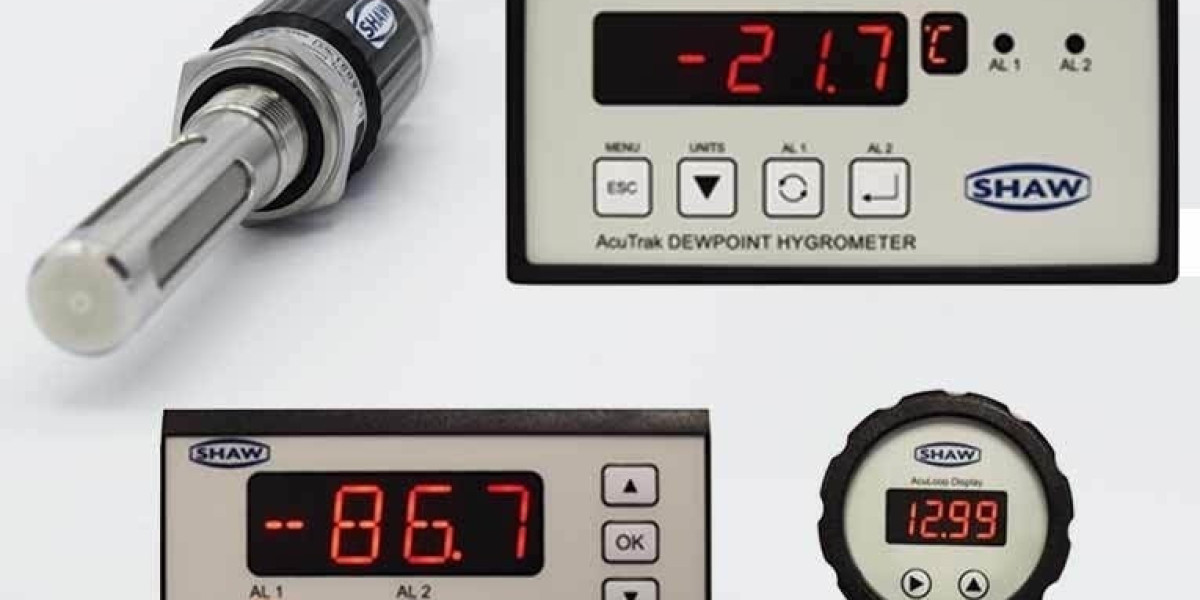
Dewpoint measurement plays a critical role in industries where moisture control directly impacts product quality, equipment lifespan, and operational efficiency. From compressed air systems and pharmaceuticals to food processing and electronics manufacturing, even small traces of moisture can cause corrosion, contamination, and costly downtime.
Understanding how dewpoint works, how it is measured, and which instruments to use allows businesses to maintain optimal environmental conditions and prevent expensive failures. This guide explains everything you need to know about dewpoint measurement, its importance, methods, and best practices.
What Is Dewpoint?
Dewpoint is the temperature at which air becomes fully saturated with water vapor and condensation begins to form. When air cools to this temperature, moisture changes from vapor into liquid droplets.
In simple terms:
- Higher dewpoint = more moisture in the air
- Lower dewpoint = drier air
For example, compressed air systems often require very low dewpoints (–40°C or lower) to prevent water buildup inside pipelines and equipment.
Why Dewpoint Measurement Is Important
Measuring dewpoint accurately is essential because moisture can lead to multiple operational problems, including:
1. Equipment Corrosion
Water vapor condenses inside pipes, causing rust and corrosion that damages air systems and machinery.
2. Product Contamination
In industries like food, pharmaceuticals, and electronics, moisture can spoil products or affect chemical stability.
3. Reduced Efficiency
Wet compressed air reduces tool performance and increases energy consumption.
4. Mold and Bacteria Growth
Excess humidity encourages microbial growth, posing health and safety risks.
By monitoring dewpoint, companies can ensure their processes stay dry, safe, and efficient.
Understanding Dewpoint vs Humidity
Many people confuse dewpoint with relative humidity, but they are different measurements.
Relative Humidity (RH)
- Percentage of moisture compared to maximum capacity
- Changes with temperature
Dewpoint
- Absolute measurement of moisture content
- Independent of temperature fluctuations
Because dewpoint gives a true picture of moisture levels, it is more reliable for industrial and scientific applications.
How Dewpoint Measurement Works
Dewpoint measurement involves detecting the temperature at which condensation occurs. Specialized instruments determine this point using sensors or cooling techniques.
There are several methods used:
Types of Dewpoint Measurement Methods
1. Chilled Mirror Method
This is the most accurate and reliable dewpoint measurement technique.
How it works:
- A mirror surface is cooled
- Moisture condenses on the mirror
- The temperature at condensation is recorded as dewpoint
Advantages:
- High precision
- Laboratory-grade accuracy
- Long-term stability
Used in:
- Calibration labs
- Research facilities
- High-accuracy industrial systems
2. Capacitive Polymer Sensors
These sensors detect moisture changes by measuring electrical capacitance variations.
Advantages:
- Affordable
- Compact
- Fast response
- Suitable for portable meters
Used in:
- Compressed air systems
- HVAC monitoring
- Field measurements
3. Aluminum Oxide Sensors
Designed specifically for very dry environments, these sensors measure trace moisture levels.
Advantages:
- Excellent for low dewpoints
- Durable
- Ideal for harsh conditions
Used in:
- Gas plants
- Petrochemical facilities
- Industrial dryers
Common Dewpoint Measuring Instruments
Portable Dewpoint Meters
Handheld devices used for quick, on-site testing and troubleshooting. Ideal for maintenance teams and field engineers.
Online Dewpoint Transmitters
Installed permanently in pipelines or systems to provide continuous monitoring and real-time alerts.
Laboratory Hygrometers
High-accuracy instruments used for research, calibration, and validation.
Choosing the right instrument depends on:
- Required accuracy
- Operating environment
- Budget
- Continuous vs spot measurement needs
Applications of Dewpoint Measurement
Dewpoint measurement is used across multiple industries:
Compressed Air Systems
Prevents condensation inside air lines that can damage tools and machinery.
Pharmaceutical Manufacturing
Maintains strict humidity control to protect sensitive formulations.
Food Processing
Stops moisture-related spoilage and ensures safety standards.
Electronics Production
Prevents static discharge and moisture damage to components.
Paint and Coating Operations
Ensures proper surface preparation and coating adhesion.
HVAC Systems
Maintains indoor comfort and prevents mold formation.
How to Choose the Right Dewpoint Meter
Selecting the right dewpoint measurement device is critical for accurate results.
Consider the following:
Measurement Range
Ensure the device covers your required dewpoint range (for example, –80°C to +20°C).
Accuracy
Industrial applications may need ±2°C, while labs may require ±0.1°C.
Response Time
Fast response helps detect sudden moisture spikes.
Durability
Choose rugged models for harsh industrial environments.
Calibration Needs
Regular calibration ensures consistent performance.
Best Practices for Accurate Dewpoint Measurement
To get reliable readings, follow these tips:
Proper Installation
Install sensors where airflow is stable and representative of the system.
Avoid Contamination
Keep sensors clean from oil, dust, or chemicals.
Allow Stabilization Time
Wait for readings to settle before recording data.
Routine Calibration
Schedule periodic calibration checks to maintain accuracy.
Check Sample Lines
Leaks or long tubing can affect readings.
Benefits of Monitoring Dewpoint Regularly
Continuous dewpoint monitoring provides several advantages:
- Prevents costly downtime
- Extends equipment life
- Improves product quality
- Saves energy
- Reduces maintenance costs
- Ensures regulatory compliance
Many companies find that investing in proper dewpoint measurement quickly pays for itself through reduced repairs and improved efficiency.
Future Trends in Dewpoint Measurement
Technology continues to improve dewpoint measurement tools. Modern systems now include:
- Digital displays
- Wireless monitoring
- Data logging
- Cloud integration
- Smart alerts
- IoT connectivity
These innovations allow real-time monitoring and predictive maintenance, helping industries operate smarter and more efficiently.
Conclusion
Dewpoint measurement is not just a technical detail — it is a critical factor in maintaining system reliability, product quality, and operational safety. Whether you manage compressed air systems, manufacturing plants, or controlled environments, understanding dewpoint and using the right measurement tools can prevent serious moisture-related problems.
By selecting the correct dewpoint meter, following best practices, and monitoring regularly, you can ensure optimal performance and long-term cost savings.