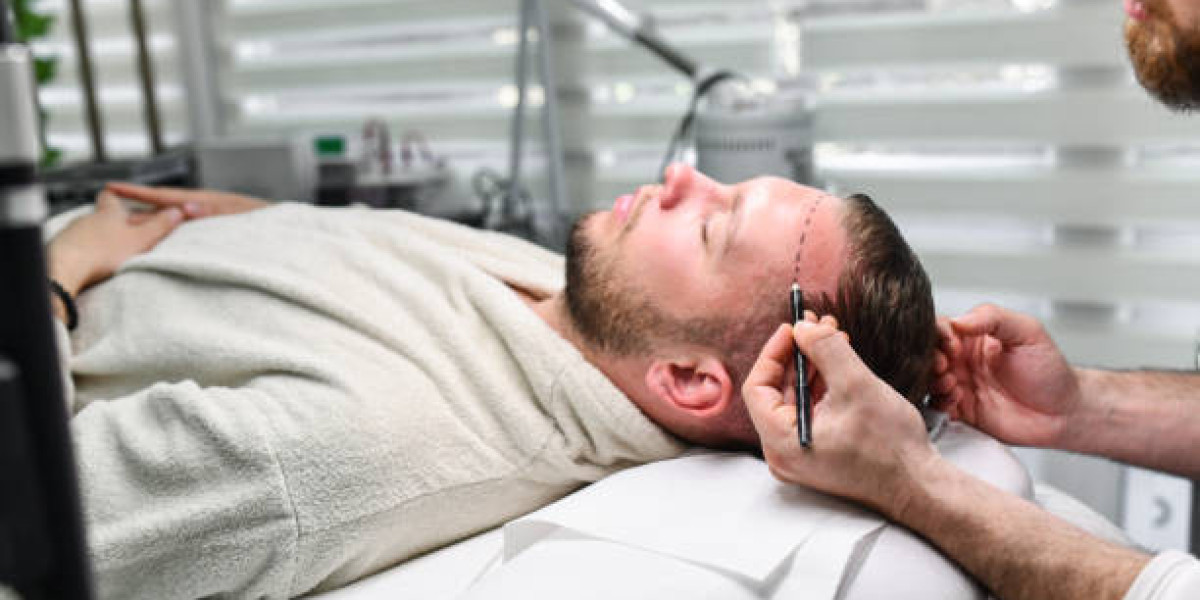
Swelling is a common concern for patients undergoing a hair transplant riyadh. Experiencing mild to moderate swelling in the forehead, scalp, or around the eyes is normal after surgery and is part of the body’s natural healing process. Understanding why swelling occurs, how long it lasts, and ways to manage it can help patients feel reassured and better prepared for recovery.
Proper post-operative care, along with knowledge about what is typical, ensures optimal graft survival, reduces discomfort, and supports a smooth healing process after your Hair transplant in Riyadh procedure.
Why Swelling Occurs After Hair Transplant
Swelling, medically referred to as edema, is a normal response to surgical trauma.
Causes of Swelling
Localized inflammation from follicle extraction and implantation
Fluid accumulation in tissues around the forehead and eyes
Body’s natural response to surgery and minor trauma to scalp blood vessels
This swelling is usually temporary and resolves naturally as healing progresses.
Common Areas Affected
Forehead
Upper eyelids and around the eyes
Scalp surrounding donor and recipient areas
The intensity and location of swelling may vary depending on individual healing response and number of grafts transplanted.
Typical Timeline of Swelling
Swelling follows a predictable pattern in most patients.
First 1–3 Days
Mild to moderate swelling may appear on the forehead and around the eyes
Usually most noticeable on the second or third day post-surgery
Days 4–7
Swelling gradually decreases
Scalp may feel tender but less puffy
After 7–10 Days
Swelling typically resolves completely
Any remaining puffiness is minimal and rare
If swelling persists beyond two weeks or is accompanied by pain, redness, or discharge, patients should consult their surgeon.
How to Manage Swelling
Proper care can reduce swelling and support healing.
Head Elevation
Sleep with head elevated using pillows for the first 3–5 nights
Prevents fluid from accumulating in the forehead and eye area
Ice Packs
Apply ice packs gently to the forehead (avoid direct contact with grafts)
Helps reduce inflammation and discomfort
Medication
Take prescribed anti-inflammatory or pain medications as directed
Avoid over-the-counter blood thinners unless approved by your surgeon
Hydration and Nutrition
Drink plenty of water to support tissue recovery
Maintain a balanced diet rich in protein and vitamins to promote healing
When Swelling Might Be a Concern
While mild swelling is normal, some signs require medical attention.
Warning Signs
Excessive or worsening swelling after the first week
Severe pain or tenderness
Redness, heat, or discharge indicating possible infection
Early consultation ensures complications are addressed promptly and safely.
Reducing Swelling Before Surgery
Pre-operative preparation can also minimize post-op swelling.
Tips
Avoid alcohol and smoking a few days before surgery
Maintain a balanced diet and stay hydrated
Follow your surgeon’s instructions regarding medications
Proper preparation can lead to a smoother recovery with less discomfort.
Why Understanding Swelling Matters
Knowing that swelling is normal helps patients:
Manage expectations for the first week of recovery
Reduce anxiety about temporary changes in appearance
Focus on following post-op care instructions for optimal results
Swelling is a natural and temporary part of the healing process, and most patients experience full resolution within a week to ten days after a Hair transplant in Riyadh.
Book Your Consultation Today
Understanding post-operative swelling is essential for a comfortable recovery. Schedule a consultation at Royal Clinic Saudia to receive expert guidance, personalized care instructions, and professional support for a safe, smooth, and successful hair restoration experience.
FAQs:
Is Swelling Normal After Hair Transplant?
Yes, mild to moderate swelling in the forehead, scalp, or around the eyes is a normal part of healing.
How Long Does Swelling Last?
Swelling typically appears within 1–3 days, peaks around day 2–3, and resolves completely within 7–10 days.
How Can I Reduce Swelling?
Sleep with head elevated, apply ice packs to the forehead (avoiding grafts), stay hydrated, and take prescribed anti-inflammatory medications.
When Should I Contact My Surgeon About Swelling?
Seek medical advice if swelling worsens after a week, is accompanied by severe pain, redness, or discharge, which may indicate infection.