The landscape of investing has undergone a remarkable transformation in recent years. Traditional investment avenues stocks, bonds, and real estate have long been dominated by centralized intermediaries, high entry barriers, and limited liquidity. However, the rise of blockchain technology has introduced a revolutionary concept: real-world asset tokenization. By converting physical assets into digital tokens on a blockchain, investors now have the opportunity to access previously illiquid markets, diversify portfolios more efficiently, and participate in fractional ownership of high-value assets. This evolution is not just technological it is reshaping the very fabric of modern investment strategies.
Understanding Real-World Asset Tokenization
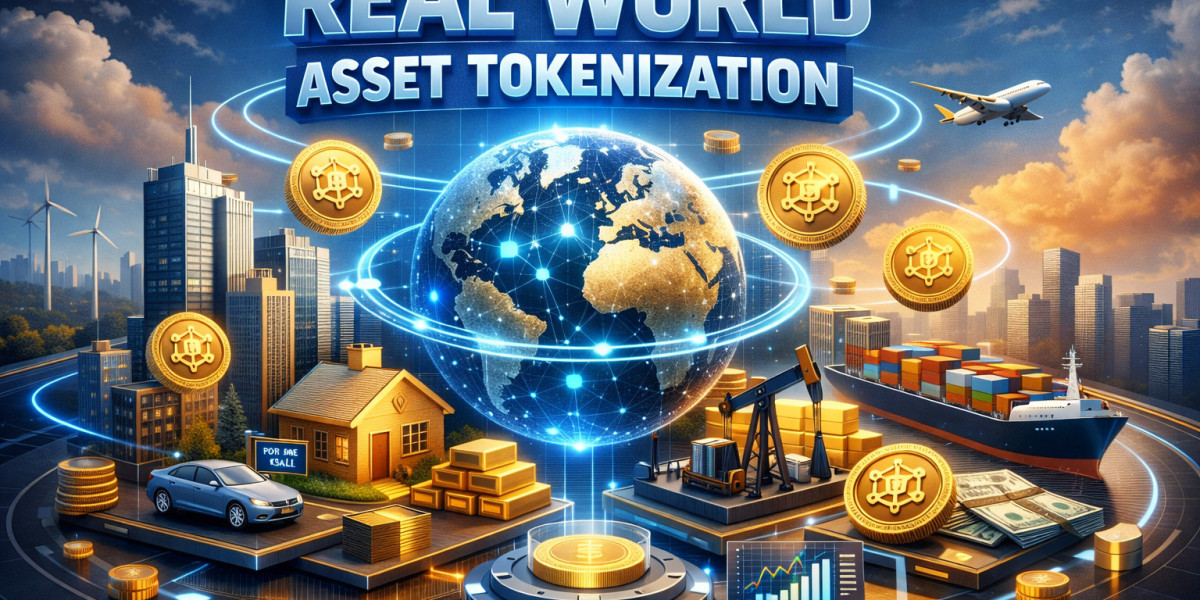
At its core, real-world asset tokenization involves representing tangible assets such as real estate, commodities, art, or even intellectual property as blockchain-based digital tokens. These tokens encapsulate ownership rights, value, and legal claims, enabling them to be bought, sold, or traded on digital platforms. Unlike conventional securities, these tokenized assets can be divided into smaller fractions, allowing investors to participate with lower capital requirements while still maintaining proportional ownership.
The process typically starts with the identification and valuation of the underlying asset. Legal frameworks are applied to ensure ownership verification and compliance with regulatory standards. Following this, the asset is digitally represented through a token, often governed by a smart contract, which defines its ownership rights, transferability, and revenue distribution mechanisms. This integration of legal and technological protocols creates a bridge between the tangible and digital worlds, effectively bringing physical assets onto the blockchain.
Benefits of Tokenizing Physical Assets
Enhanced Liquidity
One of the most significant advantages of real-world asset tokenization is enhanced liquidity. Traditional markets for assets like real estate or fine art are notoriously illiquid, often requiring months or years to buy or sell. Tokenization transforms these assets into tradeable digital units that can be exchanged on blockchain platforms, significantly reducing transaction times and broadening the pool of potential investors.
Fractional Ownership
High-value assets have historically been accessible only to institutional investors or wealthy individuals. Tokenization introduces fractional ownership, allowing smaller investors to acquire portions of an asset. For instance, a multi-million-dollar commercial property can be divided into thousands of tokens, each representing a fraction of ownership. This democratization of investment opens new avenues for diversification and risk management.
Global Market Access
Blockchain technology inherently transcends geographical barriers. Tokenized assets can be offered to investors worldwide, subject to compliance with local regulations. This global access expands the investor base, increases competition, and can potentially drive higher valuations for the underlying assets. Moreover, it provides an inclusive investment environment where small and medium-sized investors can access markets traditionally reserved for large capital holders.
Transparency and Security
The use of blockchain technology ensures a high degree of transparency and security. Each token transaction is immutably recorded on the blockchain, reducing the risk of fraud and manipulation. Investors can verify ownership history, track asset performance, and monitor the distribution of dividends or rental income. Smart contracts further automate and enforce agreed-upon terms, minimizing disputes and ensuring timely execution of obligations.
Key Use Cases of Real-World Asset Tokenization
Real Estate Tokenization
Real estate is one of the most prominent sectors benefiting from tokenization. By digitizing property ownership, developers can raise funds more efficiently, and investors can participate in high-value real estate markets without the complexities of full ownership. Tokenized real estate can include residential, commercial, or industrial properties, with tokens representing shares in rental income or capital appreciation.
Art and Collectibles
The art market is another area where tokenization is making a significant impact. High-value artworks and collectibles can be tokenized, allowing investors to own a fraction of a masterpiece. This not only increases liquidity in the art market but also enables wider access for collectors and investors who might otherwise be priced out of traditional auctions.
Commodities and Natural Resources
Physical commodities such as gold, oil, and rare minerals are increasingly being tokenized. Each token represents a specific quantity of the underlying commodity, providing investors with an efficient and secure way to trade these assets. Tokenized commodities reduce storage and transportation costs while increasing market accessibility and trading frequency.
Intellectual Property and Royalties
Intellectual property, including patents, music rights, and royalties, can also be tokenized. Tokens can represent a share in future income streams generated by these assets, enabling creators to access capital while offering investors a new form of income-generating asset. This model bridges the gap between creators and investors in a transparent and legally enforceable manner.
Regulatory Considerations
While the potential of real-world asset tokenization is enormous, it must navigate a complex regulatory landscape. Different jurisdictions have varying rules regarding securities, digital assets, and property rights. Compliance with anti-money laundering (AML) and know-your-customer (KYC) regulations is critical to ensure legal enforceability. Token issuers often collaborate with legal advisors and regulatory authorities to design compliant frameworks, striking a balance between innovation and legal security.
Governments and regulators are gradually adapting to these innovations, recognizing the benefits of tokenized assets while seeking to protect investors. For example, in the European Union, the Markets in Crypto-Assets (MiCA) framework aims to regulate digital assets, providing clearer guidelines for tokenization projects. In the United States, the Securities and Exchange Commission (SEC) evaluates tokenized assets under securities law, emphasizing investor protection and transparency.
Technological Infrastructure for Tokenization
The backbone of real-world asset tokenization is blockchain technology. Several blockchain platforms offer specialized infrastructure for asset tokenization, supporting features such as token issuance, smart contract execution, and secure trading. These platforms include Ethereum, Binance Smart Chain, and specialized tokenization networks like Polymath and Securitize.
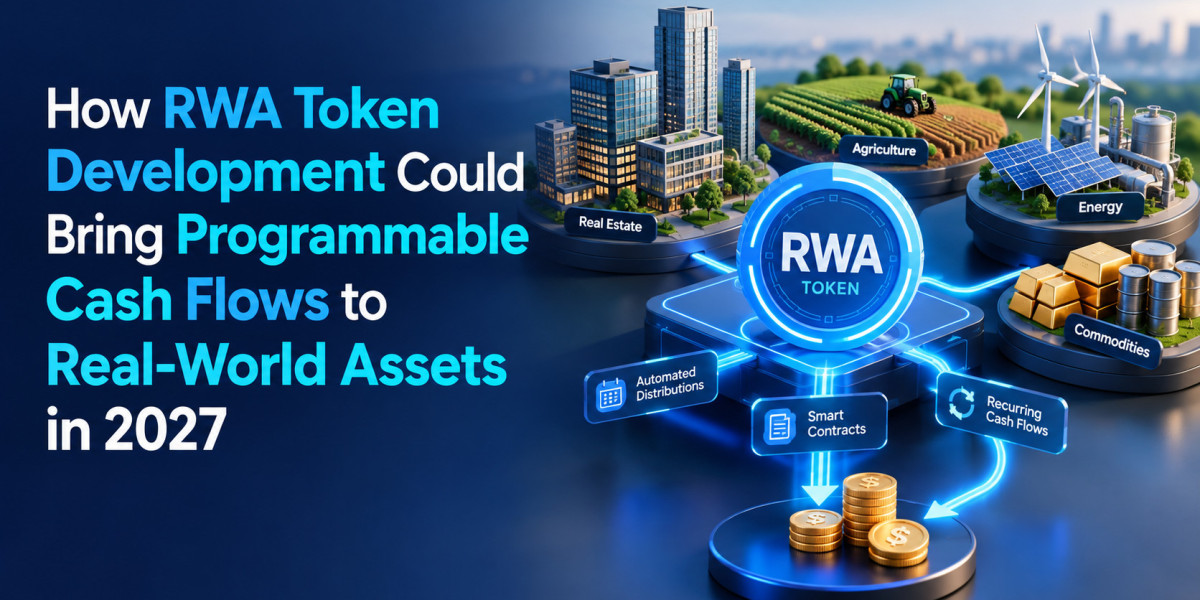
Smart contracts play a crucial role in automating transactions, enforcing ownership rights, and distributing revenue. For example, in tokenized real estate, smart contracts can automatically distribute rental income to token holders based on their ownership share. These automated processes reduce administrative costs, increase efficiency, and provide investors with real-time access to their returns.
Interoperability across blockchain networks is another key consideration. Cross-chain solutions enable tokenized assets to be transferred or traded across different blockchains, enhancing liquidity and expanding market access. This is particularly relevant for institutional investors seeking diversified exposure across multiple asset classes and regions.
Challenges and Limitations
Despite its advantages, real-world asset tokenization faces several challenges. Regulatory uncertainty remains a major hurdle, as inconsistent frameworks across jurisdictions can limit market adoption. Additionally, tokenization requires robust legal agreements to ensure that digital tokens accurately represent ownership and entitlements in the real world.
Valuation and auditing of tokenized assets also present complexities. Accurate appraisal of physical assets is critical to maintaining investor confidence, and ongoing monitoring is required to ensure the underlying assets continue to meet quality and compliance standards. Cybersecurity risks are another consideration, as digital platforms and wallets must be protected against hacking and fraud.
Market education is equally important. Investors must understand the mechanics of tokenized assets, including the risks associated with liquidity, market volatility, and platform reliability. As the market matures, standardized protocols and transparent practices will be essential to build trust and encourage widespread adoption.
The Future of Investment Through Tokenization
The future of investment is increasingly digital, and real-world asset tokenization is poised to play a central role in this evolution. By bridging the gap between tangible assets and blockchain-based finance, tokenization offers a pathway for more inclusive, transparent, and efficient investment strategies. As regulatory clarity improves and technological infrastructure matures, tokenized assets are likely to become a mainstream investment vehicle.
We can anticipate the growth of decentralized marketplaces where tokenized assets are traded seamlessly, fractional ownership is standard practice, and global investors have equal access to diverse asset classes. Traditional financial institutions may also integrate tokenization into their offerings, combining the benefits of blockchain with established trust and security frameworks.
Moreover, tokenization enables innovative investment products such as asset-backed tokens, tokenized real estate investment trusts (REITs), and hybrid models combining digital and physical asset exposure. These instruments can enhance portfolio diversification, provide new income streams, and offer liquidity solutions for previously illiquid markets.
Conclusion
Real-world asset tokenization is redefining the investment landscape. By converting physical assets into digital tokens, it creates new pathways for liquidity, fractional ownership, and global market access. From real estate and art to commodities and intellectual property, tokenization democratizes investment opportunities, making high-value assets accessible to a broader audience. While regulatory and technical challenges exist, the potential benefits for investors and creators are substantial.
As blockchain technology continues to evolve, tokenization will likely become an integral component of modern financial systems. Investors who embrace this shift can gain access to previously unreachable assets, participate in innovative markets, and enjoy a more flexible, transparent, and efficient investment experience. From physical to digital, real-world asset tokenization is not just a technological innovation it is a new frontier for wealth creation, portfolio diversification, and inclusive investment opportunities.