
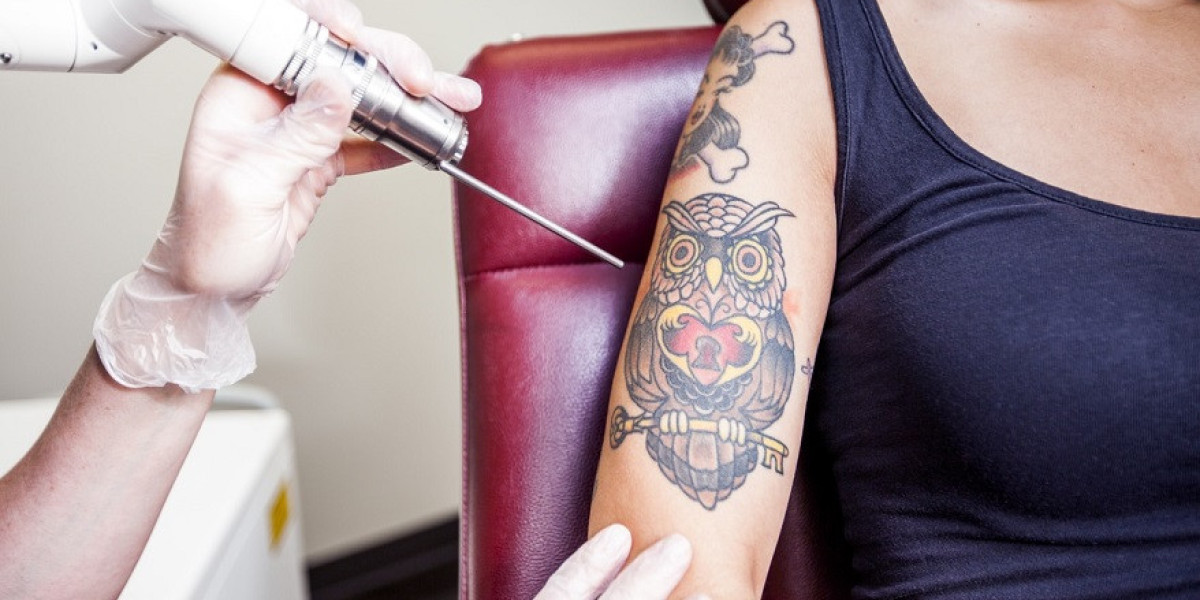
Laser Tattoo Removal Treatment is performed by using focused laser energy to break tattoo ink into smaller particles beneath the skin. The body gradually clears these particles through its natural immune and lymphatic processes, causing the tattoo to fade over time. The procedure is generally non-surgical and does not require cutting out the tattooed skin. People considering إزالة الوشم بالليزر في دبي should consult a qualified professional to understand the treatment process, expected results, possible risks, and aftercare requirements.
Initial Consultation And Tattoo Assessment:
The treatment usually begins with a consultation and examination of the tattoo. The professional reviews the patient’s medical history, skin type, allergies, previous laser treatments, and healing history.
The tattoo is assessed according to:
- Size and shape
- Ink colour
- Ink depth
- Tattoo age
- Body location
- Ink density and composition
- Previous removal attempts
- Skin tone and sensitivity
These details help determine the appropriate laser technology and treatment settings. Different ink colours absorb different laser wavelengths, so a multicoloured tattoo may require more than one type of laser.
A test spot may be recommended before the full treatment. This allows the professional to observe how the skin responds and identify possible pigmentation or irritation risks.
Preparing The Treatment Area:
Before the laser is applied, the treatment area is cleaned and checked for signs of infection, irritation, open wounds, or sunburn. Treatment may be delayed if the skin is not healthy enough to heal properly.
Protective eyewear is provided to the patient and professional. Eye protection is essential because laser energy can cause serious eye injury.
Depending on the tattoo’s size, location, and the patient’s sensitivity, the professional may use cooling equipment, cold air, or a topical numbing cream. These methods can help reduce discomfort during the procedure.
Marking And Dividing The Tattoo:
Some tattoos may be outlined with a skin-safe marker before treatment. Marking can help identify the tattoo’s boundaries and make it easier to treat the area evenly.
Large tattoos may be divided into smaller sections, particularly when the design is complex or contains several ink colours. This allows the professional to work in an organised way and monitor the skin’s response.
Small tattoos with clear edges may not require marking. The decision depends on the tattoo and the provider’s treatment method.
Applying Controlled Laser Pulses:
During the session, the professional places the laser handpiece over the tattoo and delivers short pulses of focused energy. The tattoo pigment absorbs the energy, causing the ink particles to fragment into smaller pieces.
The laser is selected and adjusted according to the tattoo’s characteristics and the patient’s skin type. The surrounding skin is treated carefully to reduce unnecessary damage.
Patients may feel snapping, stinging, warmth, or a rubber-band-like sensation. The level of discomfort varies according to the tattoo’s location, size, ink density, and individual sensitivity.
The actual laser application may take only a few minutes for a small tattoo. Larger or multicoloured tattoos may require more time.
What Happens To The Ink?
Laser treatment does not usually remove the tattoo immediately. Instead, it breaks the pigment into smaller particles that the body can gradually process.
Immune cells called macrophages may absorb some of the fragmented ink. Other particles may be transported through the lymphatic system and cleared over time.
The tattoo may appear darker, lighter, redder, or temporarily different immediately after treatment. Visible fading generally develops over the following weeks as the body removes the fragmented pigment.
Cooling And Immediate Skin Reactions:
Cooling may be applied during or after treatment to soothe the skin and reduce discomfort. The treated area may become red, swollen, warm, or sensitive.
Some patients may experience a temporary frosted appearance, small blisters, pinpoint bleeding, or crusting. These reactions depend on the laser settings, tattoo characteristics, skin tone, and individual response.
The professional should explain which reactions are expected and which symptoms require medical attention.
Aftercare Instructions:
After the session, the provider gives instructions to support healing and reduce the risk of infection, scarring, and pigmentation changes.
Patients may be advised to:
- Keep the treated area clean and protected.
- Avoid scratching, rubbing, or picking the skin.
- Do not remove blisters or crusts.
- Use recommended ointments or dressings.
- Avoid swimming until the area has healed.
- Protect the skin from direct sunlight.
- Follow instructions about sunscreen.
- Avoid strong exfoliants and irritating skincare products.
Patients should not apply harsh chemicals, bleaching products, or unapproved home remedies to the treated area.
How Long Does Recovery Take?
Recovery depends on the tattoo size, treatment intensity, body location, skin type, and individual healing response. Mild redness, swelling, warmth, or tenderness may settle within a few days.
Blisters, crusts, or temporary pigmentation changes may take longer to resolve. Patients should allow the skin to heal before receiving another session.
Increasing pain, spreading redness, pus, fever, severe swelling, or other unusual symptoms should be reported to a healthcare professional promptly.
How Many Sessions Are Required?
Most tattoos require multiple treatment sessions. The laser can fragment the ink, but the body needs time to clear the particles and the skin needs time to recover.
The number of sessions depends on the tattoo’s colour, size, depth, age, location, ink composition, and individual response. Black and dark-coloured tattoos may respond differently from green, red, yellow, or cosmetic pigments.
Complete removal is not guaranteed. Some tattoos may leave faint pigment, ghosting, or changes in skin colour or texture.
Is Laser Tattoo Removal Suitable For Everyone?
Laser tattoo removal may be suitable for many people, but it is not appropriate for every tattoo or skin condition. Additional caution may be needed for people with darker skin tones, active skin disorders, a history of keloid scarring, poor wound healing, or previous reactions to laser treatment.
Patients should tell the provider about medications, allergies, pregnancy, recent tanning, and medical conditions that may affect healing or skin sensitivity.
Frequently Asked Questions:
Is Laser Tattoo Removal Treatment surgical?
No. It is generally a non-surgical treatment that uses laser energy without cutting out the tattooed skin or requiring stitches.
Does the treatment hurt?
Some discomfort is common, including snapping, stinging, warmth, or brief irritation. Cooling and suitable numbing methods may help improve comfort.
How long does one session take?
Small tattoos may take only a few minutes, while larger or multicoloured tattoos may require more time. Consultation and aftercare can increase the total appointment length.
Does the tattoo disappear immediately?
No. The laser fragments the ink, and the body gradually clears the particles over several weeks.
Can every tattoo be removed completely?
No. Some tattoos respond well, while others may only fade partially. Results depend on ink colour, depth, tattoo size, skin type, and individual response.
Conclusion:
During Laser Tattoo Removal Treatment, the professional assesses the tattoo, prepares the skin, applies controlled laser pulses, and provides cooling and aftercare guidance. The laser breaks tattoo ink into smaller particles, which the body gradually clears over time. Temporary redness, swelling, blistering, or crusting may occur, and multiple sessions are commonly required. Professional assessment, suitable laser settings, adequate healing time, and careful aftercare help support safer treatment and gradual tattoo fading.





