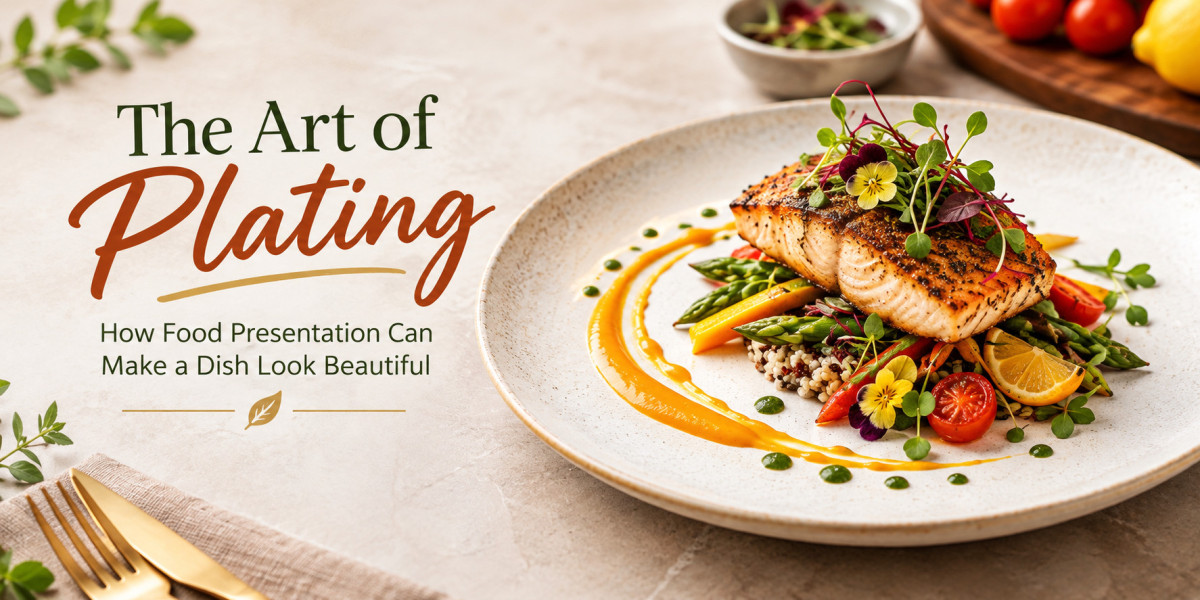
We often see a meal before we taste it. The colors on the plate, the arrangement of ingredients, the textures, and even the space between different elements can influence how appealing a dish looks. This is the art of plating turning a meal into a visual experience while still keeping the food practical and enjoyable to eat.
Good plating does not necessarily mean complicated decorations or elaborate restaurant techniques. Simple choices, such as placing ingredients thoughtfully, adding natural color, and keeping the plate balanced, can make everyday food look more inviting.
What Makes Food Presentation Appealing?
Beautiful plating is usually based on a few simple principles. The goal is to make the food look balanced without taking away from its natural character.
Create a Focal Point
A well-plated dish usually has one main element that catches attention first. It could be a curry, grilled preparation, dumplings, rice, or another specialty.
Supporting ingredients can then be arranged around the main item rather than spread randomly across the plate. This gives the dish a clear visual structure and makes each component easier to appreciate.
Use Natural Colors
Color is one of the easiest ways to make food more visually appealing. Fresh herbs, colorful vegetables, sauces, chutneys, and spices can create contrast naturally.
For example, vibrant green herbs can brighten a rich curry, while colorful vegetables can add freshness to a plate of rice or noodles. Using ingredients that already belong to the dish keeps the presentation authentic.
Combine Different Textures
Texture is another important part of plating. A dish can become more interesting when soft, crisp, creamy, steamed, or grilled elements are presented together.
The visual contrast between these ingredients gives diners an idea of what to expect before they take their first bite.
Leave Some Empty Space
A plate does not need to be completely filled to look generous. Leaving a little empty space around the food can actually make the main ingredients stand out.
Instead of overcrowding the plate, give each major component enough room to remain recognizable. This creates a cleaner and more balanced appearance.
Himalayan Cuisine Plating Ideas
Himalayan cuisine offers plenty of natural opportunities for attractive food presentation. Dumplings, soups, curries, rice, breads, vegetables, and chutneys all bring different shapes, colors, and textures to the table.
The presentation can highlight these characteristics while maintaining the traditional identity of the food.
Presenting Momos
Momos can make an attractive centerpiece because of their distinctive folded shapes. Steamed momos can be arranged in a circular pattern, a neat row, or a small cluster.
A serving of chili chutney or dipping sauce can be placed beside them rather than covering the dumplings. Fresh herbs or sliced vegetables can add a small amount of contrasting color.
For jhol momos, the sauce itself becomes part of the presentation. Serving the dumplings in a shallow bowl with the flavorful jhol surrounding them allows both the momo shapes and rich sauce to remain visible.
Making Thukpa Visually Inviting
Thukpa is traditionally served as a comforting bowl of noodles, broth, vegetables, and other ingredients. Its presentation can emphasize the variety of ingredients rather than hiding everything beneath the broth.
Noodles can form the base while vegetables and fresh herbs are arranged toward the top. Different colors become more noticeable when the ingredients are positioned thoughtfully.
A deep bowl also adds to the presentation by creating layers and giving the dish a warm, generous appearance.
Plating Curries With Rice and Naan
Curries, rice, and naan can be presented as separate but complementary components.
Rice can be shaped neatly on one side of the plate, while the curry is served alongside it. Naan can be positioned at an angle so that it remains visible without covering the other food.
Fresh herbs can provide a finishing touch, while chutneys or accompaniments can be served in small portions to add color and variety.
Creating an Appealing Thali
A thali naturally creates visual interest because several dishes are served together.
Small bowls can hold different curries, dal, chutneys, or accompaniments, while rice and bread fill the remaining areas. The combination of colors and textures makes the meal visually diverse.
The key is organization. Keeping each component separate allows diners to identify what they are eating while appreciating the variety on the plate.
Why Plating Matters to the Dining Experience
Food presentation can influence more than just appearance. A thoughtfully arranged dish can create anticipation and make diners more curious about the ingredients.
It can also help communicate the character of a cuisine. Traditional dishes do not need to be transformed into elaborate modern creations to look appealing. Their natural colors, shapes, sauces, and ingredients can often provide everything needed for an attractive presentation.
For Himalayan cuisine in particular, the combination of dumplings, curries, soups, rice, breads, herbs, and chutneys creates plenty of visual variety without losing its traditional feel.
Where to Experience Authentic Himalayan Cuisine in Richardson
For those interested in experiencing Himalayan flavors firsthand, exploring Indian restaurants in Richardson can be a good starting point.
Rather than choosing a meal based only on one familiar dish, consider trying a combination of specialties. Sharing momos, a curry, rice or naan, and a soup such as thukpa can introduce you to different textures, flavors, and presentation styles in one dining experience.
You can also ask the restaurant staff about traditional specialties or dishes that may be less familiar. This can help you discover new flavors while learning more about the culinary traditions behind them.
When the food arrives, take a moment to notice how each dish is presented. The arrangement of dumplings, the color of chutneys, the way herbs are used, and the combination of curry with rice or bread can all show how presentation contributes to the overall dining experience.
Final Thoughts
The art of plating demonstrates that beautiful food does not have to be complicated. Balance, color, texture, arrangement, and thoughtful use of space can make a simple meal look more inviting.
Himalayan cuisine naturally provides many of these elements, from carefully folded momos and colorful chutneys to comforting bowls of thukpa and traditional combinations of curries, rice, and bread.
When presentation works together with authentic flavors and traditional ingredients, eating becomes more than satisfying hunger it becomes a complete experience for the eyes as well as the palate.