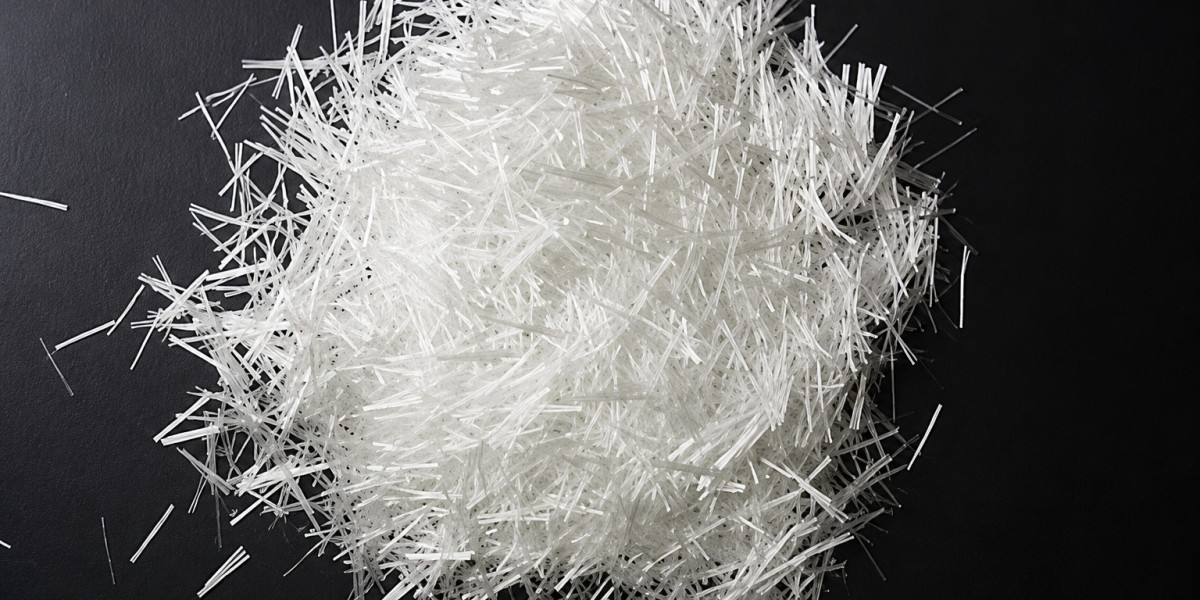
If you are wondering what is fiberglass, it is a strong, lightweight material made from very fine strands of glass. These tiny glass fibers can be combined with different resins to create a durable composite material that is useful in construction, transportation, manufacturing, insulation, marine products, and many other industries. Fiberglass is valued because it offers a useful balance of strength, low weight, resistance to corrosion, and flexibility in manufacturing. Although it is made from glass, fiberglass behaves differently from ordinary glass because its structure consists of thin fibers that can be arranged and combined in different ways.
What Is Fiberglass?
Fiberglass is a material produced by drawing molten glass into extremely fine fibers. These fibers can be used on their own for insulation or combined with a polymer resin to create a fiberglass-reinforced composite. The fibers provide strength, while the resin holds them together and helps form the final shape. This combination makes fiberglass useful for products that need to be strong without being excessively heavy.
The term fiberglass can refer to the glass fibers themselves as well as composite products made by combining those fibers with resin. Depending on the manufacturing process and intended application, fiberglass can appear as woven fabric, chopped strands, mats, sheets, panels, or molded products. Its versatility is one of the main reasons it has become an important material in modern manufacturing.
How Is Fiberglass Made?
Fiberglass begins with glass materials that are heated until they become molten. The molten glass is then passed through very small openings to create thin continuous strands. These strands cool and form glass fibers that can be collected and processed according to their intended use. Manufacturers may arrange the fibers into fabrics, mats, or other forms before combining them with a suitable resin.
For composite fiberglass products, the glass fibers are mixed or reinforced with a resin material. The resin surrounds the fibers and bonds them together. During curing, the resin becomes solid and creates a rigid structure. The final material can then be shaped, cut, finished, or molded for a particular application. The type of glass, fiber arrangement, resin, and manufacturing method can all affect the performance of the finished fiberglass product.
What Is Fiberglass Made Of?
Fiberglass is primarily made from glass, but its exact composition can vary depending on the type of fiberglass being produced. Glass contains materials such as silica along with other mineral components that help give it the required properties. When glass is converted into extremely fine fibers, it becomes suitable for reinforcement and insulation applications.
When fiberglass is used as a composite, another important component is resin. Common resin systems include polyester, vinyl ester, and epoxy resins. The resin gives the material its shape and binds the fibers together, while the glass fibers provide much of the mechanical strength. Different combinations are selected depending on whether the finished product needs to resist moisture, chemicals, heat, impact, or mechanical stress.
Why Is Fiberglass So Strong?
Fiberglass can be strong because its thin glass fibers are capable of carrying significant loads when they are properly arranged and supported by resin. The fibers can be positioned in directions where strength is needed most. This allows manufacturers to create composite materials with specific performance characteristics.
The strength of fiberglass does not come simply from the presence of glass. The orientation of the fibers, the type of resin, the manufacturing method, and the quality of the finished product all influence its performance. Properly designed fiberglass composites can provide excellent strength while remaining much lighter than many traditional materials.
Is Fiberglass Lightweight?
One of the most useful characteristics of fiberglass is its relatively low weight compared with many conventional materials that provide similar structural performance. This makes it attractive for applications where reducing weight can improve handling, transportation, installation, or overall efficiency.
Fiberglass products can be designed to provide strength without requiring a very heavy structure. This is particularly useful in boats, vehicles, equipment housings, panels, and other products where weight is an important consideration. The combination of strength and low weight is one of the main reasons fiberglass remains popular across many industries.
What Are the Main Properties of Fiberglass?
Fiberglass has several properties that make it useful for different applications. It can provide good mechanical strength, relatively low weight, electrical insulation, resistance to corrosion, and dimensional stability. It can also be manufactured into different shapes and forms, which makes it suitable for both simple and complex products.
Another important property is its resistance to many environmental conditions. Unlike some metals, fiberglass does not rust. Properly selected fiberglass composites can also withstand exposure to moisture and various chemicals. However, performance depends on the specific resin and manufacturing process, so not every fiberglass product has the same level of resistance.
Where Is Fiberglass Used?
Fiberglass is used in many industries because it can be manufactured for different purposes. In construction, it can be found in insulation, roofing products, panels, pipes, tanks, and reinforced structures. In the transportation industry, fiberglass composites can be used for vehicle components, body panels, interior parts, and other lightweight structures.
The marine industry also makes extensive use of fiberglass. Boats and other watercraft can be constructed from fiberglass composites because the material is lightweight and resistant to moisture and corrosion. Fiberglass is also used in sporting equipment, electrical products, storage tanks, industrial components, and decorative products.
Fiberglass in Construction
Fiberglass has an important role in the construction industry. Fiberglass insulation is commonly used to help reduce heat transfer through walls, ceilings, roofs, and other parts of buildings. It can help improve indoor comfort and reduce the amount of energy needed for heating or cooling when properly installed.
Fiberglass can also be used to create structural and architectural products. Fiberglass-reinforced materials may be used for panels, pipes, tanks, reinforcement systems, and other construction components. Its resistance to corrosion can be especially valuable in environments where moisture or chemicals could damage conventional materials.
Fiberglass for Insulation
Fiberglass insulation consists of fine glass fibers that trap pockets of air. This structure reduces the movement of heat through the insulation material. Because of this property, fiberglass is widely used in residential, commercial, and industrial buildings.
Proper installation is important because gaps, compression, moisture, or poor coverage can reduce insulation performance. Fiberglass insulation can come in different forms, including rolls, batts, and loose-fill materials. The appropriate form depends on the building design and the area being insulated.
Is Fiberglass Waterproof?
Fiberglass itself does not absorb water in the same way that some porous materials do, and many fiberglass composites have good resistance to moisture. However, saying that every fiberglass product is completely waterproof would be inaccurate. Water resistance depends on the resin system, surface treatment, construction quality, joints, and the environment in which the product is used.
Fiberglass products designed for marine, industrial, or outdoor applications can be manufactured to provide strong moisture resistance. However, damage, cracks, poor sealing, or degraded resin can allow water to reach areas that were intended to remain protected. Proper design and maintenance are therefore important.
Is Fiberglass Resistant to Corrosion?
Fiberglass composites are well known for their resistance to corrosion. This is a major advantage over many metal materials, particularly in environments where moisture, salt, or chemicals are present. Fiberglass does not rust like iron or steel, making it useful for pipes, tanks, marine structures, and industrial equipment.
The level of chemical resistance depends heavily on the resin used in the composite. A fiberglass product designed for one chemical environment may not be suitable for another. Manufacturers therefore select resin systems based on the conditions the product is expected to face.
What Are the Benefits of Fiberglass?
Fiberglass offers several important benefits. It can provide good strength while keeping weight relatively low, which can make products easier to transport and install. It is also resistant to rust and many forms of corrosion, making it useful in demanding environments.
Another benefit is manufacturing flexibility. Fiberglass can be produced as fabric, mat, insulation, sheets, pipes, panels, and molded components. It can also be combined with different resin systems to achieve specific performance characteristics. This flexibility allows engineers and manufacturers to use fiberglass for a wide range of products.
Fiberglass can also provide useful electrical insulation properties. This makes it suitable for certain electrical and industrial applications where a nonconductive material is preferred. Its combination of mechanical and electrical properties gives it advantages that are difficult to achieve with some traditional materials.
What Are the Disadvantages of Fiberglass?
Although fiberglass has many advantages, it also has limitations. Some fiberglass composites can be damaged by strong impacts, especially when they are not designed for heavy impact conditions. Surface damage may also expose fibers or affect the protective resin layer.
Fiberglass can also be difficult to repair invisibly because repairs may require sanding, resin, reinforcement material, and careful finishing. Workers handling fiberglass materials must also use appropriate protective equipment because loose fibers can irritate the skin, eyes, and respiratory system.
Another consideration is heat resistance. Fiberglass can perform well under many conditions, but the resin used in a composite may have temperature limitations. High temperatures can affect the resin even when the glass fibers themselves remain stable.
Is Fiberglass Safe?
Fiberglass products can be used safely when they are handled, installed, and maintained correctly. The main concern during handling is exposure to small fibers that can cause temporary irritation to the skin, eyes, or respiratory system. This is particularly relevant when fiberglass insulation is being cut, moved, or installed.
Protective clothing, gloves, eye protection, and suitable respiratory protection can help reduce exposure during work that produces loose fiberglass particles. Good ventilation and proper handling practices are also important. Once fiberglass is properly installed and contained within an appropriate building system or finished product, exposure is generally much lower.
How Is Fiberglass Different From Glass?
Fiberglass and ordinary glass are made from similar basic materials, but their physical forms and uses are very different. Ordinary glass is generally a solid, rigid material formed into objects such as windows, bottles, and containers. Fiberglass consists of extremely fine glass fibers that can be woven, layered, or combined with resin.
Because the fibers can be arranged and reinforced, fiberglass can be designed to provide strength and flexibility in ways that ordinary glass cannot. This makes fiberglass more suitable for composite structures and insulation applications, while traditional glass remains useful where transparency, hardness, or a smooth rigid surface is required.
Fiberglass vs Plastic
Fiberglass and plastic are sometimes compared because both can be lightweight and manufactured into different shapes. However, fiberglass-reinforced plastic contains glass fibers that improve the strength and stiffness of the polymer. Ordinary plastic does not contain these reinforcing fibers.
Fiberglass composites can therefore provide better mechanical performance than many standard plastics. At the same time, they may require more specialized manufacturing and repair techniques. The right choice depends on the intended application, required strength, weight, environmental conditions, and cost.
How Long Does Fiberglass Last?
The lifespan of fiberglass depends on the type of product, manufacturing quality, exposure conditions, maintenance, and how the material is used. Properly manufactured fiberglass products can remain functional for a long time when they are protected from conditions that could damage the resin or structure.
Outdoor exposure, ultraviolet radiation, moisture, chemicals, impact, and poor maintenance can affect the condition of a fiberglass product. Protective coatings and appropriate maintenance can help extend service life in applications where environmental exposure is significant.
How Should Fiberglass Be Maintained?
Fiberglass maintenance usually involves keeping the surface clean, checking for cracks or damage, and addressing problems before they become more serious. The exact maintenance method depends on the product and its environment.
Fiberglass structures should be inspected for surface deterioration, exposed fibers, cracks, loose sections, or other visible problems. Cleaning should be performed using methods and products that are appropriate for the specific resin and finish. Harsh chemicals or aggressive cleaning techniques can damage certain fiberglass surfaces.
Is Fiberglass Environmentally Friendly?
Fiberglass has both environmental advantages and challenges. Its durability and long service life can reduce the need for frequent replacement in some applications. Its relatively low weight can also reduce transportation demands for certain products.
However, fiberglass composites can be difficult to recycle compared with some simpler materials because glass fibers are bonded to resin. Recycling technologies are developing, but disposal and end-of-life management remain important considerations. Choosing durable products, reducing waste during manufacturing, and using appropriate recycling or disposal systems can help improve the environmental performance of fiberglass products.
Frequently Asked Questions About Fiberglass
What is fiberglass in simple words?
Fiberglass is a material made from very thin strands of glass. These strands can be used for insulation or combined with resin to create a strong and lightweight composite material. It is commonly used in construction, transportation, marine products, industrial equipment, and many other applications.
Is fiberglass stronger than steel?
Fiberglass and steel have different strengths and characteristics, so there is no simple answer that applies to every application. Fiberglass can provide an excellent strength-to-weight ratio and strong corrosion resistance, while steel can provide very high strength and stiffness. The best material depends on the specific design and operating conditions.
Can fiberglass rust?
Fiberglass does not rust because it does not contain iron like conventional steel. This resistance to rust is one of its important advantages, especially in wet or corrosive environments. However, the resin or other components of a fiberglass composite can still deteriorate under certain conditions.
Can fiberglass get wet?
Many fiberglass products have good moisture resistance, and fiberglass itself does not absorb water like some porous materials. However, the overall moisture performance depends on the product design, resin, joints, coatings, and condition of the material.
Is fiberglass easy to repair?
Fiberglass can be repaired, but the process may require specialized materials and techniques. A typical repair can involve cleaning and preparing the damaged area, applying reinforcement material and resin, allowing the repair to cure, and finishing the surface. Serious structural damage may require professional assessment.
Why is fiberglass used for insulation?
Fiberglass insulation contains fine fibers that trap air and slow the transfer of heat. This makes it useful for improving the thermal performance of walls, ceilings, roofs, and other building areas. Proper installation is important for achieving effective insulation performance.
Can fiberglass be used outdoors?
Yes, fiberglass can be used outdoors when the product is designed for outdoor conditions. Fiberglass composites can resist moisture and corrosion, but exposure to sunlight, temperature changes, chemicals, and physical damage can affect certain products. Protective finishes and suitable resin systems can improve outdoor durability.
Does fiberglass break easily?
Fiberglass does not normally break as easily as ordinary glass because it is made from flexible fibers and is often reinforced with resin. However, fiberglass composites can crack, fracture, or become damaged under excessive impact or stress. Their performance depends on the material design and application.
What is fiberglass mainly used for?
Fiberglass is mainly used for insulation, reinforced plastic products, construction materials, pipes, tanks, boats, vehicle components, electrical products, industrial equipment, and various manufactured products. Its strength, low weight, corrosion resistance, and manufacturing flexibility make it suitable for many purposes.
Conclusion
Understanding what is fiberglass helps explain why this material is used in so many modern products and industries. Fiberglass is made from extremely fine glass fibers that can be used for insulation or combined with resin to form strong composite materials. Its combination of low weight, strength, corrosion resistance, electrical insulation, and manufacturing flexibility makes it a valuable alternative to many traditional materials.
From building insulation and construction products to boats, vehicles, industrial equipment, and electrical applications, fiberglass can serve many different purposes. Its performance depends on the type of glass fiber, resin, manufacturing process, and environment in which it is used. While fiberglass has some limitations, proper design, installation, handling, and maintenance can help users get reliable performance from the material. Overall, fiberglass remains an important and versatile material because it offers a practical balance of durability, strength, weight, and resistance to challenging environments.