The best type of dental implant depends on the patient’s oral health, jawbone condition, missing tooth location, aesthetic expectations, and long-term treatment goals. For many patients, a titanium endosteal implant is the most established option because titanium is strong, biocompatible, and supported by extensive clinical experience. However, zirconia implants may be suitable for selected patients, particularly those who prefer a metal-free option. People considering زراعة الأسنان في دبي should consult a qualified dental professional before choosing an implant system. A dentist can assess the gums, jawbone, bite, and overall health before recommending the most appropriate solution.
What Are The Main Types Of Dental Implants?
Dental implants can be classified according to their material, placement, and design. The most common materials are titanium and zirconia. Implants can also be described by where they are placed in relation to the jawbone.
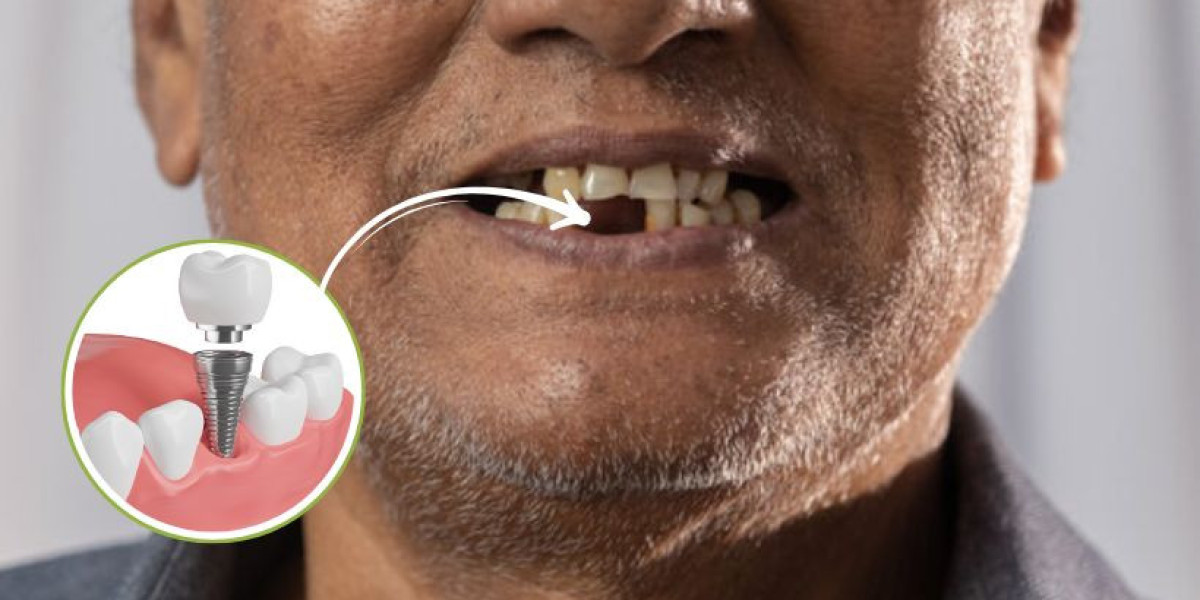
The most widely used type is the endosteal implant. It is placed directly into the jawbone and can support a single crown, a bridge, or an implant-supported denture. Other types, such as subperiosteal implants, are used less frequently and may be considered in special situations.
The best option is not necessarily the newest or most expensive implant. The dentist must choose a system that provides suitable support and can be maintained properly over time.
Are Titanium Implants The Best Option?
Titanium implants are generally considered the standard choice for many patients. Titanium has a long history of use in implant dentistry and is known for its strength, durability, and compatibility with human tissue.
When placed correctly, titanium implants can integrate with the jawbone through a process called osseointegration. This allows the implant to become a stable foundation for the replacement tooth.
Titanium implants may be suitable for:
- Single missing teeth
- Several missing teeth
- Implant-supported bridges
- Full-arch restorations
- Patients with different jawbone conditions
Clinical research has found strong long-term support for titanium implants. However, the outcome depends not only on the material but also on surgical planning, bone quality, gum health, oral hygiene, and regular dental care.
What Are Zirconia Implants?
Zirconia implants are made from a ceramic material and are sometimes called metal-free implants. Their white colour may be appealing to patients who are concerned about the appearance of the gum tissue around an implant.
Zirconia may be considered when:
- A patient prefers a metal-free restoration
- The gum tissue is thin
- The implant will be placed in a visible area
- The patient has specific aesthetic concerns
- The dentist believes the material is clinically appropriate
Zirconia implants can provide a suitable alternative in selected cases. However, they have a shorter clinical history than titanium implants, and long-term evidence is more limited. Some studies report comparable short-term outcomes, while other reviews have found lower survival rates or greater marginal bone loss with zirconia implants.
Is Zirconia Better For Front Teeth?
Zirconia may be considered for front teeth because its light colour can reduce the chance of a dark appearance showing through thin gum tissue. This may be relevant when the implant is placed in an area that is highly visible while smiling.
However, the appearance of the final result depends on more than implant material. Gum thickness, bone position, implant placement, crown design, gum contour, and the skill of the dental team also influence the aesthetic outcome.
A titanium implant with a carefully designed crown and suitable soft-tissue management may still provide an excellent result in the front of the mouth. Zirconia is not automatically better for every aesthetic case.
What Is An Endosteal Implant?
An endosteal implant is placed directly into the jawbone. It is usually made from titanium, although zirconia endosteal implants are also available.
This type of implant is commonly used because it provides a stable foundation for artificial teeth. The implant must have sufficient bone support and must be placed in a position that allows the final crown or bridge to function correctly.
If a patient has experienced bone loss, the dentist may recommend bone grafting or another preparatory procedure before implant placement. The need for additional treatment depends on the amount of bone available and the location of the missing tooth.
What Are Subperiosteal Implants?
Subperiosteal implants are positioned on top of the jawbone but beneath the gum tissue. They are less commonly used than endosteal implants and may be considered for selected patients who have insufficient bone for conventional implants.
Modern bone-grafting procedures and other implant techniques have reduced the need for subperiosteal implants in many cases. A specialist must assess the patient’s bone condition, general health, and treatment options before recommending this approach.
Subperiosteal implants are not usually the first choice for routine single-tooth replacement.
Does Implant Design Affect The Result?
Yes. Implant design can influence stability, placement, healing, and the way forces are distributed through the jawbone. Factors may include the implant’s length, width, shape, surface treatment, connection design, and thread pattern.
The dentist may select a particular design based on:
- The location of the missing tooth
- Bone height and width
- Bone density
- Bite pressure
- The planned crown or bridge
- Gum condition
- Available space between surrounding teeth
- The patient’s healing ability
A properly planned implant from a reliable system is more important than choosing a product based only on advertising or brand recognition.
What Factors Determine The Best Implant For You?
The dentist may consider several factors before recommending an implant.
Bone And Gum Health:
Healthy gums and sufficient jawbone are important for implant stability. Gum disease should be treated before implant placement, and bone grafting may be required when support is limited.
Implant Location:
Front teeth may require greater attention to appearance, while back teeth must withstand stronger chewing forces. The implant and crown should be selected according to the location.
Medical History:
Diabetes, smoking, certain medications, poor healing, and other medical conditions may affect implant treatment. The dentist should review the patient’s health before surgery.
Bite And Teeth Grinding:
Patients who clench or grind their teeth may place additional pressure on implants and crowns. A dentist may recommend protective measures or treatment for bruxism.
Oral Hygiene:
Implants require regular brushing, cleaning between teeth, professional examinations, and healthy gums. Poor hygiene can increase the risk of inflammation around the implant.
How Can You Choose The Right Implant?
Patients should ask their dentist why a particular implant material and design are being recommended. It is useful to discuss the expected benefits, possible limitations, healing time, maintenance requirements, and the type of crown that will be attached.
Patients should also ask whether additional procedures, such as bone grafting or gum treatment, are necessary. A clear treatment plan should explain the stages of care and the expected follow-up schedule.
The decision should be based on clinical evidence and individual suitability rather than choosing an implant only because it is cheaper, newer, or promoted as superior.
Frequently Asked Questions:
Which dental implant material is best?
Titanium is the most established option for many patients. Zirconia may be suitable for selected cases, particularly when a metal-free material is preferred.
Are zirconia implants safe?
Zirconia implants may be safe and effective for suitable patients, but long-term evidence is more limited than for titanium. A dentist should assess whether they are appropriate.
Are titanium implants permanent?
Titanium implants can last for many years and may remain functional for decades with proper care. However, no implant is guaranteed to last permanently.
Can zirconia implants be used for back teeth?
They may be used in selected cases, but the dentist must consider chewing forces, bone support, implant design, and the restoration required.
Does the implant brand matter?
The brand and design may matter, but correct planning, placement, maintenance, and the patient’s oral health are also important for long-term success.
Conclusion:
For many patients, a titanium endosteal implant is the best-established choice for replacing missing teeth. Zirconia implants may be appropriate for selected patients who prefer a metal-free option or have specific aesthetic concerns. The best implant depends on bone and gum health, implant location, bite forces, medical history, and the planned restoration. A qualified dental professional can assess these factors and recommend an implant system that offers suitable stability, appearance, comfort, and long-term function.