
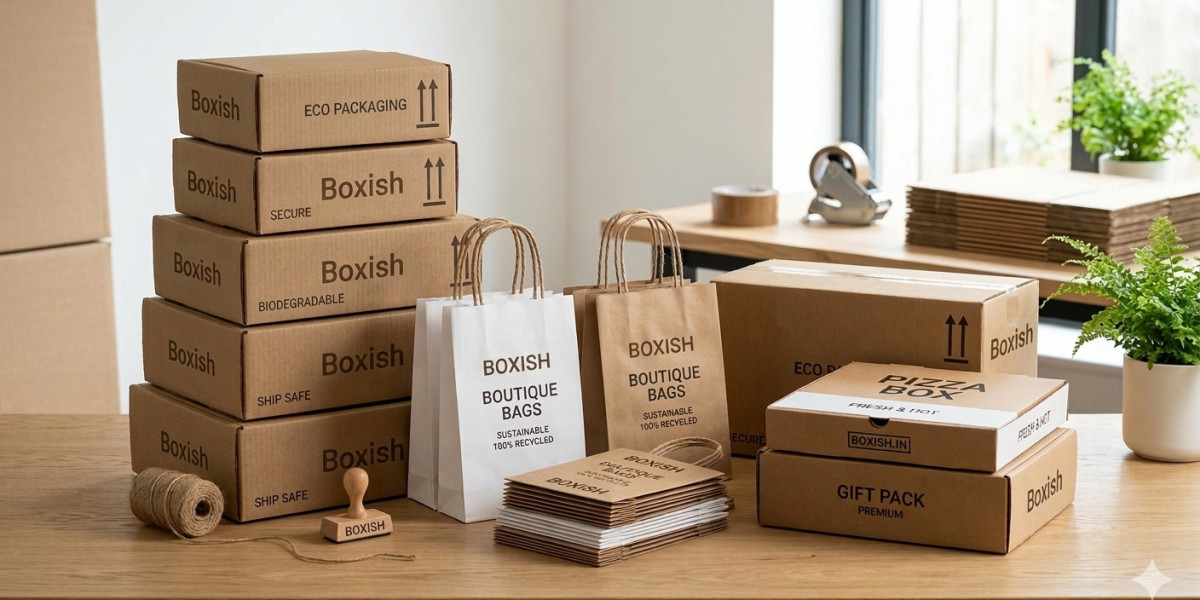
Walk through the bustling lanes of a local mandi, step into a glittering mall in Mumbai, or browse the digital storefronts of India’s booming e-commerce sector, and you will witness a quiet revolution. The familiar, crinkly sound of plastic is fading, replaced by the sturdy, earthy rustle of paper.
India is at a crossroads. With a population of over 1.4 billion, the waste we generate is monumental. For decades, the humble plastic carry bag was the symbol of convenience, but it has become a nightmare for our drainage systems, our oceans, and our wildlife. As the country rallies behind the "Swachh Bharat" (Clean India) mission and stringent bans on single-use plastics, one contender is emerging as the clear winner for the future: the paper bag.
But this isn't just about following government rules. It’s about a fundamental shift in how Indian businesses and consumers view responsibility. Here is why paper bags are not just a temporary fix, but the future of eco-friendly packaging in India.
1. The Government’s Push and the Plastic Ban
The biggest catalyst for change has been the Indian government's decisive action. In recent years, the ban on single-use plastics has moved from a suggestion to a strict enforcement. From street vendors in Delhi to high-end retailers in Bangalore, businesses are being forced to find alternatives.
While plastic was cheap, the environmental cost was hidden. Paper bags have stepped in as the most viable, scalable alternative. Unlike plastic, which persists in the environment for centuries, paper is biodegradable. For a country struggling with waste management infrastructure, a material that naturally decomposes without leaving toxic residue is a godsend.
2. Boosting Local Economies: The "Make in India" Angle
The shift to paper bag packaging is doing more than just saving the environment; it’s fueling local economies. The manufacturing of plastic bags was often centralized in large industrial hubs. In contrast, the production of paper bags, especially the simpler variants used by kirana stores and sweet shops, is often a cottage industry.
Across India, small and medium enterprises (SMEs) and women’s self-help groups are finding employment in the manufacturing of paper bags. This aligns perfectly with the "Vocal for Local" and "Make in India" initiatives. When a business switches to paper bags, they aren’t just buying packaging; they are supporting a livelihood for local artisans and small manufacturers.
3. Meeting the Demands of the Conscious Indian Consumer
The Indian consumer has evolved. The younger generation, fueled by social media and global awareness, is increasingly eco-conscious. They notice when a brand uses sustainable packaging, and they definitely notice when a brand doesn't.
For modern Indian brands, using a paper bag is a statement of values. It tells the customer, "We care." Whether it is a boutique selling organic cotton kurtas or a new-age organic food brand, the packaging is part of the brand identity.
However, we must distinguish between different packaging needs. While a corrugated box is the heavyweight champion for shipping products across states via rail or road, the paper bag is the "last-mile" hero. It is the face of the brand that the customer carries home. A sturdy, well-designed paper bag acts as a walking billboard, reused by customers for weeks to carry lunch or store items, reinforcing brand recall.
4. The E-Commerce Boom and Retail Synergy
India’s e-commerce market is exploding. While the bulky items are shipped in a durable corrugated box to survive the rough journey through Indian logistics networks, smaller items and fashion accessories are increasingly being handed over in premium paper bags.
Furthermore, the concept of "gifting" is huge in Indian culture. From Diwali to weddings, gifting is a ritual. Here, the packaging is as important as the gift itself. A premium paper bag, often holding an inner folding box containing sweets or dry fruits (mukhwas), elevates the entire experience. The combination of a rigid folding box for product protection inside a stylish paper bag for carrying is becoming the gold standard for the Indian gifting industry.
5. Handling the Indian Climate
One often overlooked benefit of paper bags in the Indian context is their safety. Plastic bags, when littered, clog drains and exacerbate urban flooding during the monsoons. They also pose a fatal threat to local wildlife, from cows in urban streets to turtles in coastal waters.
Paper bags, on the other hand, pose no such threat. If a paper bag escapes a landfill, it dissolves quickly in the rain or decomposes in the soil. In a tropical climate like India’s, where monsoon flooding is a recurring disaster in cities like Mumbai and Chennai, switching to paper is a matter of urban safety, not just aesthetics.
The Road Ahead
Of course, challenges remain. Paper production requires water and energy, and we must ensure that our paper comes from sustainable forestry or recycled sources. However, the industry is adapting rapidly. Innovations in recycled paper and water-efficient manufacturing are making paper bags greener than ever.
The future of packaging in India isn't about one single product. It is about a system. It is about using a heavy corrugated box for logistics, a precise folding box for product integrity, and a durable paper bag for retail convenience.
As India strides towards a greener future, the paper bag stands tall as a symbol of that transition. It represents a return to our roots—before the plastic invasion—when goods were wrapped in leaves and paper. By embracing paper bags, India isn’t just adopting a new packaging trend; it is reclaiming its environmental heritage.
Frequently Asked Questions (FAQ)
1. Are paper bags strong enough for heavy Indian grocery items? Yes, modern paper bags are far advanced from the flimsy versions of the past. Reinforced with twisted paper handles and heavy-duty Kraft paper, they can easily carry heavy loads like rice, lentils (dal), and vegetables. For extremely heavy bulk items, a corrugated box might still be preferred, but for standard shopping, paper bags are robust enough.
2. Is paper packaging more expensive than plastic for small shop owners? Initially, yes, the unit cost of a paper bag is higher than a plastic carry bag. However, many shop owners are now charging customers a small fee for the bag (a practice common in malls), which offsets the cost. Additionally, the durability of paper bags allows customers to reuse them, reducing the total number of bags a shop needs to give out over time.
3. How does paper packaging fit with the "Swachh Bharat" mission? The "Swachh Bharat" mission focuses on cleanliness and waste management. Plastic bags are a major source of visual pollution and drain clogging. Paper bags degrade naturally and do not choke drainage systems, making them the perfect ally for a cleaner India.
4. Can paper bags be used for liquid items? Standard paper bags are not waterproof and shouldn't be used for loose liquids. However, many paper bags used for food delivery now come with food-grade coatings or are used to carry packaged liquids (like milk cartons). For shipping liquid bottles, a folding box inside a shipping container is usually the safer route to prevent leakage.
5. What is the difference between a paper bag and a folding box? A paper bag is flexible and used primarily for carrying items from the store to home. A folding box (or carton) is a rigid structure used to protect and display the product itself on a shelf. Often, in the Indian gifting market, you will see a folding box inside a paper bag to offer both protection and carrying convenience.






