Cannabis edibles are available in many forms, including gummies, baked goods, chocolates, beverages, and snack-style products. Cereal-based formats are another example of how food can be used as a delivery method for tetrahydrocannabinol (THC), the psychoactive cannabinoid found in cannabis. Because edible products can resemble ordinary snacks, understanding how they work is important before considering their use.
A THC cereal bar combines a familiar snack format with a cannabis-derived ingredient, which means consumers need to consider both the food itself and the effects associated with orally consumed THC. Unlike inhaled cannabis, edible THC does not produce effects immediately, making product labeling, portion awareness, storage, and responsible consumption particularly important.
What Makes Cereal-Based Edibles Different?
The foundation of a cereal bar is typically made from ingredients such as grains, sweeteners, binders, and flavoring components. When THC is incorporated, the finished product becomes a cannabis edible. The nutritional profile can therefore vary considerably depending on the recipe and ingredients used.
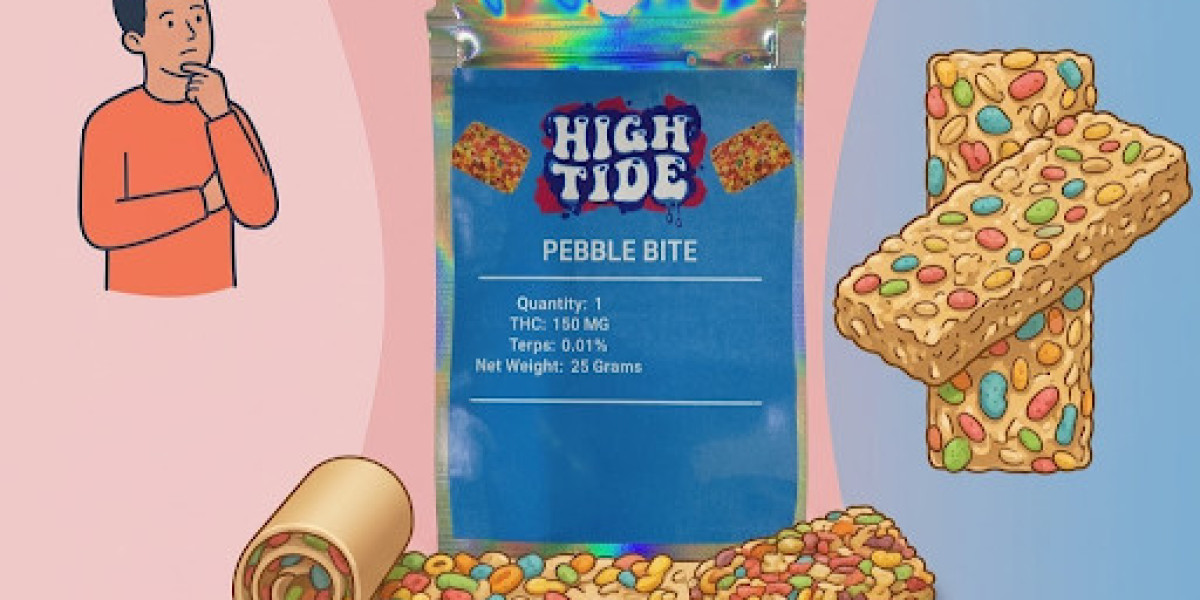
One important characteristic of a THC cereal bar is that its familiar appearance does not indicate how much THC it contains. The amount must be determined from the product label rather than estimated from its physical size. Consumers should check both the THC amount per serving and the total amount contained in the package.
Reading the Label Carefully
THC concentration is one of the most important details to examine when evaluating an edible. Consumers should check the amount of THC per serving and understand how many servings are contained in the package.
A clearly labeled product can make it easier to understand the amount being consumed, but labeling should not automatically be treated as a guarantee of safety. Consumers should also check the ingredient list for allergens, sweeteners, grains, nuts, or other components that may be relevant to dietary requirements.
Products containing cannabis should be kept separate from ordinary snacks, particularly in households where children may have access to food storage areas.
Why Storage Matters
THC-infused foods can look similar to conventional snacks. The U.S. Food and Drug Administration has warned that edible products may be mistaken for familiar foods, creating a significant risk of accidental ingestion, particularly among children.
Safe storage therefore involves more than simply closing the package. Products should remain in their original, clearly labeled packaging and be stored somewhere inaccessible to children and pets. They should also be kept separate from everyday breakfast foods and snacks to reduce the possibility of confusion.
Storage Is an Important Safety Issue
Edible cannabis products can create particular concerns in households with children and pets because their appearance may resemble familiar snacks. The FDA has warned about accidental ingestion of THC-containing food products by children and recommends keeping such products out of their reach.
A THC cereal bar should therefore be stored securely and separately from conventional breakfast foods or snacks. Clearly labeled, child-resistant packaging can help reduce accidental consumption, but responsible storage remains essential.
Edibles Compared With Cannabis Drinks
Cannabis beverages provide another oral consumption format. Although the format differs, the basic concern surrounding delayed oral effects remains relevant. Consumers should not assume that a beverage will necessarily produce effects faster or more predictably simply because it is liquid. Product formulation, individual metabolism, and the amount of THC can all influence the experience.
Understanding the Legal Context
The legal status of THC-containing foods differs across jurisdictions. In the United States, federal rules also create important distinctions between cannabis-derived ingredients and foods containing THC. The FDA states that introducing food containing added THC or CBD into interstate commerce is prohibited under the Federal Food, Drug, and Cosmetic Act, subject to the law's specific provisions and exceptions.
State laws can differ substantially, so consumers and businesses should consider the regulations applicable in their particular jurisdiction rather than relying solely on general information.
Conclusion
THC-infused cereal products demonstrate how cannabis can be incorporated into familiar food formats, but their appearance should not obscure the fact that they contain a psychoactive substance. Understanding serving information, delayed effects, potential adverse reactions, and safe storage is essential for responsible handling.
When comparing different edible formats, grape THC drink products may appear very different from cereal-based snacks, yet both require careful attention to THC content, labeling, storage, and applicable laws. Consumers should rely on accurate product information and local regulations while keeping all THC-containing foods securely away from children and pets.