
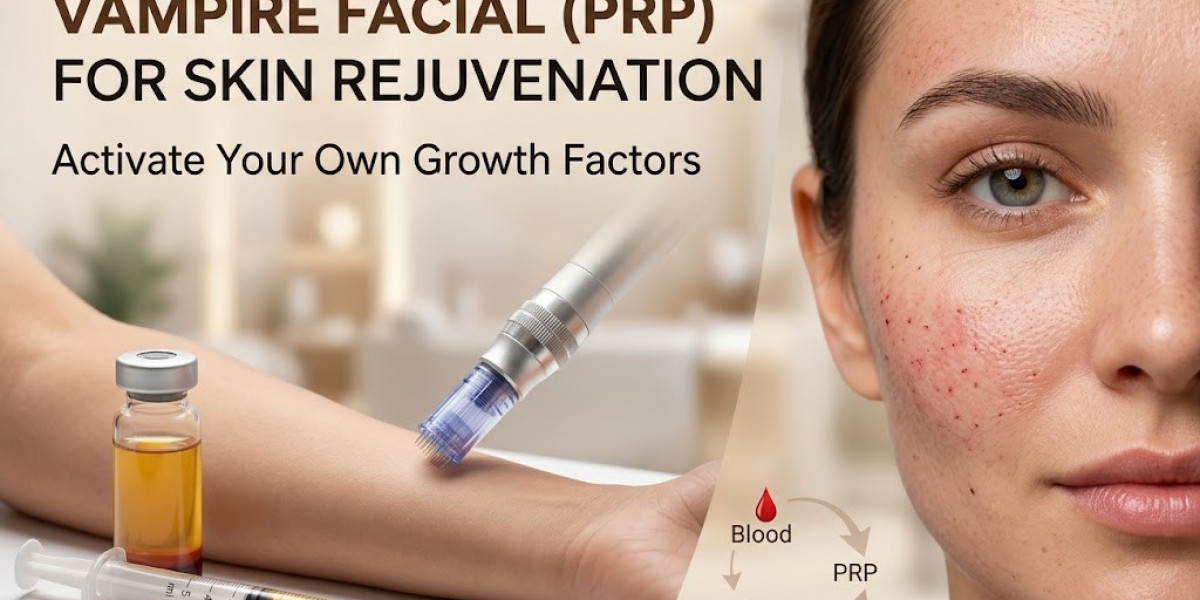
A vampire facial has become a popular cosmetic treatment for people looking to improve skin texture, reduce signs of aging, and achieve a healthier glow. Despite its unusual name, the procedure does not involve anything related to vampires. Instead, it uses a person’s own blood components to support skin rejuvenation. Understanding how this treatment works, its benefits, possible results, and side effects can help you decide whether it is suitable for your skin.
What Is a Vampire Facial and How Does It Work?
A vampire facial, medically known as Platelet-Rich Plasma (PRP) facial therapy, is a minimally invasive skin rejuvenation procedure that uses the patient’s own blood to improve skin quality. The treatment involves collecting a small amount of blood, separating platelet-rich plasma from other blood components, and applying or injecting the plasma into the skin.
Platelets contain growth factors that play an important role in tissue repair and collagen production. During a vampire facial, these growth factors are believed to stimulate the skin’s natural healing process, helping improve firmness, texture, and overall appearance.
The procedure is often combined with microneedling, where tiny needles create controlled micro-injuries in the skin. These small channels allow the PRP solution to penetrate deeper and encourage collagen formation.
Because the treatment uses the patient’s own blood, the risk of allergic reactions is lower compared with procedures using synthetic substances. However, like any cosmetic procedure, it should only be performed by a trained medical professional.
Benefits of Vampire Facial for Skin Rejuvenation
A vampire facial is mainly used to refresh and improve the appearance of the skin. Many people choose this treatment because it focuses on stimulating natural skin repair rather than adding artificial substances.
One of the main benefits is improved skin texture. PRP therapy may help smooth rough skin, reduce dullness, and create a more refreshed appearance by supporting collagen production.
The treatment may also help reduce the appearance of fine lines and early signs of aging. As collagen levels improve, the skin may become firmer and more elastic over time.
Another benefit is improved skin tone. Some individuals experience a brighter complexion and more even-looking skin after completing their recommended treatment sessions.
Vampire facials are also used for acne scars and minor skin imperfections. The combination of microneedling and PRP may encourage skin regeneration, helping reduce the appearance of certain scars.
However, results vary between individuals. Factors such as age, skin condition, lifestyle, and the body’s natural healing response influence the effectiveness of treatment.
How Does a Vampire Facial Improve Skin Quality?
The main reason vampire facials are believed to improve skin appearance is their effect on collagen stimulation. Collagen is a protein that provides structure, firmness, and elasticity to the skin.
As people age, natural collagen production decreases, leading to fine lines, wrinkles, and changes in skin texture. PRP contains growth factors that may signal the skin to repair itself and produce new collagen.
Microneedling creates controlled injuries that activate the body’s natural healing response. When PRP is introduced during this process, it may enhance tissue repair and support healthier skin regeneration.
Unlike some treatments that provide immediate temporary changes, vampire facials generally work gradually. Improvements may become more noticeable over several weeks as new collagen develops.
The treatment does not completely stop aging or replace healthy skincare habits. Regular sunscreen use, proper hydration, and a consistent skincare routine remain important for maintaining results.
What Results Can You Expect After a Vampire Facial?
The results of a vampire facial are usually gradual rather than immediate. After the procedure, some people notice a temporary glow or smoother skin appearance within the first few days.
More significant improvements typically appear over several weeks as collagen production increases and the skin continues its healing process. Commonly reported results include improved skin texture, reduced dullness, softer fine lines, and a healthier complexion.
Multiple sessions may be recommended depending on individual goals. People seeking improvement in acne scars, uneven texture, or signs of aging may require a customized treatment plan.
It is important to maintain realistic expectations. A vampire facial can improve skin quality, but it cannot completely remove deep wrinkles, severe scars, or major skin damage.
The longevity of results also varies. Some individuals may maintain improvements for months, especially when they follow proper skincare practices and protect their skin from sun exposure.
Side Effects and Risks of Vampire Facial
Although vampire facials are generally considered safe when performed correctly, side effects can occur. Since the procedure involves needles and skin penetration, temporary reactions are common.
Possible side effects include redness, swelling, bruising, mild pain, and sensitivity at the treatment area. These effects usually improve within a few days after the procedure.
Some people may experience temporary dryness, peeling, or irritation as the skin heals. Following post-treatment instructions from your dermatologist can help reduce discomfort and support recovery.
Although rare, complications such as infection, prolonged inflammation, or skin changes can occur if the procedure is performed in an unhygienic environment or by an inexperienced provider.
People with certain blood disorders, active skin infections, or medical conditions affecting healing should consult a doctor before undergoing PRP facial treatment.
Choosing a qualified dermatologist or licensed medical professional is essential for reducing risks and achieving safe results.
Who Is a Good Candidate for a Vampire Facial?
A vampire facial may be suitable for adults who want to improve mild signs of aging, uneven texture, dull skin, or acne scars. It is often chosen by individuals looking for a natural approach to skin rejuvenation.
Good candidates usually have realistic expectations and understand that improvements develop gradually. The treatment is not designed to dramatically change facial features but rather enhance overall skin quality.
People with active acne outbreaks, certain skin infections, bleeding disorders, or specific health conditions may not be ideal candidates. A dermatologist can evaluate your skin and medical history before recommending the procedure.
A professional consultation is important because every person’s skin is different. A dermatologist can determine whether PRP therapy or another treatment option would provide better results.
Vampire Facial Aftercare and Recovery Tips
Proper aftercare plays an important role in achieving good results after a vampire facial. Immediately after treatment, the skin may appear red and feel sensitive, similar to a mild sunburn.
Patients are usually advised to avoid harsh skincare products, excessive sun exposure, and intense physical activity for a short period after treatment.
Using gentle cleansers, moisturizers, and sunscreen can help protect the skin during recovery. Avoiding makeup immediately after the procedure may also reduce the risk of irritation or infection.
Following the dermatologist’s instructions is essential because improper aftercare can affect healing and final results.
Book Online Appointment with Best Dermatologist via InstaCare
If you are considering a vampire facial for skin rejuvenation, consulting an experienced dermatologist is the safest way to understand whether this treatment matches your skin needs. A professional evaluation can help identify your concerns and recommend the most suitable approach.
You can book an online appointment with the best dermatologist via InstaCare to discuss PRP facial treatment, expected results, possible risks, and personalized skincare options.
Frequently Asked Questions About Vampire Facial
- Is a vampire facial painful?
A vampire facial may cause mild discomfort because it involves needles and microneedling. Most patients tolerate the procedure well, and numbing cream is often used to reduce discomfort.
- How long does it take to see vampire facial results?
Some improvements may appear within a few days, but noticeable skin changes usually develop gradually over several weeks as collagen production increases.
- How many vampire facial sessions are needed?
The number of sessions depends on your skin concerns and treatment goals. A dermatologist can recommend a suitable schedule after evaluating your skin.
- Is a vampire facial safe for all skin types?
Many skin types can benefit from PRP therapy, but it may not be suitable for everyone. A dermatologist should assess your health and skin condition before treatment.
- How long do vampire facial results last?
Results vary from person to person. Maintaining a good skincare routine and protecting the skin from sun damage can help extend the benefits.






