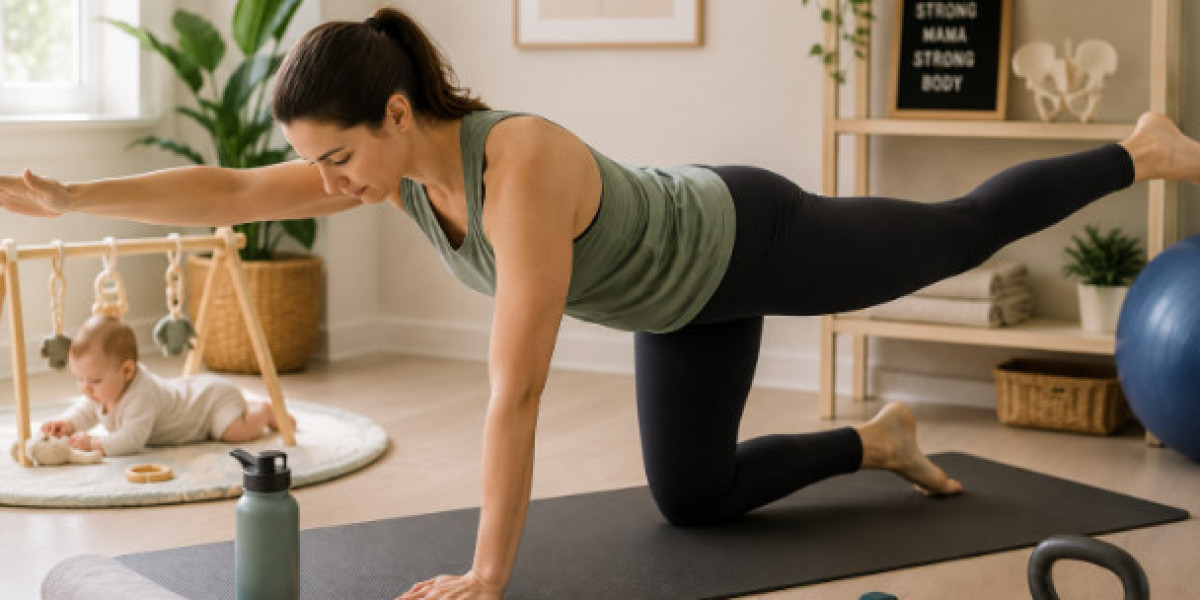
Pregnancy and childbirth bring significant changes to the body, affecting muscles, joints, posture, energy levels, and overall movement patterns. After giving birth, many new mothers want to return to exercise, rebuild strength, and improve their physical wellbeing. However, the body requires time, care, and appropriate guidance to recover safely.
A postpartum exercise program is designed to support women during the recovery period after pregnancy by focusing on gradual movement, strength restoration, and rebuilding confidence in physical activity. Rather than returning immediately to intense workouts, a structured approach helps address the unique needs of the postpartum body.
Understanding the benefits, key components, and considerations of postpartum exercise can help new mothers choose an approach that supports long-term health and recovery.
Why Postpartum Exercise Is Important
The body undergoes many physical changes during pregnancy and childbirth. Muscles, ligaments, and connective tissues adapt to support the growing baby, while daily activities and posture may also change.
Postpartum exercise can help support:
- Muscle strength
- Mobility
- Posture
- Energy levels
- Confidence with movement
- Overall physical wellbeing
A carefully planned exercise routine allows new mothers to gradually rebuild their physical capacity while respecting the recovery process.
What Is a Postpartum Exercise Program?
A postpartum exercise program is a structured movement plan created specifically for women after childbirth. These programs focus on exercises that support recovery while gradually improving strength, stability, and function.
Unlike general fitness routines, postpartum programs consider factors such as:
- Recovery stage after birth
- Pelvic floor health
- Core muscle function
- Postural changes
- Individual fitness levels
The goal is to help women safely return to movement while addressing the physical demands of motherhood.
Key Areas Addressed in Postpartum Exercise
Pelvic Floor Rehabilitation
The pelvic floor muscles play an important role during pregnancy and childbirth. These muscles support pelvic organs and contribute to bladder control, stability, and overall function.
Postpartum exercise programs often include movements that help women reconnect with and strengthen their pelvic floor muscles.
Exercises may focus on:
- Awareness of pelvic floor activation
- Controlled breathing
- Gentle strengthening techniques
- Functional movement patterns
Core Strength Recovery
Pregnancy can affect abdominal muscles and core stability. Rebuilding core strength after childbirth is an important part of improving movement and supporting everyday activities.
A postpartum program may include exercises that focus on:
- Deep abdominal muscles
- Stability control
- Safe core engagement
- Functional strength
The focus is usually on gradual progression rather than high-intensity abdominal exercises.
Improving Posture and Mobility
Carrying a baby, feeding positions, and daily childcare activities can contribute to changes in posture and muscle tension.
Postpartum movement programs often include exercises that support:
- Spinal mobility
- Shoulder movement
- Hip flexibility
- Better alignment
Improved mobility can make everyday activities more comfortable.
Benefits of a Structured Postpartum Exercise Program
Supports a Safe Return to Exercise
After childbirth, many women are eager to resume physical activity but may be unsure where to begin. A structured program provides guidance on appropriate exercises and progression.
This helps reduce the risk of doing movements that may place unnecessary stress on recovering areas.
Builds Functional Strength
New motherhood involves many physical tasks, including lifting, carrying, bending, and prolonged periods of holding a baby.
Postpartum strength training can help improve the ability to perform these daily activities more comfortably.
Encourages Confidence in Movement
Changes after pregnancy can affect how women feel about their bodies and physical abilities. A gradual exercise approach helps rebuild confidence by allowing individuals to recognize their progress.
Supports Long-Term Health
Developing healthy movement habits after pregnancy can contribute to ongoing physical wellbeing.
A consistent postpartum exercise routine may support:
- Strength maintenance
- Better mobility
- Improved fitness habits
- Continued wellness
When Can Women Start Postpartum Exercise?
The right time to begin exercising after childbirth depends on individual circumstances, including the type of delivery, recovery progress, and overall health.
Some women may begin gentle movements earlier, while others may require more time before increasing activity levels.
Important considerations include:
- Medical clearance when required
- Listening to the body
- Gradual progression
- Avoiding pain or excessive strain
Every recovery journey is different, so exercise plans should be adjusted according to individual needs.
The Role of Physiotherapy in Postpartum Recovery
Physiotherapy can play an important role in helping women understand their bodies after pregnancy. A qualified professional can assess movement patterns, identify areas requiring attention, and provide guidance for safe exercise progression.
Specialised care, including Leichhardt physiotherapy, can support postpartum recovery through personalised movement strategies and education focused on individual goals.
Common Mistakes When Returning to Exercise After Birth
Many new mothers may unintentionally progress too quickly or choose exercises that are not suitable during early recovery.
Common mistakes include:
- Returning to high-impact exercise too soon
- Ignoring pelvic floor symptoms
- Focusing only on appearance goals
- Skipping mobility and recovery work
- Comparing recovery timelines with others
A balanced approach focuses on rebuilding strength and function gradually.
Choosing the Right Postpartum Exercise Approach
When selecting a postpartum exercise program, consider:
Qualified Guidance
Programs led by trained movement professionals can provide safer and more effective support.
Individualised Planning
Every postpartum experience is different. A program should consider personal recovery needs, goals, and lifestyle demands.
Gradual Progression
A successful program should allow progression from gentle movements to more challenging exercises as strength improves.
Creating a Sustainable Postpartum Fitness Routine
Consistency is more important than intensity during postpartum recovery. Small, regular movement sessions can help create lasting habits without placing excessive demands on the body.
A balanced routine may include:
- Strength exercises
- Mobility work
- Breathing techniques
- Walking
- Recovery-focused movements
The aim is to support overall health while fitting realistically into a new mother’s lifestyle.
Conclusion
A postpartum exercise program provides a structured way for women to rebuild strength, improve mobility, and safely return to physical activity after pregnancy. By focusing on areas such as pelvic floor function, core recovery, and functional movement, these programs support the unique needs of the postpartum body. With guidance from experienced professionals offering services such as Leichhardt physiotherapy, new mothers can develop an exercise approach that supports recovery and long-term wellbeing. A gradual and personalised movement routine can help women feel stronger, more confident, and comfortable in their bodies after childbirth.