
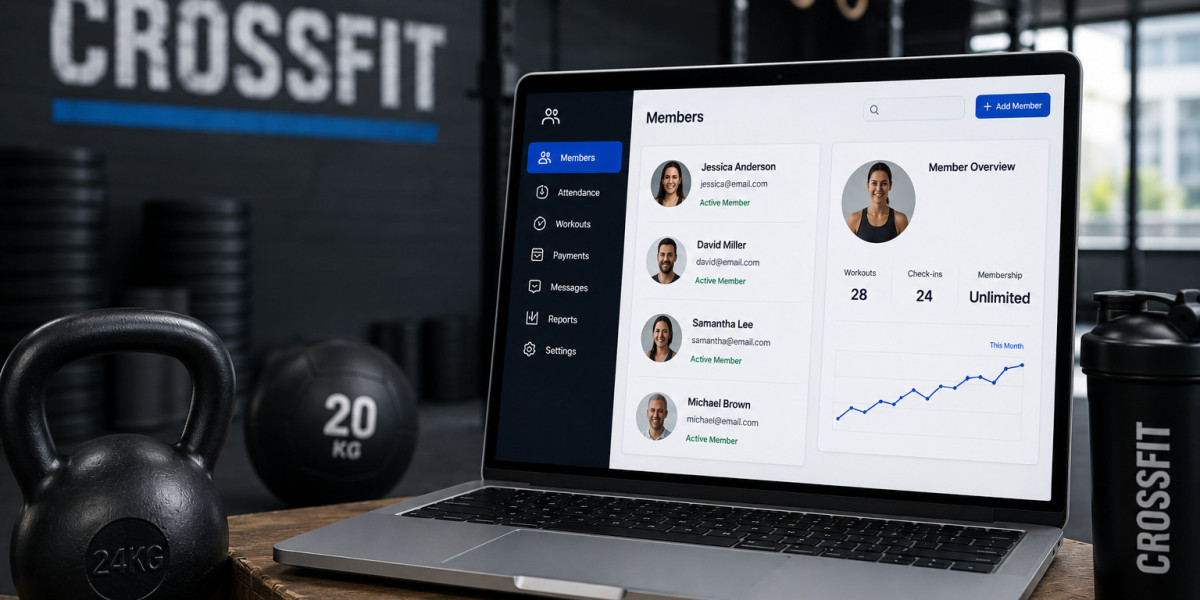
A packed class can be a great sign for a CrossFit gym—until too many members show up, coaches lose track of attendance, or schedule changes create confusion. As class volume grows, small organizational issues can quickly become daily problems. The right CrossFit class management software helps gyms bring these moving parts together, making sessions easier to plan, monitor, and manage.
Here are seven common class management challenges that software can help CrossFit gyms solve.
1. Overbooked and Overcrowded Classes
Popular classes can fill quickly, especially during early morning and evening hours. When bookings are handled manually, it becomes harder to monitor capacity and prevent too many members from registering.
CrossFit class management software can set class limits and automatically stop additional bookings when capacity is reached. This creates a more predictable training environment while helping coaches maintain better control over each session.
2. Complicated Attendance Tracking
Remembering who attended each workout should not become another responsibility for coaches. Paper lists, spreadsheets, or manual attendance records can take time and may lead to inaccurate member histories.
With digital attendance tracking, coaches can quickly mark attendance and maintain organized records. Gym owners can also review attendance patterns to identify frequently missed sessions, highly active members, and changes in participation.
3. Last-Minute Cancellations and No-Shows
A cancelled reservation can leave an empty spot that another member could have used. At the same time, no-shows make it difficult to understand actual class demand.
Software can simplify cancellation management and support waitlists. When a spot becomes available, a member on the waitlist can be notified or moved into the class according to the gym's workflow. This helps gyms make better use of available capacity.
4. Scheduling Conflicts
Managing multiple daily classes, coaches, and training spaces can become complicated as a CrossFit gym expands. A change to one session may affect another class or create conflicts with trainer availability.
A centralized scheduling system makes it easier to organize class times, assign coaches, and maintain an updated calendar. Instead of relying on separate spreadsheets or messages, staff can work from a shared schedule.
5. Poor Visibility Into Class Performance
Attendance numbers alone do not always tell the full story. Gym owners may want to know which classes are consistently full, which time slots have lower participation, and how member attendance changes over time.
CrossFit class management software can bring this information into one place. With clearer data, owners can make informed decisions about class capacity, schedules, and programming instead of relying entirely on assumptions.
6. Communication Around Schedule Changes
A coach becomes unavailable. A class time changes. A session reaches capacity. These updates need to reach members quickly.
When communication depends on individual messages, some members may miss important information. Software can centralize class details and make schedule information easier for members to access. Depending on the platform, automated notifications and reminders can also reduce the amount of manual communication required from staff.
7. Difficulty Managing the Complete Class Workflow
Class management involves much more than creating a timetable. Members need to find sessions, book their spots, receive updates, attend workouts, and sometimes join waitlists. Coaches need visibility into attendance and class rosters, while owners need operational data.
A centralized CrossFit class management platform connects these activities into a more organized workflow. GymWyse, for example, is built as gym management software that can help CrossFit businesses manage classes, members, scheduling, and other core operations from a centralized system.
Why CrossFit Gyms Need Better Class Management
As membership grows, manual class administration becomes harder to maintain. Software does not replace the role of coaches or gym staff; instead, it reduces repetitive administrative work and gives everyone better visibility into daily operations.
The biggest advantage is consistency. Members get a clearer booking experience, coaches have better access to class information, and owners can use operational data to make smarter decisions.
Final Thoughts
Class management problems may seem small individually, but repeated booking conflicts, attendance errors, no-shows, communication gaps, and scheduling issues can consume valuable time. CrossFit class management software brings these processes together so gyms can operate with greater structure and less administrative friction.
For growing CrossFit businesses, investing in the right system can make class operations easier to control while creating a smoother experience for both members and coaches.






