Gastric bypass surgery is a trusted, clinically proven bariatric procedure designed to help individuals achieve effective and lasting weight loss. For many people struggling with severe obesity, conventional methods such as dieting, exercise, and lifestyle changes may fail to deliver sustainable results. Gastric bypass offers a safe and medically supported surgical solution that promotes significant weight loss while improving metabolic health, mobility, and overall quality of life.
Obesity is a serious medical condition associated with increased risks of type 2 diabetes, high blood pressure, heart disease, sleep apnea, and joint problems. Gastric bypass addresses these risks by modifying the digestive system to limit food intake and reduce calorie absorption. This dual approach ensures effective, safe, and long-term weight management.
Understanding Gastric Bypass Surgery
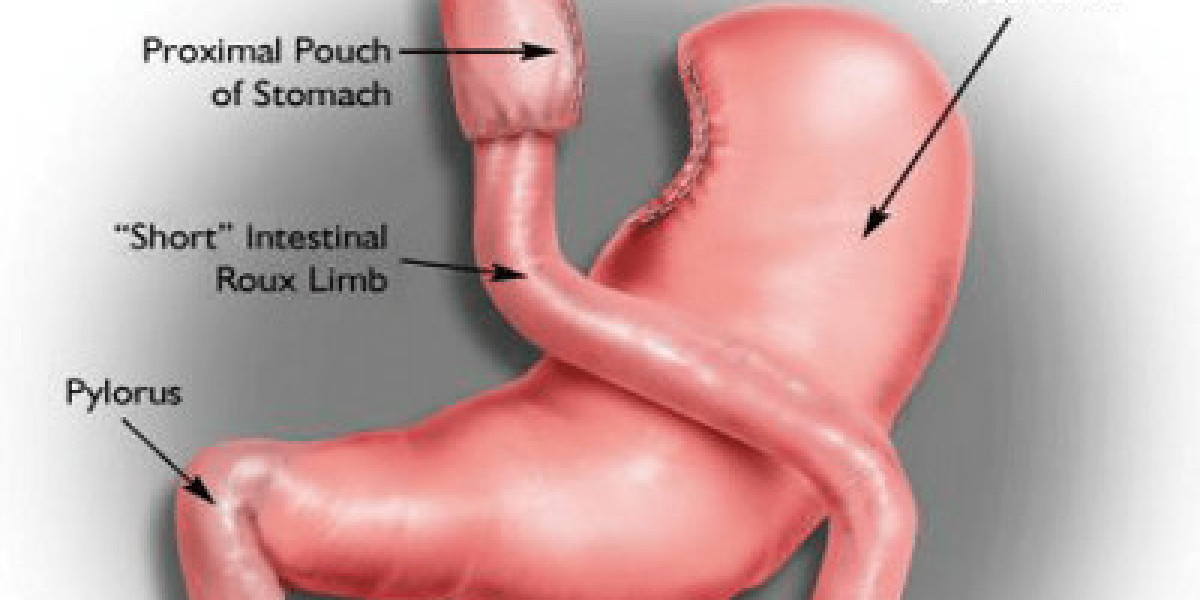
Gastric bypass combines restriction and malabsorption to achieve long-term weight control. The most commonly performed method, Roux-en-Y gastric bypass, involves creating a small stomach pouch and rerouting a portion of the small intestine.
During surgery, the upper portion of the stomach is divided to form a small pouch, which becomes the patient’s new stomach. This smaller pouch restricts food intake, allowing patients to feel full faster and naturally consume fewer calories.
A portion of the small intestine is then rerouted and connected to the new pouch. By bypassing part of the stomach and upper intestine, the surgery reduces calorie and nutrient absorption, supporting effective and lasting weight loss when combined with proper diet and lifestyle modifications.
Who Can Benefit from Gastric Bypass?
Gastric bypass is recommended for individuals with severe obesity who have not achieved long-term weight loss through non-surgical methods. Candidates are evaluated based on body mass index (BMI), overall health, and obesity-related medical conditions.
Ideal candidates include:
Individuals with a BMI of 40 or higher
Individuals with a BMI of 35 or higher with obesity-related health issues
Patients with type 2 diabetes, high blood pressure, or sleep apnea
Individuals committed to long-term lifestyle and dietary changes
A thorough medical assessment ensures the procedure is safe and appropriate for each patient.
Benefits of Gastric Bypass
Gastric bypass offers multiple benefits beyond weight loss, improving both physical and emotional health:
Effective and sustainable weight loss
Patients often lose a significant portion of excess weight within the first year and maintain results long-term with proper lifestyle habits.
Improvement in obesity-related conditions
Many patients experience resolution or improvement of type 2 diabetes, high blood pressure, high cholesterol, and sleep apnea.
Enhanced metabolic health
Hormonal changes after surgery help regulate appetite, improve insulin sensitivity, and support better blood sugar control.
Increased energy and mobility
Weight loss reduces joint strain, allowing patients to engage more actively in physical activities.
Emotional and mental benefits
Achieving weight loss goals boosts confidence, mental health, and overall quality of life.
How Gastric Bypass Surgery Is Performed
Modern gastric bypass is usually performed using minimally invasive laparoscopic techniques. Small incisions in the abdomen allow the surgeon to use specialized instruments and a camera to complete the procedure.
This method provides smaller scars, less post-operative pain, and faster recovery compared to traditional open surgery. The procedure typically takes a few hours under general anesthesia, with most patients staying in the hospital for 2–3 days for monitoring and recovery.
Recovery and Post-Surgery Diet
Recovery involves physical healing and adapting to new eating habits. Patients start with a liquid diet, progress to soft foods, and eventually return to solid meals.
Patients are advised to eat smaller portions, chew thoroughly, and avoid high-sugar or high-fat foods. Proper hydration and a balanced diet support recovery and long-term weight management. Regular follow-ups help monitor progress and ensure proper nutrition.
Long-Term Lifestyle Commitment
While gastric bypass is highly effective, lasting results require long-term healthy habits:
Eat a balanced, nutrient-rich diet
Consume smaller, frequent meals throughout the day
Avoid processed and sugary foods
Engage in regular physical activity
Take recommended vitamin and mineral supplements
Attend routine medical check-ups
Following these habits ensures patients maintain weight loss and overall health.
Risks and Considerations
Like any surgery, gastric bypass carries potential risks, including infection, bleeding, or nutritional deficiencies if dietary recommendations are not followed. However, when performed by experienced bariatric surgeons with proper care, it is considered safe and highly effective.
Patients should discuss potential benefits and risks with their healthcare provider before surgery. Proper preparation and ongoing support are essential for achieving successful outcomes.
Trusted Medical Solution for Weight Loss
Gastric bypass is a safe, effective, and trusted medical procedure for severe obesity. By combining advanced surgical techniques with lifestyle guidance and ongoing medical support, it provides a pathway to sustainable weight loss, improved metabolic health, increased mobility, and enhanced overall quality of life.
For those ready to take control of their health, gastric bypass offers a clinically supported opportunity to achieve lasting weight management and a healthier, more active lifestyle.