
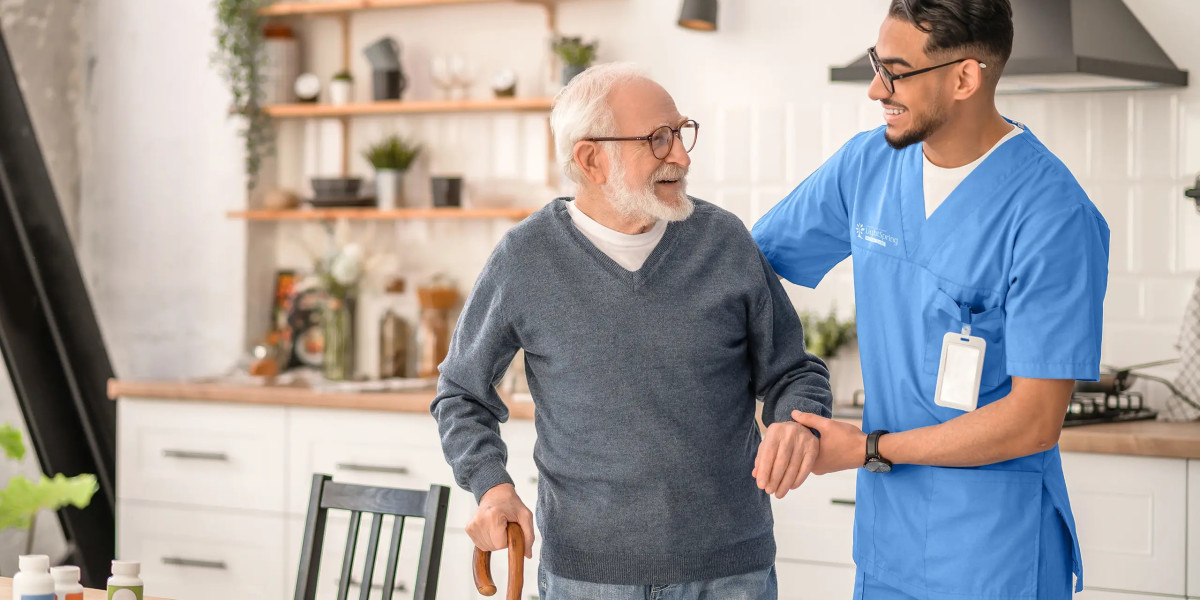
Aging often brings changes in mobility, health, and daily routines, but it does not mean seniors must give up their independence. Many older adults prefer to remain in their own homes where they feel comfortable, safe, and connected to their memories and community. This is where Home Care Services play a vital role by providing the right balance of assistance and independence. Instead of moving to institutional care settings, seniors can receive personalized support at home while continuing to manage their daily lives with dignity and confidence.
Supporting Daily Living Activities:
As seniors grow older, certain everyday tasks may become more challenging due to reduced strength, mobility, or health conditions. Professional caregivers assist with these tasks while encouraging seniors to remain actively involved in their routines. This support allows older adults to continue living independently without feeling overwhelmed by daily responsibilities. Assistance with daily living activities may include:
Help with bathing, dressing, and grooming
Assistance with meal preparation and nutrition
Support with light housekeeping and home organization
Help with laundry and maintaining a clean environment
Reminders for medications and daily schedules
By offering gentle support rather than full control, caregivers ensure seniors maintain independence while receiving necessary assistance.
Encouraging Mobility and Physical Activity:
Physical activity is essential for maintaining strength, balance, and overall health. When seniors remain active, they are more likely to preserve their independence and reduce the risk of injuries or health complications. Caregivers help seniors engage in safe and appropriate physical activities based on their abilities and health conditions. Activities that promote mobility may include:
Short daily walks around the neighborhood or home
Light stretching or chair exercises
Assistance with safe movement around the house
Encouragement to participate in recreational activities
Support in attending community or social events
Regular movement not only improves physical health but also enhances confidence and independence in daily life.
Creating a Safe Living Environment:
Safety is one of the most important factors in helping seniors remain independent at home. Many household environments may contain potential hazards such as slippery floors, poor lighting, or cluttered walkways. Caregivers help identify and reduce these risks to create a safer living space. Home Care Services often focus on preventive measures that protect seniors from accidents while allowing them to continue living comfortably at home. Safety improvements may include:
Organizing living spaces to reduce fall risks
Ensuring proper lighting in hallways and stairways
Assisting with mobility aids or supportive equipment
Monitoring for signs of health or mobility changes
Maintaining clean and accessible living areas
These safety measures help seniors move around confidently and reduce the likelihood of injuries.
Promoting Emotional Well-being and Confidence:
Independence is closely tied to emotional health and self-esteem. Seniors who feel capable of managing their daily lives are more likely to maintain a positive outlook and strong sense of identity. Caregivers provide emotional support and encouragement that helps seniors feel valued and respected. Ways caregivers promote emotional well-being include:
Engaging in friendly conversations and companionship
Encouraging participation in hobbies and interests
Supporting social connections with friends and family
Offering reassurance during challenging moments
Celebrating personal achievements and milestones
This emotional support helps seniors feel confident in their ability to remain independent.
Assisting With Health Management:
Managing health conditions is another important aspect of maintaining independence. Seniors may need support with medication schedules, doctor appointments, or monitoring symptoms of chronic conditions. Caregivers provide guidance and assistance that helps seniors stay on top of their health needs while continuing to live at home. Health-related support may include:
Medication reminders and organization
Assistance with scheduling medical appointments
Monitoring health symptoms or changes
Encouraging healthy lifestyle habits
Communicating with healthcare professionals when necessary
By helping seniors manage their health effectively, caregivers enable them to maintain greater control over their lives.
Supporting Social Engagement and Community Connection:
Remaining socially active is an important part of maintaining independence and mental well-being. Seniors who stay connected with others are less likely to experience loneliness or isolation. Caregivers often encourage and facilitate social interactions that keep seniors engaged with their communities. Social support activities may include:
Accompanying seniors to social events or gatherings
Encouraging participation in clubs or local activities
Helping seniors stay in touch with family and friends
Engaging in games, hobbies, or creative activities
Assisting with transportation to community programs
These interactions help seniors maintain a sense of belonging and active participation in their communities.
Providing Flexible and Personalized Care:
Every senior has unique needs, preferences, and lifestyle habits. Personalized care plans allow caregivers to provide assistance that fits the individual rather than forcing them to follow rigid routines. Flexibility in care ensures that seniors receive the support they need while maintaining control over their schedules and decisions. Benefits of personalized care include:
Care plans tailored to individual health and lifestyle needs
Flexible schedules that respect personal routines
Adjustments in care as needs change over time
Respect for personal preferences and independence
Collaboration with family members to ensure consistent support
Through customized care, seniors can continue living life on their own terms while receiving helpful support.
Final Thoughts:
Maintaining independence is one of the most important goals for many seniors as they age. With the right support system, older adults can continue living comfortably and safely in their own homes while preserving their dignity and autonomy. Home Care Services provide the assistance needed to manage daily activities, maintain health, and stay socially connected without sacrificing independence. By combining practical support, emotional encouragement, and personalized care, home care helps seniors enjoy a fulfilling lifestyle while remaining in the place they know and love most—their home.






