
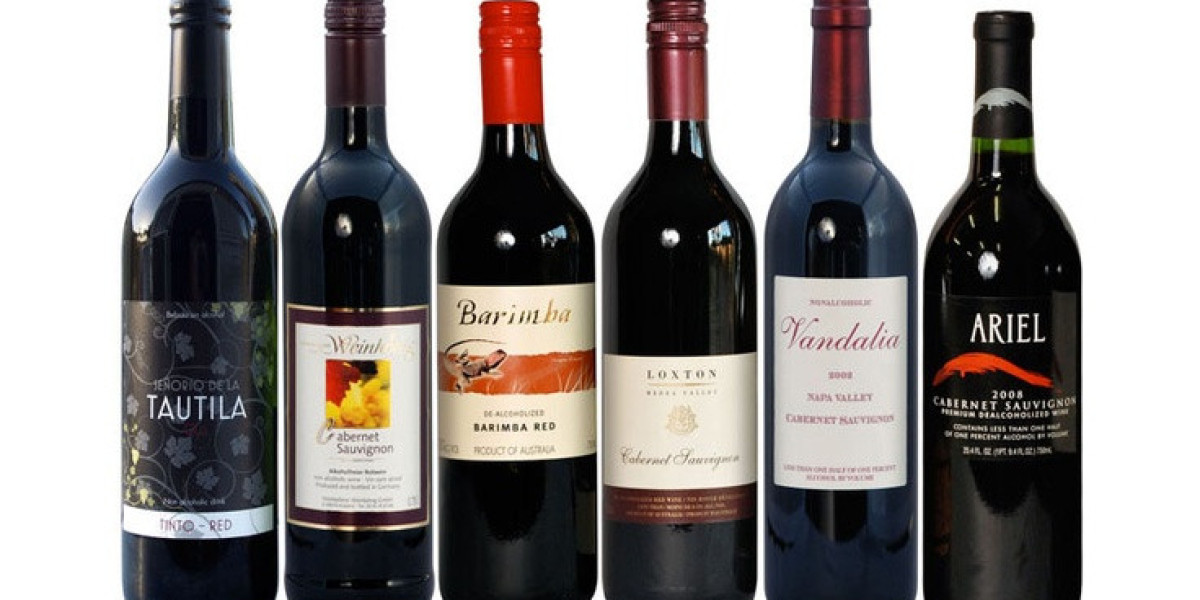
Wine has always been associated with celebration, elegance, and connection. From romantic dinners to festive gatherings, a glass of wine often completes the moment. But today, many people are rethinking their relationship with alcohol. Health goals, fitness routines, religious values, pregnancy, work commitments, or simply a desire for clearer mornings have encouraged millions to look for better alternatives. This is where Non-Alcoholic Wine steps in.
Once considered a niche product, alcohol-free wine has now become a global trend. Thanks to modern winemaking technology, these beverages taste remarkably close to traditional wine while containing little to no alcohol. You still get the aroma, flavor complexity, and refined experience—without the intoxication or hangover.
In this complete guide, you’ll discover what Non-Alcoholic Wine is, how it’s made, its benefits, varieties, and why it’s quickly becoming a staple in homes, restaurants, and specialty alcohol-free stores.
What Is Non-Alcoholic Wine?
Non-alcoholic wine is real wine that has gone through the normal fermentation process and then had the alcohol removed or reduced to very low levels—typically below 0.5% ABV (alcohol by volume).
This is an important difference: it is not grape juice or soda. It begins as authentic wine made from grapes, yeast, and fermentation. Only after the wine develops its natural flavors and aromas is the alcohol carefully extracted.
The result is a beverage that looks, smells, and tastes like wine—but doesn’t affect your clarity, coordination, or health the way alcohol can.
How Non-Alcoholic Wine Is Made
Modern production methods ensure the drink maintains its original taste and structure. The process generally includes three main steps:
Traditional Winemaking
Grapes are harvested, crushed, fermented, and aged just like regular wine. This creates authentic flavors, tannins, and aromas.
Alcohol Removal
After fermentation, alcohol is gently removed using advanced techniques such as:
Vacuum distillation
Reverse osmosis
Spinning cone technology
These methods separate alcohol without damaging delicate flavor compounds.
Flavor Balancing
Winemakers fine-tune the taste to restore body and smoothness.
This careful approach ensures Non-Alcoholic Wine remains sophisticated rather than tasting watered down.
Why Non-Alcoholic Wine Is So Popular Today
Consumer habits are changing rapidly. The “mindful drinking” movement has inspired people to reduce or eliminate alcohol while still enjoying social experiences.
Here’s why more people are choosing Non-Alcoholic Wine:
No hangovers
Lower calories
Better sleep quality
Clear thinking
Safer driving
Suitable for pregnancy
Religious or cultural reasons
Fitness and wellness goals
Inclusive social settings
Instead of giving up wine entirely, people now enjoy alcohol-free options that fit their lifestyle.
Health Benefits of Choosing Non-Alcoholic Wine
One of the biggest advantages is the positive impact on overall well-being.
Fewer Calories
Alcohol contains empty calories. Removing it significantly lowers calorie intake.
Better Hydration
Alcohol dehydrates the body, while alcohol-free alternatives help maintain hydration.
Improved Sleep
No alcohol means deeper, more restful sleep.
Heart-Friendly Antioxidants
Grapes contain polyphenols and antioxidants that may support heart health.
No Intoxication
You stay alert, focused, and productive.
For many people, switching to Non-Alcoholic Wine offers the best of both worlds—taste without negative side effects.
Types of Non-Alcoholic Wine
Just like traditional wine, alcohol-free varieties come in multiple styles and flavors.
Red Wines
Bold and rich with notes of berries, oak, and spices. Great with pasta, steak, or grilled foods.
White Wines
Crisp and refreshing with citrus or floral notes. Perfect with seafood or salads.
Rosé Wines
Light, fruity, and ideal for warm weather or casual gatherings.
Sparkling Wines
Bubbly and festive. Excellent for celebrations and parties.
Several well-known beverage companies now offer high-quality alcohol-free products. Producers such as Freixenet and global brewers like Heineken have expanded into the alcohol-free market, helping improve quality and mainstream acceptance.
Taste: Does It Really Compare to Regular Wine?
One common question is whether alcohol-free wine actually tastes good.
Older versions often lacked depth, but modern improvements have changed everything. Today’s Non-Alcoholic Wine offers:
Balanced acidity
Natural grape flavors
Realistic mouthfeel
Pleasant tannins
Complex aromas
While it may not perfectly replicate aged, high-alcohol wines, most people find the difference minimal—especially in social or food-pairing settings.
In many blind tastings, casual drinkers can’t easily tell the difference.
Who Should Drink Non-Alcoholic Wine?
This beverage isn’t only for people who avoid alcohol completely. It’s ideal for anyone wanting flexibility.
It’s perfect for:
Pregnant women
Athletes and fitness enthusiasts
Designated drivers
Office lunches or meetings
People reducing alcohol intake
Religious communities
Health-conscious consumers
Anyone practicing mindful drinking
A glass of Non-Alcoholic Wine lets everyone feel included at social events.
Food Pairing Ideas
Pairing alcohol-free wine with meals enhances both taste and enjoyment.
Red wines with grilled meats or pasta
White wines with fish or chicken
Rosé with light snacks or cheese boards
Sparkling wine with desserts or celebrations
These pairings provide the full wine experience without the drawbacks of alcohol.
When to Choose Non-Alcoholic Wine
There are many everyday situations where alcohol-free options make more sense:
Weeknight dinners
Business meetings
Daytime events
Family gatherings
Long drives
Fitness challenges
Recovery periods
Instead of skipping wine entirely, Non-Alcoholic Wine gives you a smarter, healthier alternative.
Common Myths About Non-Alcoholic Wine
Myth: It’s just grape juice
It’s fully fermented wine with alcohol removed.
Myth: It tastes bad
Modern methods have greatly improved flavor and quality.
Myth: It’s only for people who can’t drink
Many choose it simply for wellness and balance.
Myth: It’s unhealthy
It usually has fewer calories and no intoxicating effects.
Understanding the truth helps more people feel confident trying it.
Tips for Buying the Best Non-Alcoholic Wine
To choose the right bottle:
Check alcohol percentage (0.0% or <0.5%)
Read reviews
Consider sweetness level
Choose trusted brands
Serve chilled properly
Use real wine glasses
Presentation and serving style greatly improve the experience.
The Future of Non-Alcoholic Wine
The alcohol-free beverage industry is expanding rapidly. Experts predict:
Premium luxury options
Organic and low-sugar versions
Improved flavor technology
More restaurant availability
Greater online shopping options
Dedicated alcohol-free stores
As awareness grows, Non-Alcoholic Wine will likely become a normal everyday choice rather than a special alternative.
Conclusion
You no longer need alcohol to enjoy the elegance and flavor of wine. Non-Alcoholic Wine provides the same sophisticated experience while supporting a healthier, more balanced lifestyle. Whether you’re cutting back for health, religious reasons, or personal choice, it offers freedom without compromise.
From casual dinners to special celebrations, alcohol-free wine lets you raise a glass confidently, stay clear-headed, and feel great the next day. It’s not just a substitute—it’s a smarter way to drink.






