
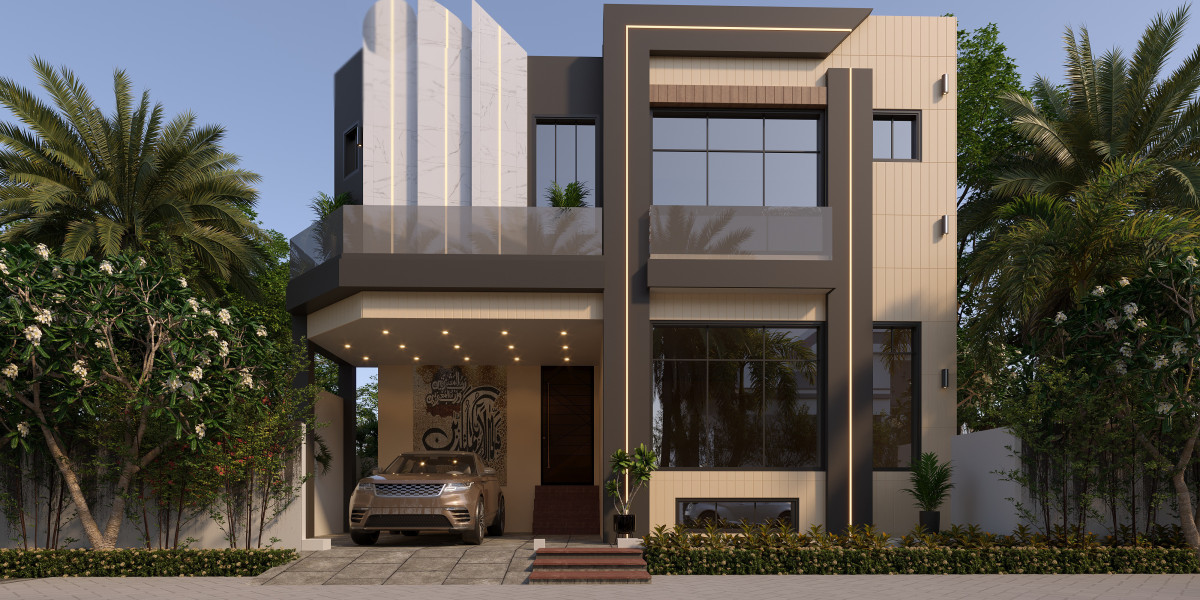
Construction in Lahore continues to evolve as homeowners, investors, and businesses look for modern, functional, and durable properties. From customized residential houses to commercial buildings, successful construction requires careful planning before work begins on the site.
A well-planned project can help control costs, reduce delays, improve construction quality, and ensure that the final building meets the owner's requirements.
Whether you are constructing a new home or developing a commercial property, the following stages can help you understand the construction process.
Start With a Clear Project Brief
Every construction project should begin with a clear project brief.
For a residential property, this may include:
Number of bedrooms
Living and dining areas
Kitchen requirements
Parking
Servant accommodation
Outdoor spaces
Storage
Smart-home features
Interior design preferences
For a commercial project, the brief may include:
Number of floors
Office or retail areas
Parking requirements
Elevators
Reception areas
Fire-safety systems
Electrical requirements
HVAC systems
Customer access
Future expansion
A clear brief gives architects and engineers a better understanding of what needs to be designed.
Select the Right Location
Location plays an important role in construction planning.
In Lahore, residential and commercial properties have different requirements depending on the area and development.
Before beginning construction, consider:
Plot dimensions
Road access
Surrounding development
Parking
Utilities
Drainage
Development regulations
Future accessibility
Property use
The design should respond to the characteristics of the plot rather than simply copying a standard building plan.
Develop the Architectural Design
The architectural stage transforms the project requirements into a practical building design.
Depending on the project, this may include:
Floor plans
Elevations
Sections
3D visualization
Interior layouts
Exterior design
Landscape planning
A good design balances appearance with functionality.
For example, a residential house should provide comfortable movement, natural light, ventilation, privacy, and practical storage. A commercial building may prioritize customer circulation, workspace efficiency, visibility, parking, and accessibility.
Complete Structural Engineering
Once the architectural concept is established, structural engineering becomes essential.
Structural engineers help determine how the building will safely carry its loads.
This can involve:
Foundation design
Column placement
Beam design
Slab design
Structural calculations
Reinforcement requirements
Load considerations
Structural decisions should be based on the project's specific requirements rather than assumptions.
Plan Electrical and Plumbing Systems
Electrical and plumbing systems should be considered early rather than added after construction has progressed.
Electrical planning may include:
Lighting
Power outlets
Distribution boards
Backup power
Internet infrastructure
Security systems
Smart-home equipment
Plumbing planning may include:
Water supply
Drainage
Bathrooms
Kitchen connections
Water tanks
Pumps
Wastewater systems
Early coordination helps prevent unnecessary changes during later construction stages.
Prepare a Realistic Construction Budget
Budget planning is one of the most important parts of construction in Lahore.
The overall cost can depend on:
Covered area
Building design
Structural requirements
Material specifications
Labor
Finishing level
Electrical systems
Plumbing
Interior design
Exterior development
Instead of considering only the construction rate, property owners should estimate the complete project cost.
It is also sensible to maintain a contingency allowance for unforeseen expenses.
Choose Appropriate Construction Materials
Materials have a direct impact on the durability and performance of a building.
Depending on the project, material decisions may include:
Cement
Steel
Bricks or blocks
Concrete
Tiles
Wood
Glass
Aluminum
Paint
Sanitary fixtures
Electrical equipment
Quality should be evaluated alongside price.
A material that appears cheaper initially may not always provide the best long-term value.
Focus on Energy Efficiency
Modern construction increasingly considers energy consumption and long-term operating costs.
Homeowners and commercial property owners can consider:
Natural ventilation
Efficient windows
Thermal insulation
LED lighting
Energy-efficient appliances
Solar energy
Efficient HVAC systems
Water-saving fixtures
Energy-conscious design can help reduce operating costs over the life of the building.
Consider Modern Construction Technology
Technology is also influencing the construction industry.
Digital design, 3D visualization, BIM, project-management software, and AI-assisted workflows can help construction professionals improve planning and coordination.
Research into generative AI in construction has identified potential applications across different stages of the project lifecycle, including planning and materials-related decision making.
These technologies should complement professional expertise rather than replace engineering judgment.
Construction Quality Control
Quality control should continue throughout the project rather than only at the end.
Regular inspections can help identify problems with:
Reinforcement
Concrete work
Brickwork
Waterproofing
Electrical installation
Plumbing
Flooring
Painting
Finishing
Finding problems early is generally easier than correcting them after multiple construction stages have been completed.
Residential vs. Commercial Construction in Lahore
Residential and commercial construction share many basic principles but have different requirements.
| Residential Construction | Commercial Construction |
|---|---|
| Focus on comfort | Focus on functionality |
| Privacy is important | Accessibility is important |
| Family-oriented layouts | Business-oriented layouts |
| Smaller-scale services | More complex MEP requirements |
| Home finishes | Commercial-grade finishes |
| Residential parking | Higher parking requirements |
| Personal preferences | Business and customer needs |
Understanding these differences helps ensure that the design is appropriate for the property's purpose.
Why Professional Construction Management Matters
A construction project involves multiple moving parts.
Architects, engineers, contractors, suppliers, electricians, plumbers, interior teams, and other workers may all contribute to the final building.
Professional project management helps coordinate these activities.
Syed Brothers describes its service offering as covering areas including structural engineering, grey structure construction, turnkey construction, renovation, interior and exterior work, and project management.
A coordinated approach can make it easier for property owners to track progress and maintain consistency across different stages.
Final Inspection and Handover
Before a building is handed over, the project should be inspected carefully.
The final review can include:
Electrical systems
Plumbing
Doors and windows
Flooring
Paint
Fixtures
Water systems
Lighting
Exterior work
Structural and finishing issues
Any outstanding defects should be documented and addressed before final handover.
Conclusion
Successful residential and commercial construction in Lahore begins long before the first brick is placed. Proper planning, architectural design, structural engineering, budgeting, material selection, quality control, and project management all contribute to a successful outcome.
Property owners should take time to define their requirements, select experienced professionals, establish a realistic budget, and maintain quality standards throughout construction.
With careful planning and the right construction partner, a Lahore building project can be developed with greater control over quality, cost, functionality, and long-term value.






