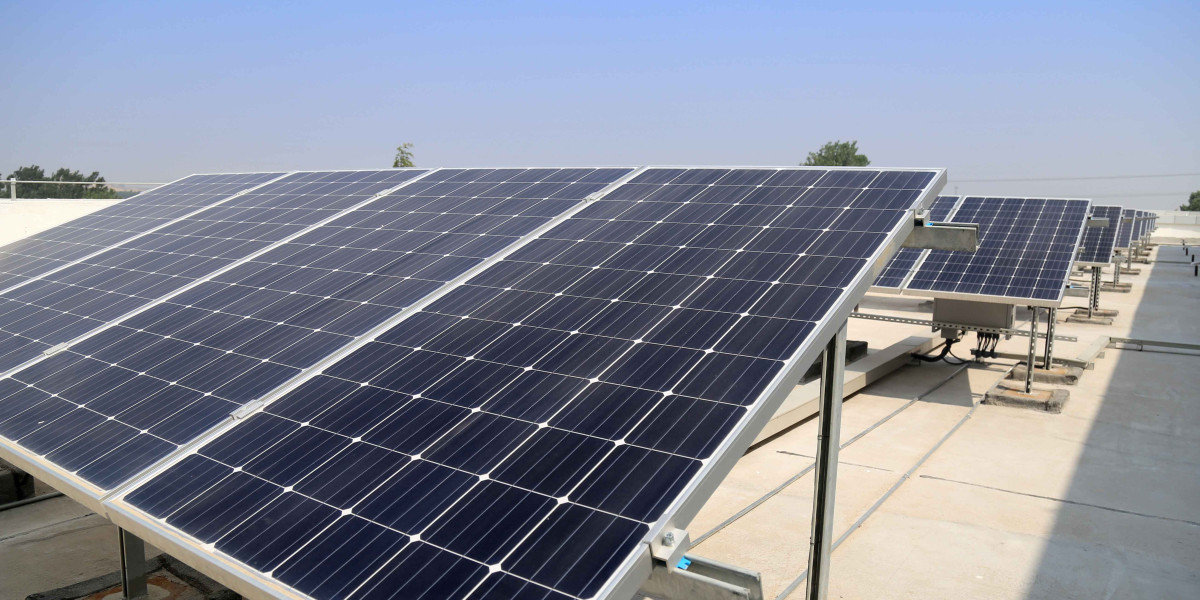
Installing solar panels is a significant investment that can provide long-term energy savings, greater energy independence, and environmental benefits. However, like any valuable asset, solar systems perform best when they receive proper care and attention. While solar panels are generally low-maintenance, regular Solar Panel Maintenance is essential for ensuring maximum efficiency, extending system lifespan, and protecting your return on investment.
Many homeowners and businesses assume solar panels can simply be installed and forgotten. While modern systems are designed for durability, factors such as dirt buildup, weather conditions, debris, and equipment wear can gradually impact performance over time. A proactive maintenance approach helps identify potential issues early and keeps the system operating at peak efficiency throughout the year.
In this guide, we'll explore a practical maintenance checklist that can help property owners protect their solar investment and maximize energy production.
Why Solar Panel Maintenance Matters
Solar panels are designed to generate electricity for 20 to 30 years or more. However, maintaining optimal performance requires periodic inspections and routine care.
Proper maintenance can help:
- Improve energy output
- Prevent unexpected issues
- Extend equipment lifespan
- Protect warranty coverage
- Maximize long-term savings
Even small efficiency losses can add up over time, making regular maintenance an important part of solar ownership.
Monthly Visual Inspection
One of the simplest maintenance tasks is conducting a visual inspection of the solar panels.
Look for:
- Dirt accumulation
- Leaves and debris
- Bird droppings
- Visible damage
- Loose components
You don't necessarily need to climb onto the roof. In many cases, a visual check from the ground using binoculars or a safe vantage point is sufficient.
Identifying issues early helps prevent larger problems from developing.
Monitor Energy Production
Most modern solar systems include monitoring tools that track energy generation.
Review your system's performance regularly and watch for:
- Unexpected drops in production
- Sudden changes in output
- System error notifications
- Inverter alerts
Monitoring data can often reveal problems before they become visible.
A gradual decline may indicate dirt buildup, while sudden drops could signal equipment issues that require professional attention.
Keep Panels Clean
Clean panels absorb sunlight more effectively than dirty ones.
Over time, dust, pollen, leaves, and other contaminants can accumulate on the surface.
Factors affecting cleaning frequency include:
- Local climate
- Nearby trees
- Air pollution levels
- Bird activity
In many areas, rainfall helps remove some debris naturally. However, additional cleaning may occasionally be necessary.
When cleaning solar panels:
- Use soft materials
- Avoid abrasive products
- Follow manufacturer recommendations
- Prioritize safety
Improper cleaning methods can damage panel surfaces and reduce efficiency.
Check for Shading Changes
A solar system may have been designed for full sunlight exposure, but conditions can change over time.
Potential shading sources include:
- Growing trees
- New construction
- Roof additions
- Satellite installations
Even partial shading can affect system performance.
Conduct periodic assessments to ensure sunlight access remains optimal throughout the year.
Addressing shading issues early can help maintain energy production levels.
Inspect Mounting Structures
The mounting system plays an important role in keeping solar panels secure.
Although mounting hardware is designed for durability, regular inspections remain important.
Look for signs of:
- Corrosion
- Loose fasteners
- Structural movement
- Weather-related damage
Severe weather events may increase the need for inspections.
Professional evaluations can help ensure structural integrity and system safety.
Monitor Inverter Performance
The inverter is one of the most important components of any solar energy system.
Its job is to convert solar-generated electricity into usable power for your home or business.
Common warning signs include:
- Error messages
- Flashing warning lights
- Unusual sounds
- Reduced energy production
Many system performance issues can be traced back to inverter-related problems.
Regular monitoring helps identify concerns before they significantly impact overall system performance.
Schedule Annual Professional Inspections
While homeowners can handle basic visual checks, professional inspections provide a deeper assessment of system health.
A qualified technician can evaluate:
- Electrical connections
- Inverter operation
- Panel condition
- Mounting systems
- Wiring integrity
- Overall system efficiency
Annual inspections help identify hidden issues and ensure the system continues operating safely and effectively.
Professional maintenance is often recommended by manufacturers and installers.
Review Battery Storage Systems
If your solar setup includes battery storage, additional maintenance considerations apply.
Battery owners should monitor:
- Charging performance
- Storage capacity
- System alerts
- Temperature conditions
Battery systems play a critical role in energy management and should be included in regular maintenance routines.
Following manufacturer guidelines helps maximize battery lifespan and reliability.
Prepare for Seasonal Changes
Different seasons can affect solar performance in different ways.
Spring and Summer
- Remove pollen buildup
- Check for increased bird activity
- Monitor high-energy production periods
Autumn
- Clear falling leaves
- Inspect for debris accumulation
- Assess shading from changing vegetation
Winter
- Check for storm-related damage
- Monitor system performance during shorter daylight hours
- Remove excessive snow accumulation where appropriate
Seasonal maintenance helps ensure consistent energy production throughout the year.
Keep Maintenance Records
Maintaining records of inspections, cleaning activities, and professional servicing can provide several benefits.
Documentation helps:
- Track system performance
- Support warranty claims
- Identify recurring issues
- Improve long-term maintenance planning
Simple records can make it easier to evaluate how well the system is performing over time.
Common Mistakes to Avoid
Some solar owners unintentionally reduce system performance through avoidable mistakes.
Common examples include:
- Ignoring monitoring alerts
- Delaying professional inspections
- Using improper cleaning methods
- Overlooking shading issues
- Neglecting inverter maintenance
Avoiding these mistakes helps protect both system performance and long-term value.
Long-Term Benefits of Proper Maintenance
Consistent Solar Panel Maintenance provides benefits that extend well beyond immediate energy production.
These include:
- Improved reliability
- Lower repair costs
- Longer equipment lifespan
- Better return on investment
- Greater energy efficiency
A well-maintained system can continue generating clean energy and financial savings for decades.
Considering the long lifespan of solar equipment, routine maintenance is a relatively small effort compared to the value it helps preserve.
Final Thoughts
Investing in solar energy is a smart step toward reducing energy costs and supporting sustainability goals. However, protecting that investment requires ongoing attention. Regular Solar Panel Maintenance helps ensure your system continues delivering maximum efficiency, reliable performance, and long-term financial benefits.
By following a simple year-round maintenance checklist—including monitoring energy production, keeping panels clean, inspecting components, and scheduling professional evaluations—homeowners and businesses can significantly extend the life of their solar systems.
A proactive approach today can help prevent costly issues tomorrow while ensuring your solar investment continues generating value for many years to come.