
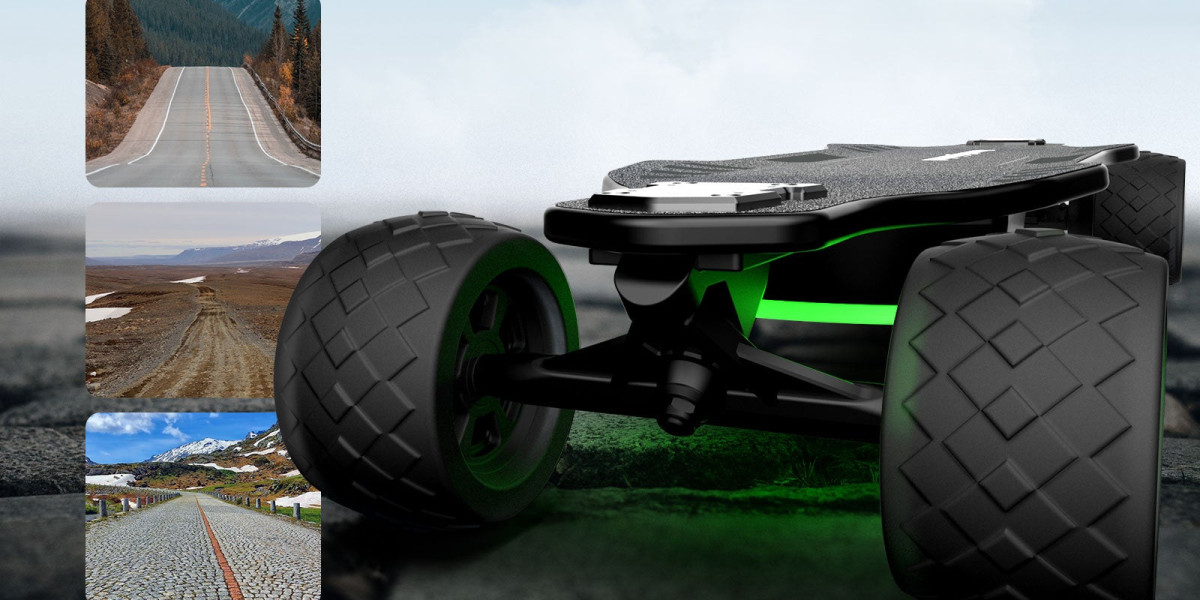
Urban transportation is undergoing a major transformation as cities around the world adopt cleaner, smarter, and more efficient mobility solutions. Electric mobility, including electric scooters, e-bikes, and electric vehicles (EVs), has become a driving force behind this change. Rising fuel costs, increasing traffic congestion, and growing environmental concerns are encouraging both individuals and businesses to embrace electric transportation. As technology continues to advance, several electric mobility trends are reshaping how people move within cities.
The Rise of Micromobility
One of the most significant trends in urban transport is the rapid growth of micromobility solutions. Electric scooters and e-bikes have become popular because they offer a convenient way to travel short distances without relying on cars or public transportation.
These compact vehicles help reduce traffic congestion while providing a cost-effective commuting option. In many cities, dedicated bike lanes and scooter-sharing programs are making electric mobility more accessible than ever. As a result, commuters can reach their destinations faster while reducing their carbon footprint.
Smart Technology Integration
Modern electric vehicles are no longer just transportation tools; they are connected devices equipped with advanced technology. Mobile applications now allow riders to monitor battery levels, track routes, lock vehicles remotely, and receive maintenance alerts.
GPS tracking and real-time diagnostics have significantly improved the user experience. Fleet operators and delivery companies can also use these technologies to optimize routes and improve operational efficiency. This trend is helping electric mobility become smarter, safer, and more user-friendly.
Expansion of Charging Infrastructure
A key factor driving electric mobility adoption is the expansion of charging infrastructure. Governments and private companies are investing heavily in charging stations to support the growing number of electric vehicles on the road.
Fast-charging technology has also improved significantly, reducing charging times and making electric transportation more practical for daily use. As charging networks continue to expand, concerns about battery range and charging accessibility are gradually decreasing.
Sustainable Urban Development
Cities worldwide are prioritizing sustainability, and electric mobility plays a vital role in achieving environmental goals. Electric scooters, e-bikes, and EVs produce fewer emissions than traditional fuel-powered vehicles, helping improve air quality in densely populated urban areas.
Many city governments are implementing low-emission zones and encouraging the adoption of electric transportation through incentives and subsidies. These policies are accelerating the transition toward cleaner and greener urban mobility systems.
Growth of Shared Mobility Services
Shared mobility services have become increasingly popular in urban environments. Scooter-sharing and bike-sharing platforms allow users to rent electric vehicles for short trips without the costs associated with ownership.
This model promotes efficient vehicle usage and reduces the number of privately owned cars on the road. Shared electric mobility solutions provide flexibility for commuters while supporting sustainable transportation initiatives.
Increasing Demand for Electric Delivery Vehicles
The rise of e-commerce and food delivery services has created a strong demand for efficient transportation options. Electric bikes and scooters are becoming essential tools for delivery professionals due to their low operating costs and ability to navigate crowded city streets.
Businesses are investing in electric delivery fleets to improve efficiency while reducing fuel expenses. Consumers looking for affordable electric mobility products can also take advantage of promotions such as the ISINWHEEL Coupon Code when purchasing high-quality electric scooters and e-bikes.
Advanced Battery Technology
Battery innovation remains one of the most important trends shaping electric mobility. Modern lithium-ion batteries offer longer range, faster charging speeds, and improved durability compared to previous generations.
Researchers are also developing next-generation battery technologies that promise even greater performance and safety. These advancements will make electric transportation more reliable and attractive for a wider range of users.
Autonomous and AI-Powered Mobility
Artificial intelligence is beginning to influence the future of urban transportation. AI-powered systems can optimize traffic flow, enhance vehicle safety, and improve route planning.
As autonomous electric vehicles continue to develop, cities may experience more efficient transportation networks with reduced congestion and fewer accidents. Although fully autonomous urban mobility is still evolving, it represents a promising direction for the future.
Conclusion
Electric mobility is fundamentally changing urban transportation by offering cleaner, smarter, and more efficient travel solutions. Trends such as micromobility, smart technology integration, expanded charging infrastructure, and advanced battery development are accelerating the adoption of electric transportation worldwide.
As cities continue to prioritize sustainability and innovation, electric scooters, e-bikes, and EVs will play an increasingly important role in shaping modern urban mobility. For individuals looking to join this movement, using the ISINWHEEL Coupon Code can provide valuable savings on quality electric mobility products while supporting a greener future.






