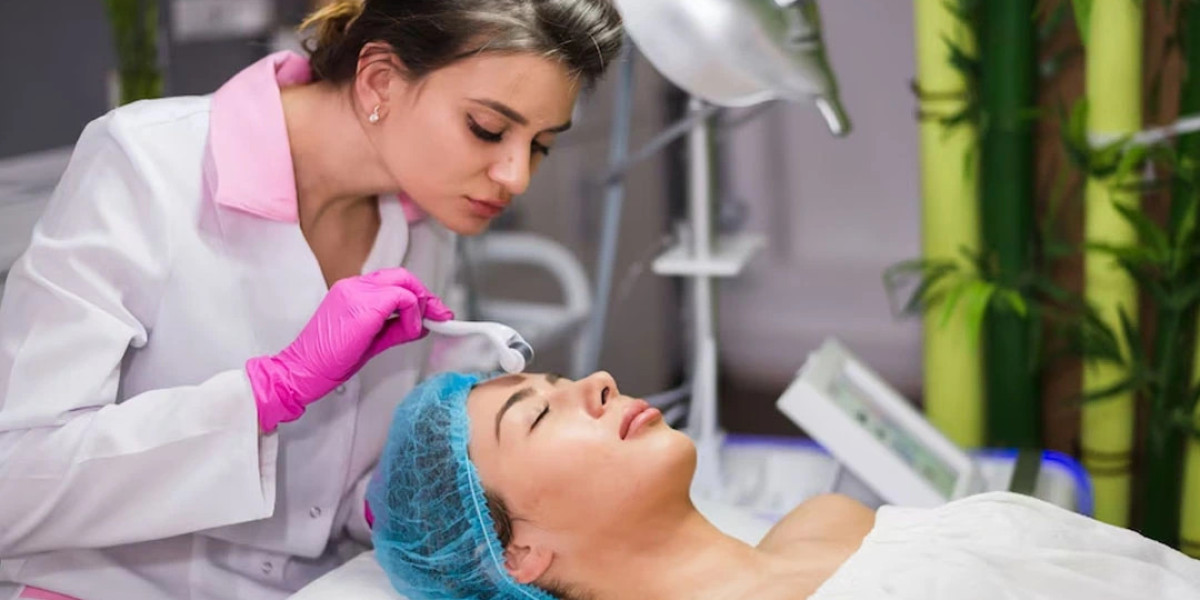
Early detection of skin cancer significantly improves treatment outcomes and survival rates. Consulting the Best Skin Doctors in Riyadh can help identify warning signs at their earliest stages and implement preventive strategies. Dermatologists are trained to examine subtle changes in the skin, use advanced diagnostic tools, and educate patients on monitoring their skin effectively to catch skin cancer before it progresses.
Understanding Skin Cancer:
Skin cancer occurs when skin cells grow uncontrollably due to DNA damage, often caused by UV radiation. Dermatologists classify skin cancer into several types, including:
Basal cell carcinoma: Slow-growing, often appearing as pearly or waxy bumps
Squamous cell carcinoma: Red, scaly patches or sores that may crust or bleed
Melanoma: Dangerous and fast-spreading, often presenting as irregular moles or dark spots
Recognizing these types helps dermatologists tailor early detection and treatment strategies.
Risk Factors for Skin Cancer:
Identifying risk factors is key to prevention. Dermatologists assess patient history and lifestyle to evaluate risk, including:
Excessive sun exposure or tanning bed use
Fair skin, light hair, and light-colored eyes
Family history of skin cancer
Presence of multiple moles or unusual birthmarks
Weakened immune system due to medical conditions or medications
Awareness of risk factors guides dermatologists in scheduling screenings and preventive care.
Visual Skin Examinations:
Regular visual examinations are the foundation of early detection. Dermatologists recommend:
Full-body skin inspections during routine checkups
Close monitoring of moles, freckles, and skin lesions
Identifying asymmetry, irregular borders, color variations, or changes in size
Educating patients on self-examinations at home
These evaluations allow for early identification of potentially dangerous lesions.
Dermoscopy and Advanced Imaging:
Dermoscopy is a non-invasive tool that improves the accuracy of skin cancer detection. Dermatologists use:
Handheld dermatoscopes to magnify and illuminate skin lesions
Digital imaging to monitor changes over time
High-resolution photographs for comparison during follow-up visits
AI-assisted analysis for suspicious lesions in specialized clinics
These tools enhance early diagnosis and reduce unnecessary biopsies.
Biopsy and Laboratory Testing:
When a suspicious lesion is identified, dermatologists perform a biopsy to confirm diagnosis. Common techniques include:
Punch biopsy: Removing a small circular section of tissue
Excisional biopsy: Removing the entire lesion for examination
Shave biopsy: Removing superficial layers for analysis
Histopathological testing to determine cancer type and stage
Prompt biopsies allow for early intervention and effective treatment planning.
Patient Education and Self-Monitoring:
Dermatologists emphasize patient involvement in early detection. Recommendations include:
Monthly self-examinations of all skin areas, including scalp, back, and soles
Using mirrors or asking for help to inspect hard-to-see spots
Noting changes in size, shape, color, or texture of moles or lesions
Keeping a record of suspicious areas with photographs
Educated patients can detect changes early and seek timely professional evaluation.
Sun Protection and Preventive Measures:
Preventing skin damage is critical to reducing cancer risk. Dermatologists advise:
Daily use of broad-spectrum sunscreen with SPF 30 or higher
Wearing protective clothing, hats, and sunglasses outdoors
Avoiding tanning beds and prolonged sun exposure
Reapplying sunscreen every two hours when outside
Using antioxidants and skincare products that support skin health
Preventive measures complement early detection strategies to minimize cancer risk.
High-Risk Groups and Special Considerations:
Certain individuals require more frequent monitoring. Dermatologists focus on:
Patients with a history of skin cancer or precancerous lesions
Individuals with numerous moles or atypical nevus syndrome
Immunocompromised patients, including transplant recipients
People with chronic sun exposure due to occupation or lifestyle
Regular screenings for high-risk groups ensure timely detection and intervention.
Role of Teledermatology:
Technology has enhanced early detection through remote consultations. Dermatologists use:
Secure photo submissions to evaluate suspicious lesions
Virtual follow-ups for monitoring changes in moles or spots
Education on proper photography and lighting for accurate assessments
Integration with in-person visits when lesions require biopsy
Teledermatology increases access to early detection for patients who cannot visit clinics frequently.
Final Thoughts:
Early detection of skin cancer saves lives by enabling timely treatment and minimizing complications. Consulting the Best Skin Doctors in Riyadh ensures comprehensive evaluation, advanced diagnostic tools, and patient education on self-monitoring. By combining routine visual examinations, dermoscopy, biopsies, preventive measures, and technology-assisted follow-ups, dermatologists can detect skin cancer in its earliest stages, providing patients with the best chance for successful outcomes and long-term skin health.