
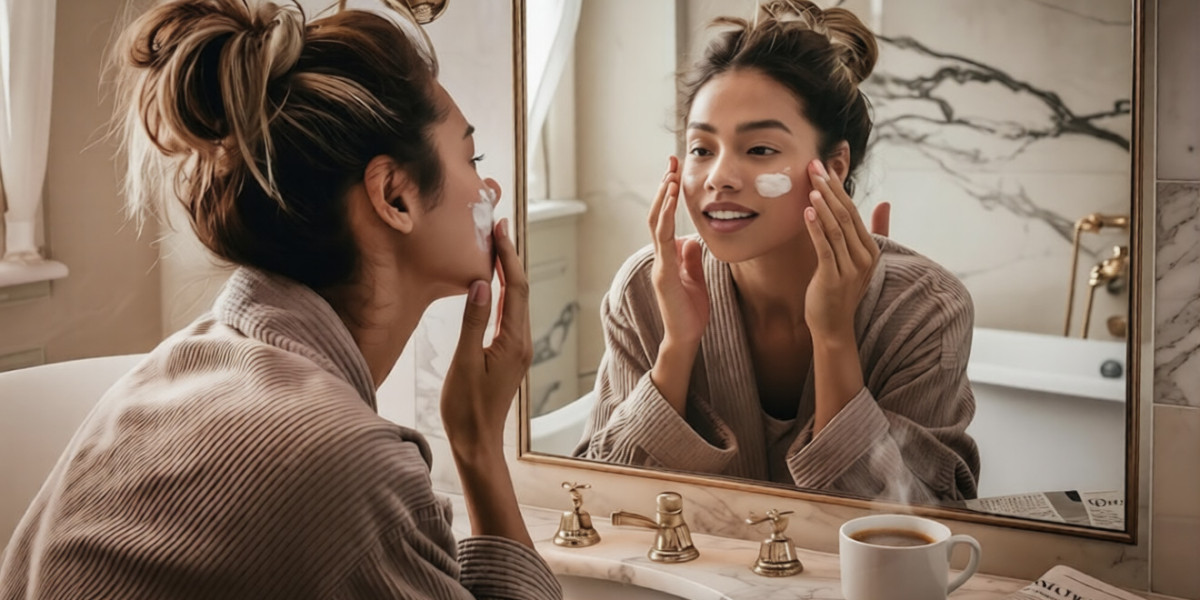
For years, skincare routines have been getting longer, more complex, and more expensive. Ten-step regimens, layered serums, actives stacked on actives, and overflowing bathroom shelves became the norm—especially with the rise of K-beauty and social media skincare trends. But recently, the beauty world has started to shift in the opposite direction. A new philosophy is taking center stage: minimal skincare, where less truly is more.
This change isn’t just about saving time or money. It’s rooted in a growing understanding of skin biology, barrier health, and the fact that overloading the skin can sometimes do more harm than good. Many people who once chased every new launch are now searching for simpler routines, ingredient transparency, and products that genuinely work. You can see this shift everywhere, from pared-down bathroom shelves to more thoughtful product reviews—like a single, focused rice toner review instead of endless product hauls.
What Is a Minimal Skincare Routine?
A minimal skincare routine is exactly what it sounds like: a simplified approach to caring for your skin using fewer products, fewer steps, and fewer active ingredients. Instead of layering multiple toners, essences, serums, and treatments, minimal skincare focuses on the essentials—cleansing, moisturizing, and protecting the skin.
At its core, this philosophy prioritizes skin health over trends. The goal isn’t to constantly “fix” the skin with new products, but to support its natural functions. Healthy skin already knows how to hydrate, exfoliate, and renew itself; minimal skincare simply removes the obstacles that prevent it from doing so.
This doesn’t mean abandoning skincare altogether. Rather, it means choosing products intentionally, understanding what your skin actually needs, and resisting the urge to add more just because something is popular online.
Why “Less Is More” Is Gaining Popularity
One major reason minimal skincare is rising in popularity is burnout. Many skincare lovers have reached a point of exhaustion—emotionally, financially, and physically. Keeping up with ever-changing routines can feel overwhelming, especially when results don’t always match expectations.
Another factor is increased awareness of skin barrier health. Dermatologists and skin experts now talk openly about how over-exfoliation, excessive actives, and constant product switching can weaken the skin barrier. A compromised barrier often leads to sensitivity, breakouts, redness, and dehydration—ironically, the very issues people are trying to fix.
Minimal skincare also aligns with broader lifestyle trends. People are embracing minimalism in fashion, home decor, and wellness, valuing quality over quantity. Skincare is simply following the same path.
The Science Behind Simplified Skincare
From a scientific standpoint, the skin barrier plays a crucial role in maintaining healthy skin. This outermost layer protects against environmental aggressors, locks in moisture, and prevents irritation. When too many products are applied—especially harsh actives or exfoliants—the barrier can become damaged.
Simplifying a routine gives the skin time to repair and regulate itself. Fewer products mean fewer chances for ingredient conflicts, allergic reactions, or over-stimulation. Consistency also matters; using a small number of well-formulated products regularly is often more effective than constantly rotating through dozens.
Research and clinical experience both suggest that many skin concerns improve when the skin is allowed to stabilize. This is why dermatologists often recommend scaling back during periods of irritation or breakouts.
Key Benefits of a Minimal Skincare Routine
One of the most obvious benefits is reduced irritation. When the skin isn’t bombarded with multiple active ingredients, it’s less likely to react negatively. This is especially helpful for people with sensitive or acne-prone skin.
Minimal skincare can also improve long-term skin health. By supporting the barrier and maintaining hydration, the skin becomes more resilient over time. Many people notice fewer breakouts, less redness, and a more even texture after simplifying their routine.
There’s also a mental benefit. A simple routine removes decision fatigue and pressure. Skincare becomes a calm, enjoyable ritual rather than a stressful checklist. And of course, fewer products usually mean lower costs, making skincare more accessible and sustainable.
Essential Products You Actually Need
While everyone’s skin is different, most minimal skincare routines revolve around a few core products.
A gentle cleanser is the foundation. It should effectively remove dirt, oil, and sunscreen without stripping the skin. Harsh cleansers can disrupt the barrier, undoing the benefits of a minimal routine.
Next is a moisturizer. This step is non-negotiable, even for oily skin types. A good moisturizer helps maintain hydration, supports barrier function, and keeps the skin balanced.
Sunscreen is another essential. Protecting the skin from UV damage is one of the most impactful skincare steps you can take. Even the most minimal routine should include daily sun protection.
Optional additions might include a hydrating toner or a single treatment product, depending on your skin’s needs. The key is intention—each product should serve a clear purpose.
Common Mistakes When Doing Too Much Skincare
One common mistake is layering incompatible ingredients. Mixing strong acids, retinoids, and exfoliants can overwhelm the skin and lead to irritation. Another issue is chasing instant results. Skin takes time to change, and constantly adding new products can interrupt progress.
Over-cleansing is another frequent problem. Washing the face too often or using aggressive cleansers can strip natural oils, triggering more oil production or dryness.
Finally, many people confuse “more” with “better.” In reality, skincare effectiveness isn’t about the number of steps—it’s about how well each step works for your skin.
How to Build a Minimal Skincare Routine for Your Skin Type
For dry skin, minimal skincare should focus on hydration and barrier support. A creamy cleanser, a rich moisturizer, and a hydrating sunscreen can go a long way. Avoid unnecessary exfoliation, which can worsen dryness.
Oily or acne-prone skin benefits from balance rather than stripping. A gentle foaming cleanser, a lightweight moisturizer, and sunscreen are essential. If needed, one targeted treatment—like a mild exfoliant used sparingly—can be added.
Sensitive skin types often thrive on minimal routines. Fewer ingredients reduce the risk of irritation. Look for fragrance-free products with soothing components, and introduce new items slowly.
The most important rule is to listen to your skin. If something causes discomfort, it’s not essential—no matter how popular it is.
Minimal Skincare vs. Multi-Step Routines
Multi-step routines aren’t inherently bad. For some people, especially those who enjoy skincare as a hobby, they can be relaxing and effective. However, they require knowledge, consistency, and careful product selection.
Minimal skincare, on the other hand, prioritizes simplicity and sustainability. It’s easier to maintain, less likely to cause irritation, and often more realistic for busy lifestyles. The “best” routine is the one you can stick to long-term without stressing your skin—or yourself.
Who Should Try a Minimal Skincare Routine?
Minimal skincare is ideal for beginners who feel overwhelmed by skincare information. It’s also beneficial for anyone experiencing unexplained breakouts, sensitivity, or dullness after trying multiple products.
People recovering from over-exfoliation or damaged skin barriers often see improvement when they scale back. Even skincare enthusiasts can benefit from occasional “reset” periods where they simplify their routine.
Ultimately, minimal skincare isn’t about restriction—it’s about intention.
Tips for Transitioning to a Less-Is-More Approach
Start by eliminating unnecessary steps rather than quitting everything at once. Give your skin time to adjust; changes often take several weeks to show results.
Keep a simple routine consistent before adding anything new. When you do add a product, introduce it one at a time so you can clearly see how your skin reacts.
Most importantly, resist the pressure of trends. Social media often promotes excess, but your skin doesn’t need everything that goes viral.
Is Minimal Skincare Here to Stay?
While trends come and go, the principles behind minimal skincare are rooted in science and self-care. As people become more informed about skin health, sustainability, and mindful consumption, simplified routines are likely to remain popular.
“Less is more” skincare isn’t about doing the bare minimum—it’s about doing what truly matters. By focusing on essentials and respecting your skin’s natural balance, you may find that fewer products lead to better, healthier skin in the long run.






