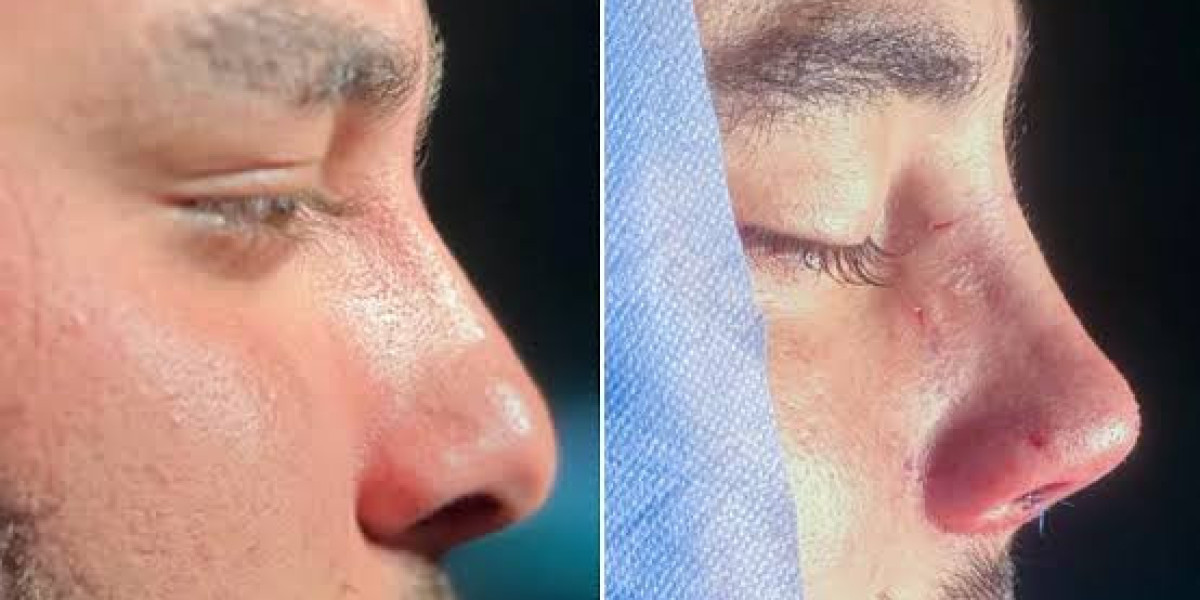
The initial 30 days after Rhinoplasty Surgery are crucial for healing, shaping results, and minimizing complications. During this period, patients experience changes in swelling, bruising, and comfort levels, and following post-operative instructions diligently is essential. Understanding what to expect day by day helps patients navigate recovery with confidence and ensures the best possible outcomes.
Days 1–3: Immediate Post-Operative Phase:
The first few days are the most critical for reducing swelling and preventing complications:
Nasal splints and dressings are in place to support structure
Mild to moderate pain and discomfort are normal; pain medications may be prescribed
Swelling and bruising around the eyes and nose are common
Cold compresses help minimize swelling and improve comfort
Keep the head elevated, even while sleeping, to reduce fluid accumulation
This phase focuses on protecting the surgical site and allowing the body to begin healing.
Days 4–7: Early Recovery Adjustments:
During this week, patients often notice gradual improvements in comfort and mobility:
Swelling and bruising may still be visible but begin to subside
Nasal splints or internal packing may be removed, depending on surgeon instructions
Light activities, like walking, can be introduced to improve circulation
Avoid strenuous activity, bending, or lifting to prevent pressure on the nose
Continue prescribed medications and follow hygiene protocols for nasal care
Early care and gentle activity support tissue repair and prevent complications.
Days 8–14: Swelling and Bruising Reduction:
By the second week, most patients see significant improvement in appearance and comfort:
External bruising typically fades, while swelling gradually decreases
Sutures may begin to dissolve or be removed if non-absorbable
Nasal breathing becomes easier as congestion reduces
Light, low-impact activities can be resumed with caution
Maintain proper nutrition, hydration, and sleep to support healing
This stage allows patients to feel more comfortable and regain confidence in daily routines.
Days 15–21: Adjusting to Post-Surgical Changes:
The third week focuses on stabilization of nasal structures and continued reduction of swelling:
Most noticeable bruising has resolved, though swelling may remain, particularly at the tip
Sensitivity and mild numbness around the nose may persist
Patients can resume gentle exercises but should avoid high-impact activities
Avoid wearing glasses or sunglasses on the bridge of the nose unless cleared by the surgeon
Continue following care instructions for cleaning and protecting the nose
Ongoing adherence to guidance ensures consistent progress toward final results.
Days 22–30: Nearing One-Month Milestones:
The final week of the first month allows patients to enjoy increased mobility and comfort:
Swelling continues to decrease, revealing the emerging shape of the nose
Most discomfort should have subsided, though some tenderness may persist
Return to work or social activities is often possible with minimal restrictions
Patients should remain cautious with physical contact and avoid trauma to the nose
Follow-up appointments with the surgeon help assess healing and address concerns
By the end of the first month, patients can observe visible progress while understanding that full results require more time.
Common Recovery Challenges in the First 30 Days:
Awareness of potential hurdles helps patients manage expectations and respond effectively:
Persistent swelling, especially at the nasal tip, is normal and gradually improves
Minor bruising or discoloration may linger beyond the first two weeks
Numbness or tingling around the nose and upper lip can occur
Congestion and mild difficulty breathing through the nose may continue
Emotional adjustments to post-surgical appearance are common
Understanding these challenges reduces anxiety and encourages patience throughout recovery.
Tips for Supporting Healing During the First Month:
Adopting supportive measures can accelerate recovery and protect surgical outcomes:
Keep the head elevated and avoid pressure on the nose while sleeping
Use cold compresses as directed to control swelling
Stay hydrated and eat a balanced, protein-rich diet for tissue repair
Avoid smoking and alcohol, which can impede healing
Follow all instructions for medication, nasal care, and physical activity restrictions
These measures help create an optimal environment for the body to recover safely and effectively.
When to Seek Medical Advice:
Monitoring for warning signs ensures prompt intervention if complications arise:
Unusual or severe pain not relieved by medication
Excessive bleeding or discharge from the surgical site
Signs of infection, such as fever or redness around the nose
Persistent difficulty breathing or sudden changes in appearance
Any concerns or questions about healing progress
Contacting the surgeon promptly ensures patient safety and prevents minor issues from becoming serious.
Final Thoughts.
The first 30 days after Rhinoplasty Surgery set the foundation for long-term results. Understanding the timeline—from immediate post-operative care to the gradual reduction of swelling and return to normal activities—helps patients navigate recovery confidently. By following surgeon instructions, managing swelling and discomfort, maintaining a healthy lifestyle, and monitoring for complications, patients can maximize healing and begin to see the benefits of their rhinoplasty safely and effectively. Patience, consistency, and careful self-care during this critical period are key to achieving optimal outcomes.