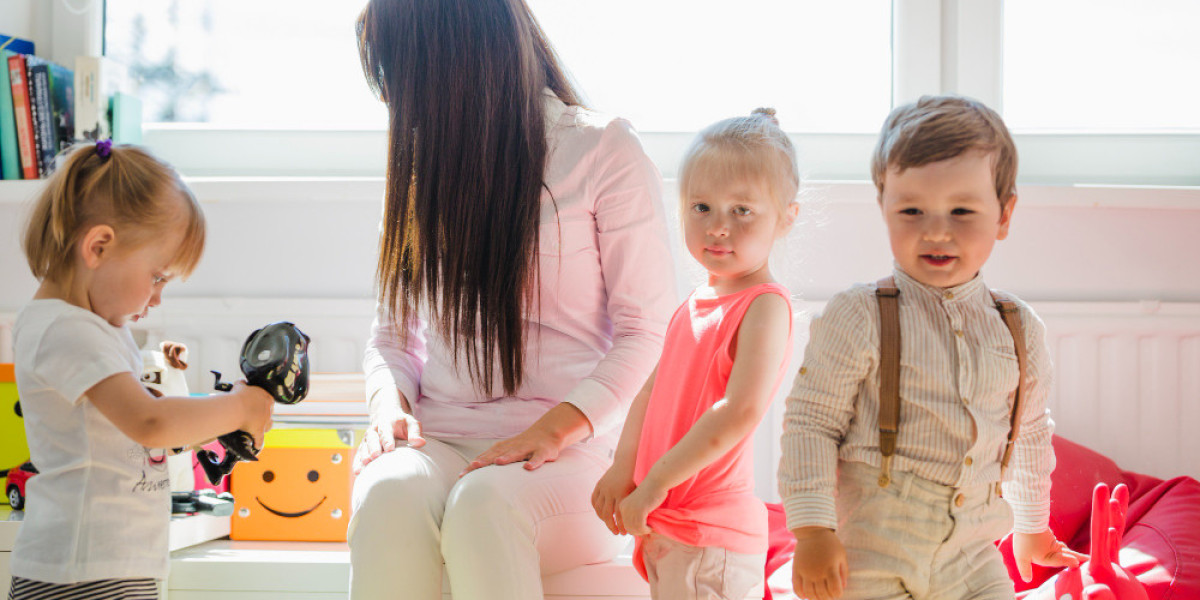
The early years of a child’s life are more than just a phase of growth—they form the foundation for lifelong learning and behavior. Preschool plays a critical role in shaping how children think, communicate, interact, and adapt to structured environments. Far beyond basic playtime, a well-designed preschool program equips children with essential academic readiness skills and social competencies that support success in school and beyond.
Understanding how preschool contributes to both academic and social development helps parents appreciate its long-term value in a child’s journey.
Building Strong Academic Foundations Early
Preschool introduces children to learning in a structured yet engaging way. Unlike informal home learning, preschool environments are designed to stimulate curiosity while gradually preparing children for formal education.
One of the most important academic benefits of preschool is early literacy development. Children are exposed to letters, sounds, vocabulary, and storytelling through songs, picture books, and guided reading activities. These experiences strengthen language comprehension and communication skills, making the transition to reading and writing in primary school much smoother.
Preschool also lays the groundwork for early numeracy. Simple activities such as counting objects, identifying shapes, recognizing patterns, and sorting items help children understand basic mathematical concepts. These hands-on experiences make abstract ideas easier to grasp later in school.
Equally important is the development of cognitive skills. Preschool activities encourage children to think critically, ask questions, solve problems, and make decisions independently. Whether it is completing puzzles, participating in group projects, or exploring cause-and-effect through play, children learn how to process information and apply logic.
Developing Attention, Routine, and Learning Habits
Academic success depends not only on knowledge but also on learning behavior. Preschool helps children develop focus, patience, and the ability to follow instructions—skills that are essential in any classroom.
Daily routines teach children structure and time management. Scheduled activities such as circle time, creative play, snack breaks, and story sessions help children understand expectations and transitions. Over time, this consistency builds discipline and reduces anxiety about new environments.
Preschool also encourages children to complete tasks independently. Simple responsibilities like putting away toys, finishing an activity, or following classroom rules build confidence and accountability. These habits prepare children to manage assignments and classroom expectations in higher grades.
Encouraging Social Interaction and Communication
Social development is one of the most significant benefits of preschool education. For many children, preschool is their first experience interacting regularly with peers outside the family.
Through group activities, children learn how to communicate their needs, express emotions, listen to others, and participate in conversations. They develop vocabulary not only for academics but also for emotions, helping them articulate feelings in a healthy way.
Preschool also teaches children how to work as part of a group. Activities such as group games, collaborative art projects, and shared play help children understand cooperation, turn-taking, and teamwork. These experiences are essential for building positive peer relationships in later school years.
Teaching Emotional Intelligence and Self-Regulation
Preschool environments play a vital role in emotional development. Children learn how to recognize their emotions and respond appropriately to different situations.
With guidance from trained educators, children begin to understand concepts such as empathy, kindness, and respect. They learn how their actions affect others and how to respond when conflicts arise. Simple interactions, such as resolving disagreements during playtime, teach problem-solving and emotional control.
Preschool also helps children develop self-regulation skills. Managing excitement, frustration, or disappointment in a supportive environment helps children build emotional resilience. These skills are essential not only for academic success but also for long-term mental well-being.
Building Confidence and Independence
A preschool setting encourages children to explore, experiment, and take initiative. When children successfully complete activities on their own, it boosts their self-esteem and sense of achievement.
Teachers provide encouragement and constructive feedback, helping children feel safe to try new things without fear of failure. This positive reinforcement builds confidence and a love for learning.
Preschool also promotes independence by allowing children to make choices—such as selecting activities or expressing preferences. These small decisions help children develop autonomy and self-confidence, preparing them for greater responsibilities in school.
Preparing Children for a Smooth Transition to School
One of the greatest advantages of preschool is how it prepares children for the structure of formal education. Children who attend preschool are often more comfortable with classroom routines, teacher instructions, and peer interactions.
They are familiar with sitting in groups, raising hands, following schedules, and participating in organized learning. This familiarity reduces stress and helps children adjust quickly when they enter primary school.
Academically, preschoolers tend to have stronger foundational skills in language, numbers, and problem-solving. Socially, they are better equipped to form friendships, communicate effectively, and manage classroom behavior.
Long-Term Impact on Academic and Life Success
Research consistently shows that children who attend quality preschool programs are more likely to perform well academically in later years. They often demonstrate stronger reading and math skills, better attention spans, and improved classroom behavior.
Beyond academics, preschool influences long-term social success. Children who learn emotional intelligence, cooperation, and communication early are better prepared to navigate relationships and challenges throughout life.
Preschool does not simply prepare children for school—it prepares them for life by nurturing curiosity, confidence, and character.
Conclusion
Preschool plays a vital role in shaping a child’s academic readiness and social development. Through structured learning, guided play, and positive social interactions, children gain essential skills that support success in school and beyond.
From Play to Purpose: How Flight Early Learning Curriculum Shapes Young Minds
Day care vs Home Care for Toddlers: Making the Right Choice