
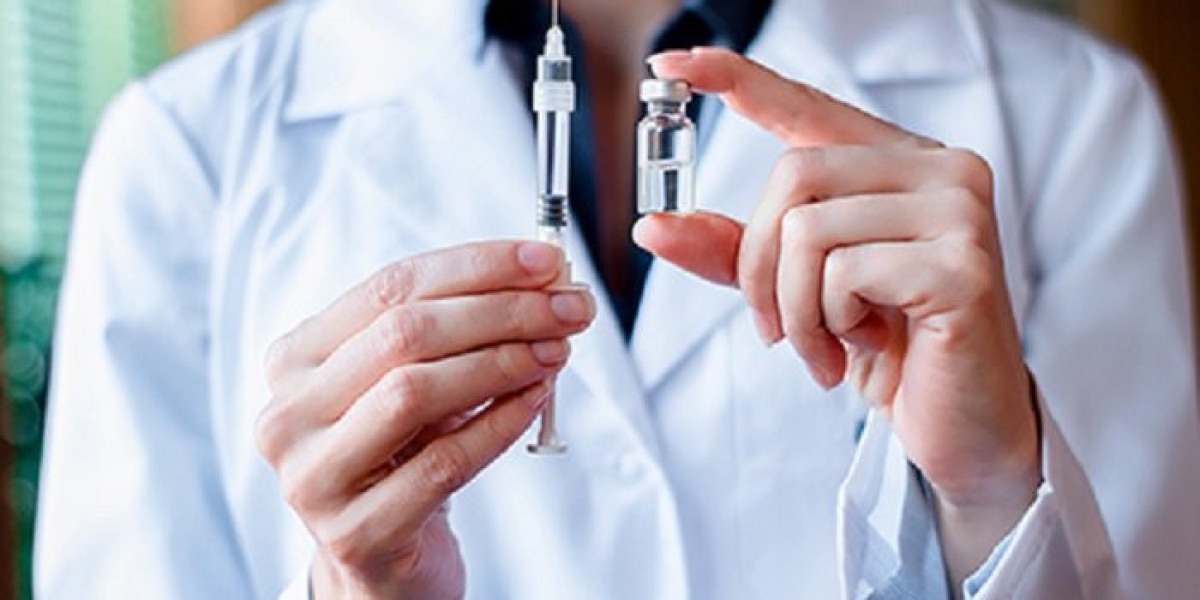
Vaccines have transformed modern healthcare by preventing millions of illnesses and saving countless lives around the world. They play a critical role in protecting individuals, families, and communities from serious infectious diseases. At First Care Family Clinic, healthcare professionals emphasize the importance of Vaccinations as one of the safest and most effective ways to support long-term health. Understanding how vaccines work can help individuals make informed decisions about protecting themselves and their loved ones.
Understanding the Immune System
The immune system is the body's natural defense network against harmful germs such as viruses, bacteria, and other pathogens. It consists of specialized cells, tissues, and organs that work together to identify and destroy invaders before they cause serious illness.
When a harmful microorganism enters the body for the first time, the immune system recognizes it as a threat and begins producing antibodies. These antibodies are proteins designed to attack and neutralize specific germs. While this process is effective, it often takes time, allowing the illness to develop and potentially cause complications.
One of the remarkable features of the immune system is its ability to remember previous infections. Once the body successfully fights off a disease, immune memory cells remain in the system, helping the body respond much faster if the same pathogen is encountered again.
What Are Vaccinations?
Vaccinations are medical preparations designed to train the immune system to recognize and fight specific diseases without causing the actual illness. Vaccines contain weakened, inactive, or carefully modified parts of a virus or bacteria that stimulate an immune response.
Rather than exposing the body to the dangers of a full infection, vaccines safely introduce the immune system to a harmless version or component of the pathogen. This allows the body to build protection while avoiding severe symptoms and complications associated with the disease itself.
Over the years, vaccines have helped reduce or eliminate many dangerous illnesses that once caused widespread suffering. Diseases such as polio, measles, and whooping cough have become far less common in communities with strong vaccination programs.
How Vaccinations Build Immune Protection
When a vaccine is administered, the immune system recognizes the vaccine components as foreign substances. Although these components cannot cause the disease in healthy individuals, they are enough to trigger an immune response.
The body immediately begins producing antibodies specifically designed to identify and fight the targeted pathogen. At the same time, immune cells learn how to recognize the threat in the future. This process creates a form of immune memory that can last for years or even a lifetime, depending on the vaccine.
If the vaccinated individual later encounters the actual virus or bacteria, the immune system can respond rapidly. Because it already knows how to fight the infection, the body can often prevent illness entirely or significantly reduce its severity.
Why Immune Memory Matters
Immune memory is one of the most important benefits of vaccination. Without prior exposure or vaccination, the immune system may require several days to mount an effective defense against a new infection. During this time, the disease can spread and cause significant symptoms.
Vaccines provide the immune system with advance training. This preparation allows memory cells to recognize specific pathogens immediately. As a result, the body can launch a faster and stronger response, reducing the likelihood of serious illness.
This protective effect is particularly important for diseases that can cause severe complications, hospitalization, or long-term health problems. By creating immune memory before exposure occurs, vaccines help individuals stay healthier and recover more quickly if they encounter the disease.
Types of Vaccines and Their Benefits
Different vaccines are developed using different scientific approaches, but all aim to strengthen the body's defenses.
- Inactivated Vaccines
These vaccines contain killed versions of germs that cannot reproduce or cause disease. They safely stimulate immunity while providing reliable protection against infections. - Live Attenuated Vaccines
These vaccines use weakened forms of viruses or bacteria. Because they closely resemble natural infections, they often create strong and long-lasting immune responses. - Protein-Based Vaccines
These vaccines contain only specific parts of a pathogen, such as proteins found on its surface. They help the immune system recognize important targets without exposing the body to the entire germ. - mRNA Vaccines
This modern technology teaches cells how to produce a harmless protein that triggers an immune response. The immune system then learns how to recognize and fight the actual pathogen if exposed later.
Each vaccine type undergoes extensive testing and monitoring to ensure safety and effectiveness before being recommended for public use.
The Role of Vaccinations in Preventive Healthcare
Preventive healthcare focuses on stopping diseases before they occur rather than treating them after they develop. Vaccinations are among the most successful preventive healthcare tools available today.
By reducing the risk of infection, vaccines help individuals avoid missed workdays, hospital visits, and serious medical complications. They also contribute to lower healthcare costs and improved quality of life.
Regular immunization schedules are carefully designed based on scientific research and disease risk. Following recommended vaccination schedules ensures that individuals receive protection at the most appropriate stages of life.
Community Protection and Herd Immunity
Vaccines do more than protect individuals. They also help protect entire communities through a concept known as herd immunity.
When a large percentage of a population is vaccinated, disease transmission becomes much more difficult. This reduces the likelihood of outbreaks and helps safeguard vulnerable individuals who may not be able to receive certain vaccines due to medical conditions.
Infants, older adults, and people with weakened immune systems often rely on community protection to reduce their exposure to dangerous diseases. High vaccination rates create a safer environment for everyone.
Common Myths About Vaccinations
Despite overwhelming scientific evidence supporting vaccines, several misconceptions continue to circulate.
One common myth is that vaccines weaken the immune system. In reality, vaccines strengthen immunity by teaching the body how to recognize and fight specific diseases more effectively.
Another misconception is that natural infection is always better than vaccination. While natural infections can produce immunity, they also carry significant risks, including severe illness, long-term complications, and even death. Vaccination provides protection without exposing individuals to these dangers.
Some people also worry about vaccine safety. Vaccines undergo rigorous testing, continuous monitoring, and strict regulatory review to ensure they meet high safety standards before being approved.
Vaccinations Across Different Stages of Life
Vaccination needs change throughout life. Infants receive vaccines that protect them during their most vulnerable years. School-age children receive boosters that strengthen immunity and maintain protection.
Teenagers may receive additional vaccines to guard against diseases that become more relevant during adolescence. Adults also benefit from vaccines, including annual flu shots and other recommended immunizations based on age, health conditions, occupation, and travel plans.
Older adults often require additional protection because immune function naturally changes with age. Staying up to date with recommended vaccines remains an important part of healthy aging.
The Long-Term Benefits of Staying Vaccinated
The benefits of vaccination extend far beyond immediate disease prevention. Vaccines help reduce the spread of infections, protect vulnerable populations, and support healthier communities.
Individuals who stay current with recommended immunizations often experience fewer serious illnesses and lower risks of complications from vaccine-preventable diseases. They also contribute to public health efforts that protect future generations.
As medical science continues to advance, new vaccines are being developed to address emerging health threats and provide even greater protection against infectious diseases.
Conclusion
Understanding how Vaccinations strengthen the body's immune system highlights why they remain a cornerstone of modern healthcare. By training the immune system, creating immune memory, and reducing the spread of infectious diseases, vaccines provide safe and effective protection for people of all ages. At First Care Family Clinic, patients are encouraged to stay informed about recommended immunizations and take proactive steps to protect their health. Vaccination is not only an investment in personal well-being but also a commitment to building healthier and safer communities.
FAQs
1. How do vaccinations help the immune system?
Vaccinations train the immune system to recognize and fight specific diseases by creating antibodies and immune memory without causing the illness itself.
2. Are vaccines safe?
Yes. Vaccines undergo extensive research, clinical trials, and ongoing monitoring to ensure they meet strict safety standards.
3. Can vaccinated people still get sick?
In some cases, yes. However, vaccinated individuals usually experience milder symptoms and are less likely to develop serious complications.
4. Why are booster shots important?
Booster shots help strengthen immunity over time and maintain protection against certain diseases as immune responses naturally decrease.
5. Do adults need vaccinations too?
Yes. Adults may require routine vaccines, boosters, travel-related vaccines, and immunizations recommended based on age and health conditions.






