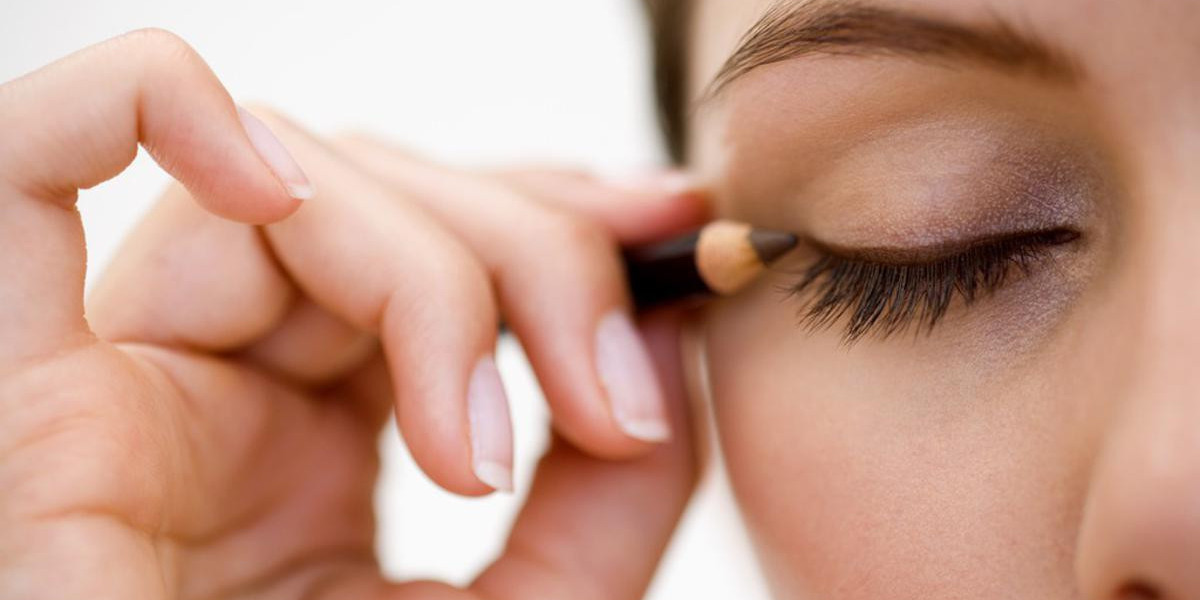
Eyeliner or kohl has a history that’s over 5000 years old, and it’s been applied for reasons that include beauty, ritual, and protection from elements. While ancient recipes included some questionable ingredients, such as crushed stone and ash, when scientists tested Kohl samples in the 1990s, eyeliner ingredients they discovered that over a third of the samples contained dangerous levels of lead.
People were applying this dangerous chemical directly to their waterline.
It’s easy to imagine that replacing your traditional cosmetics with modern, long-lasting eyeliners is a solution. However, many mainstream eyeliners contain other harmful ingredients that can be absorbed into the body and affect your health.
This blog contains a list of harmful eyeliner ingredients, why they are used in eye makeup, and reasons for avoiding them. The list also includes there common derivatives and alternate names.
Why safe makeup matters?
Let's first begin by decoding a list of the common risks associated with harmful eyeliner ingredients, so you can make more informed choices at the makeup counter:
|
|
|
|
|
|
|
|
|
|
|
|
|
|
|
|
Here’s a list of the most common unsafe ingredients found in eyeliners. Look out for them or their chemical derivatives in ingredient lists.
Parabens
This family of chemicals is used as a preservative to prevent the growth of bacteria and mold in eyeliner.
Names to look out for:
- Methylparaben
- Propylparaben
- Butylparaben
- Ethylparaben.
Why are they harmful?
Parabens behave like estrogen inside the body and can act as endocrine disrupters.
Benzalkonium Chloride (BAK)
This is also used as a preservative in eye makeup such as eyeliner.
Names to look out for:
- Quaternium-15
- Guar hydroxypropyltrimonium
Why is it harmful?
This chemical damages the topmost layer of cells in the eye, increasing the risk of infection and irritation.
BHA & BHT
Stock photo of similar logos
These chemicals extend the shelf life of eyeliners by slowing down or preventing oxidation.
Names to look out for:
- Butylated hydroxyanisole
- Butylated hydroxytoluene
- Why is it harmful?
These two chemicals are linked to a range of health issues. They act as endocrine disrupters and carcinogens. They are also known to irritate and damage organ tissue and linked to reproductive toxicity.
Phthalates
These petroleum based chemicals improve shelf life and help create a plastic like, water proof texture.
Names to look out for:
- Dibutylphthalate (DBP)
- Dimethylphthalate (DMP)
- Diethylphthalate (DEP)
Why is it harmful?
Phthalates act as endocrine disrupters and may cause reproductive toxicity. They are often hidden in ingredient lists under the catch-all term of ‘fragrance’ or ‘parfum’.
Formaldehyde
Stock photo of formaldehyde
Formaldehyde and different formaldehyde releasing chemicals are used as preservatives in eyeliners as they prevent bacterial growth.
Names to look out for:
- DMDM hydantoin
- Urea
- Quaternium-15
Why is it harmful?
These chemicals can cause allergic reactions such as ACD especially in people with sensitive eyes [Sensative eyes? How to choose an eyeliner that wont irritate] and skin.
Heavy Metals
Some eyeliners, especially traditional ones sometimes contain heavy metals such as lead, mercury and aluminium compounds.
Names to look out for:
- Aluminum Chloride
- Lead sulfide
- Galena
Why is it harmful?
These ingredients can result in neurotoxicty and lead especially can damage the brain, heart and other body parts.
Octinoxate
Stockphoto of woman in the sun
This chemical is typically used as a UV filter in cosmetics including eyeliners.
Names to look out for:
- Methoxycinnamate (OMC),
- Parsol
- Escalol
Why is it harmful?
Octinoxate is a possible endocrine disruptor and can mimic the thyroid function. It is quickly absorbed in the skin and can cause allergic reactions.
Retinyl Palmitate
This vitamin A derivative that is used for it’s anti-aging and skin conditioning properties.
Why is it harmful?
This chemical can increase sun senisiticity and cause allergic reactions. Vitamin A derivatives are harmful for pregnant women and nursing mothers.
Ethanolamines
These chemicals act as emulsifiers and Ph adjusters.
Names to look out for:
- Diethanolamine (DEA)
- Triethanolamine (TEA)
Why is it harmful?
DEA is a well- known irritant and ethanolamines in general can react with other chemicals in the product to produce nitrosamines which are dangerous carcinogens.
FAQs
Where can I learn more about an ingredient in my eyeliner?
Apps like the Yuka App, INCI Beauty Scanner, INCI decoder, and EWG’s website let you instantly decode ingredient lists and find detailed information about individual components.
Does non-toxic also mean the ingredient is halal?
Non-toxic ingredients may come from non-halal, animal based sources so it is important to check labels.
What kind of eyeliner can I apply to my water line?
Use only non-toxic, soft pencil eyeliners[eye makeup pillar article] for your waterline. Waterproof liquid eyeliners can block the oil producing glands of the eye.
How often should I replace my eyeliner?
Replace liquid eyeliner after 3 to 6 months and pencil eyeliners if their color, texture, or smell changes. Throw away your eyeliner immediately if it causes an infection.
What does Ophthalmologist tested mean?
This label means that the product has been tested to be safe for use on the skin and eyes under the supervision of an eye doctor.
Conclusion
The eyes are a very delicate organ, and sight is one of the five major senses that help people navigate the world. Makeup lovers need to be sure of the chemicals that they are applying close to their eyes to keep them healthy. Long lasting heavy duty makeup can be the biggest culprit, and this blog will help eyeliner aficionados understand ingredient lists so they can choose the safest products for their eye looks.
The Safest Eyeliner
The Haya Beauty Smudgeproof and Waterproof eyeliner has a very short list of safe, halal, and non-toxic ingredients that promise comfortable wear and complete peace of mind, perfect for those 8-hour makeup looks.
##Sources
- Butylated Compounds - A CSC article on the dangers of butylated compounds in makeup and other personal care products.
- Sensative eyes? How to choose an eyeliner that wont irritate - An article on choosing the best eyeliner for sensitive eyes.
- Toxic chemicals may be hiding in traditional eyeliners - University of Washington, School of Public Health article on lead in traditional eyeliners.
- Eye Makeup Pillar article link - A complete guide on eye makeup, including types of products, their differences, their finishes, and a brief guide on application