
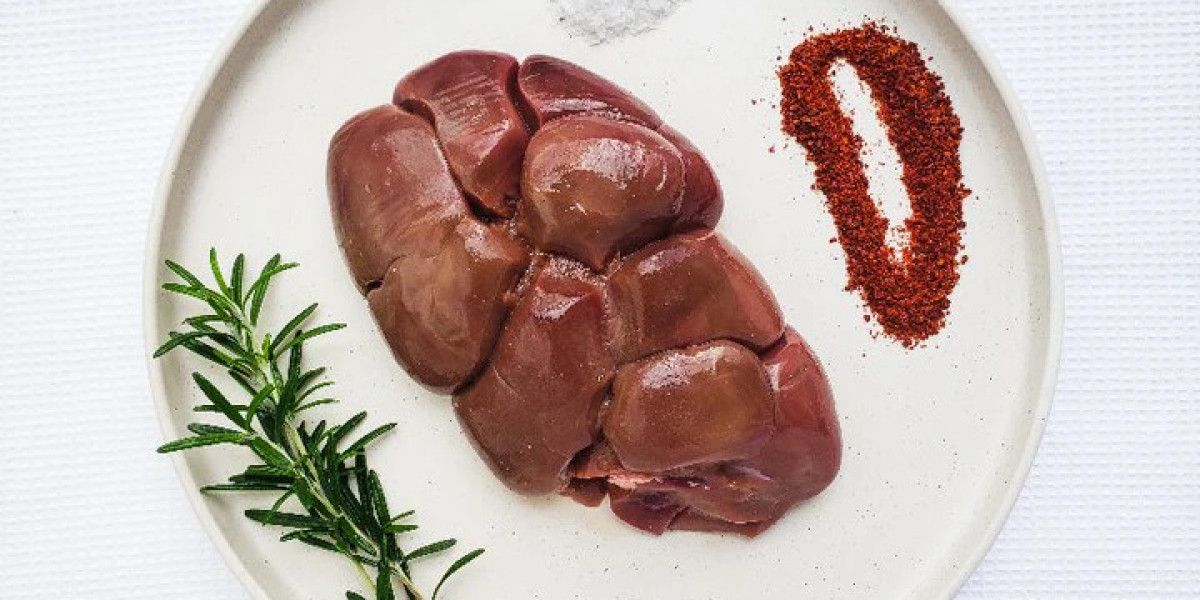
Qurbani meat is a blessed source of nutrition during Eid, but improper handling can lead to spoilage, bacterial growth, and loss of flavor. To enjoy this precious protein safely, it’s essential to store, preserve, and handle the meat carefully. This guide offers practical, hygienic, and scientifically-backed methods to ensure your Qurbani meat remains fresh, safe, and healthy for consumption over an extended period.
- Understand the Importance of Proper Qurbani Meat Storage
The handling and storage of Qurbani meat directly impact its safety and taste. Meat is highly perishable and prone to bacterial contamination if left at room temperature. Maintaining hygiene during cutting, transporting, and storing meat is crucial. Proper storage preserves not only freshness but also essential nutrients like proteins, iron, and vitamins, ensuring that every meal remains wholesome and safe for the family.
- Use Hygienic Cutting and Handling Practices
Before storage, Qurbani meat must be handled under strictly hygienic conditions. Always wash hands thoroughly, use sanitized knives, and clean cutting surfaces. Avoid cross-contamination by using separate boards for meat and other food items. Cutting meat into manageable portions before storage allows for easy thawing and prevents repeated exposure of the entire batch to bacteria.
- Refrigeration: Short-Term Storage Solution
For immediate consumption, refrigerating Qurbani meat is the safest option. Meat should be kept at a temperature of 0–4°C (32–39°F) in the coldest section of your fridge. Wrap the meat tightly in airtight containers or vacuum-sealed packs to prevent moisture loss and exposure to air, which can cause spoilage. Refrigerated meat is best consumed within 3–5 days to ensure safety and optimal taste.
- Freezing: Long-Term Preservation of Qurbani Meat
Freezing is ideal for preserving meat for several months without compromising nutritional value. For best results:
- Portioning: Divide meat into meal-sized portions before freezing.
- Vacuum Sealing: Remove air from packs to prevent freezer burn.
- Labeling: Always label packs with the date of freezing to track freshness.
- Temperature: Maintain a freezer temperature of -18°C (0°F) or lower.
Frozen Qurbani meat can remain safe for 6–12 months if handled correctly, retaining flavor, texture, and nutrients.
- Marination for Flavor and Preservation
Marinating Qurbani meat not only enhances taste but also extends shelf life. Use ingredients like yogurt, lemon juice, vinegar, or spices with antimicrobial properties. Acidic marinades slow bacterial growth while keeping the meat tender. Always marinate in a refrigerated environment and consume within 24–48 hours for best results. Avoid leaving marinated meat at room temperature, which can encourage bacterial proliferation.
- Avoid Room Temperature Storage for Extended Periods
One of the most common mistakes is storing meat at room temperature for long hours. Bacteria multiply rapidly between 5°C and 60°C (41°F–140°F), known as the danger zone. To minimize risk:
- Never leave meat out for more than 2 hours.
- During hot weather, reduce this time to 1 hour.
- Always transport meat in insulated containers if moving from the butcher to home.
Following these steps ensures the meat remains safe and delicious.
- Safe Thawing Methods for Frozen Qurbani Meat
Thawing meat safely is critical to prevent bacterial growth. Never thaw meat on the kitchen counter. Instead, use these methods:
- Refrigerator Thawing: Place meat in the fridge 24–48 hours before cooking.
- Cold Water Method: Submerge meat in cold water in a sealed bag, changing water every 30 minutes.
- Microwave Thawing: Suitable only if cooking immediately afterward.
Safe thawing ensures meat remains nutritious and free from harmful bacteria.
- Portioning and Packaging for Easy Access
Organizing Qurbani meat into small portions helps avoid repeated thawing and refreezing, which degrades quality. Use airtight containers, freezer-safe bags, or vacuum packs to maintain flavor and moisture. Consider separating different cuts, like mince, steaks, or ribs, for convenient meal preparation. Proper packaging protects meat from odors and prevents freezer burn.
- Monitor and Maintain Hygiene During Storage
Even in cold storage, maintaining hygiene is vital. Regularly clean the fridge or freezer and avoid overcrowding, which can impede airflow and proper cooling. Always wash hands before handling meat, and sanitize surfaces and utensils. These practices reduce the risk of contamination and ensure the meat remains safe until consumed.
- Book Online Appointment with the Best Nutritionist via Instacare
To get expert guidance on portion control, meal planning, and nutrient-rich recipes using Qurbani meat, consider booking an appointment with a certified nutritionist via Instacare. A nutritionist can help you:
- Plan balanced meals using Qurbani meat.
- Understand safe portion sizes for adults and children.
- Maintain a healthy diet while enjoying festive meals.
- Learn preservation tips customized to your household needs.
Consulting a professional ensures you maximize the health benefits of Qurbani meat safely and effectively.
5 Frequently Asked Questions (FAQs)
- How long can Qurbani meat be safely kept in the fridge?
Refrigerated Qurbani meat should be consumed within 3–5 days. Always store in airtight containers or vacuum packs. - Can I refreeze meat after thawing?
Refreezing is not recommended unless the meat was thawed in the refrigerator and kept below 4°C. Frequent freezing degrades quality. - Is marinated meat safer to store?
Marination slows bacterial growth but must still be refrigerated. Acidic ingredients like lemon or vinegar help preserve the meat. - How do I prevent freezer burn?
Use vacuum sealing or tightly wrap meat in freezer-safe packaging. Avoid leaving air pockets, which lead to dehydration and freezer burn. - Can children safely consume stored Qurbani meat?
Yes, as long as it’s properly stored, cooked thoroughly, and handled hygienically. Portion control is also important for kids’ nutrition.






