
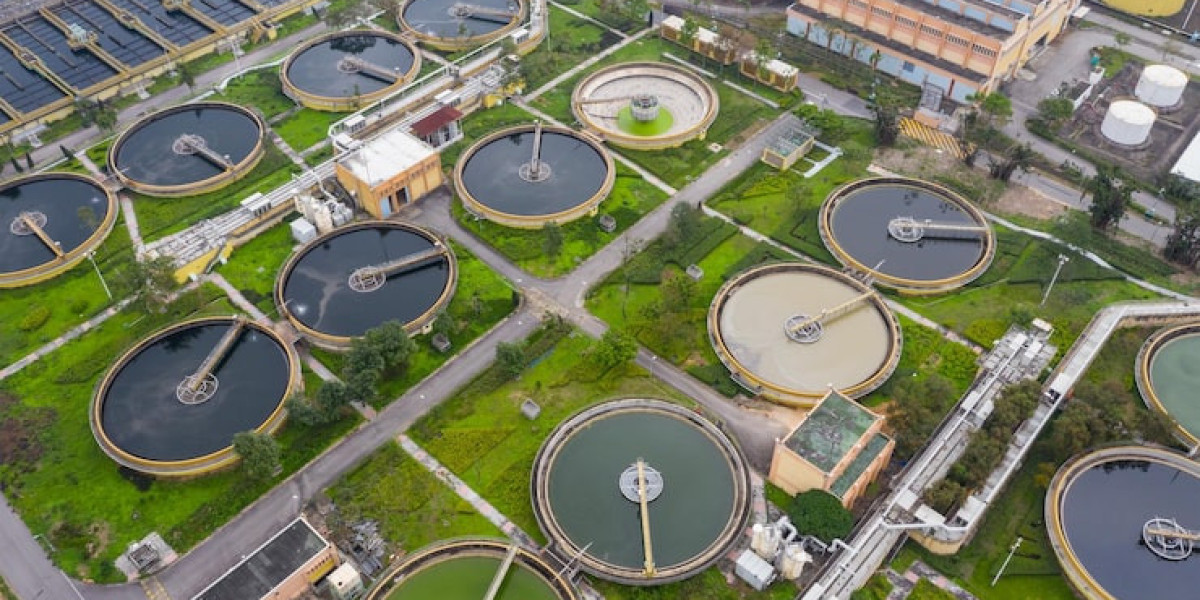
Industrial manufacturing processes inevitably generate high volumes of polluted effluent that requires intensive purification before environmental discharge or recycling. Achieving optimal solid-liquid separation represents the core operational milestone within modern industrial and municipal wastewater plants. Wuxi Yosun Environmental Protection Equipment Co.,Ltd. designs highly engineered solutions like the high-rate settling tank to dramatically accelerate gravity separation. Integrating these high-efficiency clarifiers mitigates the footprint demands and massive structural costs tied to conventional, large-scale, flat-bottom sedimentation basins.
Understanding the Operational Dynamics of Modern Separation Units
Defining the Lamella Plate Clarifier Structure
A lamella clarifier is a highly compact, specialized water treatment system engineered to maximize suspended solids removal by incorporating a dense series of parallel inclined plates. These structural plates effectively divide the inner volume of the settling tank into multiple isolated, shallow sedimentation layers. This specific configuration allows incoming suspended particles to settle quickly over short vertical distances rather than sinking through the full depth of a standard open pool.
Core Mechanical Components and Flow Distribution
The fundamental components of this advanced separation system include an automated chemical dosing unit, a raw influent feed channel, a bottom sludge hopper, and an upper effluent launder collection system. Flocculated water flows evenly into the base of the structured settling tank through a specialized water distribution channel designed to minimize hydraulic turbulence. As the liquid enters, its upward velocity drops rapidly, changing from turbulent advection to a steady, laminarly controlled rise between the inclined plate packs.
Decoding the Physics Behind High-Rate Inclined Plate Sedimentation
The Fundamentals of Hazen’s Shallow Pond Theory
The exceptional engineering design of these high-rate separation units relies directly upon the classic physics of Hazen's shallow pond theory. This fundamental hydraulic principle states that a settling tank achieves its maximum particle removal efficiency based primarily on its total horizontal settling surface area rather than its total liquid volume or physical depth. By partitioning a deep chamber into numerous thin, stacked individual layers, the effective surface area multiplies exponentially while the overall physical equipment footprint remains incredibly small.
Optimizing Velocity, Plate Angles, and Laminar Fluid Flows
To guarantee complete separation, the structural inclination angle of the embedded internal plate modules is precisely manufactured at a fixed 60-degree slant. Maintaining this critical 60-degree angle ensures that accumulated sludge continuously slides down the slick surfaces via gravity into the lower collection hopper without causing blockages. This continuous self-cleaning movement allows the rising clarified wastewater within the settling tank to transform perfectly from a disruptive, mixing turbulent flow into a highly uniform, peaceful laminar rising stream.
Comparing Lamella Units with Traditional Sedimentation Basins
Traditional open sedimentation basins require a massive surface area and hours of retention time because heavy particles must traverse a significant vertical distance to reach the basin floor. Conversely, a compact lamella settling tank achieves identical or superior clarified water quality while utilizing a physical footprint that is up to 80% smaller than a flat-bottomed basin. The dense arrangement of staggered plate assemblies creates a significantly longer effective settling path, which dramatically enhances particle collision and separation dynamics.
Key Technical Advantages of Advanced Lamella Clarifiers
- Exponential Surface Load Capacity: Offers surface loading rates 2 to 4 times greater than traditional open-air clarifiers.
- Minimized Structural Footprint: The ultra-compact, modular footprint allows for seamless integration into existing treatment plants with tight spatial limitations.
- Advanced Hydrodynamic Distribution: Features a proprietary water distribution layout that eliminates short-circuiting and hydraulic channeling.
- Continuous Online Maintenance Support: Offers built-in online backwashing capabilities to wash away sticky biological sludge formations during active operations.
- Heavy-Duty Scraper Mechanisms: Equipped with an automated mechanical bottom mud scraper to prevent sludge compaction and thick crust formation.
Industrial and Municipal Fields of Application
Heavy Industrial and Petrochemical Wastewater Applications
Industrial manufacturing operations, such as chemical plants, petroleum refineries, and steel mills, generate complex streams filled with dense particulate matter, heavy metals, and emulsified oils. Utilizing a robust lamella-equipped settling tank allows these industrial facilities to consistently remove high-density grit and chemical precipitates before secondary treatment loops. The durable stainless steel construction options (such as Grade 304 or 316) protect the internal plate modules from corrosive chemical breakdown.
Textile Dyeing and Paper Mill Process Water Purification
Textile dyeing facilities and pulp processing mills generate incredibly high volumetric flows containing vast amounts of fibrous matter, organic colorants, and colloidal suspensions. Implementing an automated, high-rate settling tank ensures rapid chemical coagulation, floc aggregation, and rapid separation of fine cellulose fibers and pigments. Efficient primary clarification reduces the total suspended solids load sent to downstream biological processes, keeping aeration tanks operating at optimal food-to-microorganism ratios.
Municipal Sewage and River Remediation Projects
Municipal wastewater treatment plants deploy these specialized clarification systems during primary sedimentation stages to drop out heavy inorganic materials, and during secondary stages to capture activated biomass. Additionally, regional environmental authorities utilize the portable, modular settling tank configuration for direct river and lake remediation projects to treat heavy stormwater runoff and sudden silt influxes. This versatile application prevents downstream eco-systems from experiencing severe choking sedimentation and destructive nutrient loading.
Detailed Equipment Design, Customization, and Manufacturing Process
Achieving flawless water clarity through inclined plate separation requires careful management of upstream chemical conditioning and active flocculation processes. Raw industrial wastewater must be treated with precise dosages of inorganic coagulants and organic polymeric flocculants to neutralize surface charges on fine colloidal particulates. The resulting micro-flocs grow into heavy, macro-sized particle groups that rapidly drop out when exposed to the laminar zones of the settling tank.
Conclusion
Industrial operators must invest in reliable, space-saving purification technologies to satisfy increasingly strict environmental discharge regulations while keeping capital expenditures low. Wuxi Yosun Environmental Protection Equipment Co.,Ltd. provides field-proven solid-liquid separation solutions by mastering shallow pond sedimentation mechanics within a ruggedly built, customizable package. Integrating an advanced lamella settling tank guarantees reliable effluent compliance, decreases operational overhead, and delivers unparalleled fluid processing efficiency across diverse industrial sectors.






