
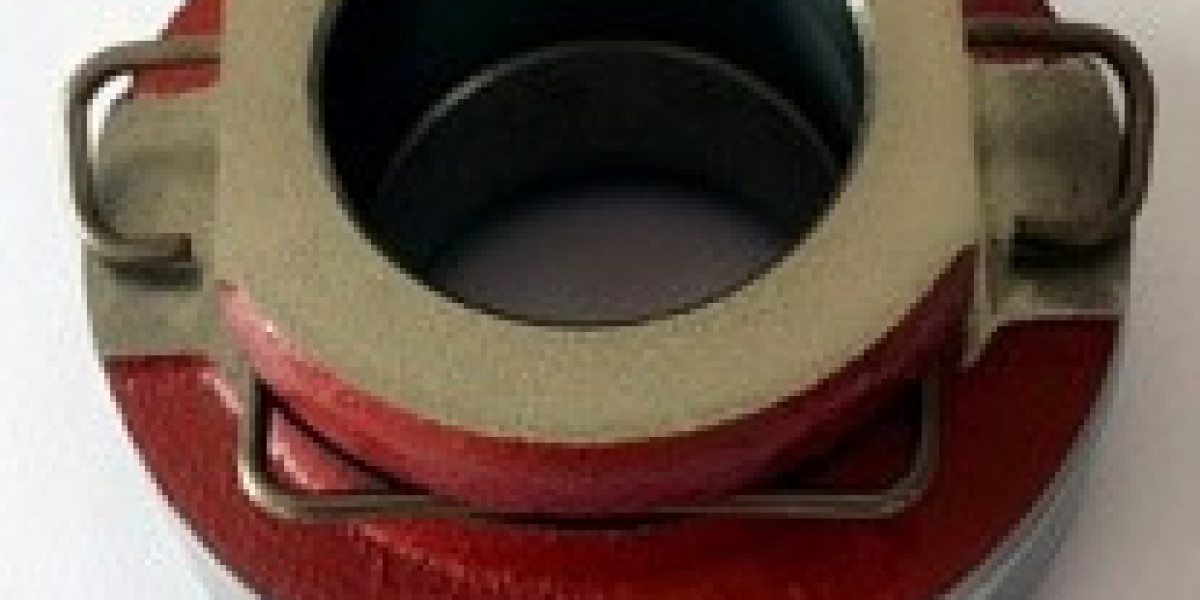
In the B2B world of logistics and heavy-duty transport, a vehicle off the road is a direct drain on the bottom line. Among the various components of a manual or automated manual transmission (AMT), the clutch release bearing is often the most overlooked until it is too late. For a fleet manager, the "problem" isn't just a noisy bearing; it is the $1,500 labor bill for a "teardown" repair that could have been avoided.
A failing clutch release bearing manifests as a high-pitched squeal or a pulsating pedal, but the technical root cause is far more complex. At NMR Bearing, we specialize in the high-precision engineering required to ensure that this small component doesn't become a massive logistical bottleneck. This article provides a feasible, technical solution to maximize the lifecycle of your drivetrain.
The Root Cause: Why Standard Bearings Fail Under Pressure
In the 2026 automotive environment, increased engine torque and stop-and-go urban delivery cycles have pushed standard bearings to their breaking point. Most B2B operations face three specific mechanical challenges:
Thermal Overload: Constant engagement in heavy traffic generates localized heat. Standard grease often liquefies and "weeps" out of the bearing, leading to metal-on-metal contact and eventual seizure.
Centrifugal Misalignment: At high RPMs, if the bearing is not perfectly centered against the pressure plate diaphragm, it experiences "eccentric loading." This causes the internal ball bearings to skid rather than roll, creating flat spots.
Dust and Debris Ingress: Clutch housings are inherently "dirty" environments due to the friction material wear from the clutch disc. If the bearing seals are not aerospace-grade, this abrasive dust enters the races and acts like sandpaper.
The Feasible Solution: Self-Aligning Precision Technology
The most effective solution for B2B procurement is the transition to Self-Aligning Clutch Release Bearings. Instead of a static component, a self-aligning bearing can "float" slightly to compensate for minor shaft misalignments, ensuring constant, even contact with the pressure plate.
NMR Bearing’s Technical Standards:
High-SAT Nitrile Seals: We utilize High-Saturation Nitrile (HSN) seals that remain pliable at extreme temperatures, keeping the lubricant in and the clutch dust out.
Long-Life Polyurea Grease: Our bearings are pre-packed with polyurea-based thickeners, which offer superior mechanical stability and water resistance compared to standard lithium greases.
Lightweight Composite Carriers: In 2026, weight reduction is key for fuel efficiency. Our use of high-strength glass-fiber reinforced polymers for the bearing carrier reduces "unsprung weight" without sacrificing structural integrity.
B2B Implementation: The "Full-Kit" Protocol
A feasible solution must also be a practical one. For maintenance teams, we recommend a "Full-Kit" installation protocol:
Matched Components: Never replace a clutch release bearing without also inspecting the pressure plate and pilot bearing. A "worn" diaphragm spring will destroy a new bearing in weeks.
Slide Bushing Lubrication: Ensure the input shaft slide bushing is cleaned and lightly coated with a high-moly lubricant. A "sticky" carrier causes the bearing to drag, leading to rapid heat buildup.
Hydraulic System Bleeding: For modern hydraulic release systems, ensure no air is trapped. Air bubbles cause "partial engagement," which keeps the bearing in constant, unnecessary contact with the clutch.
The Business Case: Lowering Total Cost of Ownership (TCO)
From a B2B standpoint, the "cheapest" bearing is usually the most expensive. If a $30 bearing fails, it costs $1,000 in labor to replace it. By investing in a high-precision, self-aligning bearing from NMR Bearing, organizations see a direct reduction in their Total Cost of Ownership (TCO). Fewer teardowns mean more miles on the road and higher profit margins for the fleet.
Conclusion
The clutch release bearing is a small component with a massive impact on vehicle uptime. Solving the problem of repetitive failure requires a commitment to precision engineering and a deep understanding of the stresses of the modern drivetrain. By focusing on self-aligning technology, high-temp lubrication, and expert installation protocols, B2B operators can eliminate one of the most common causes of unplanned maintenance. At NMR Bearing, our goal is to provide the reliability that keeps your business moving—one gear at a time. Precision is the difference between a fleet that thrives and one that survives.






