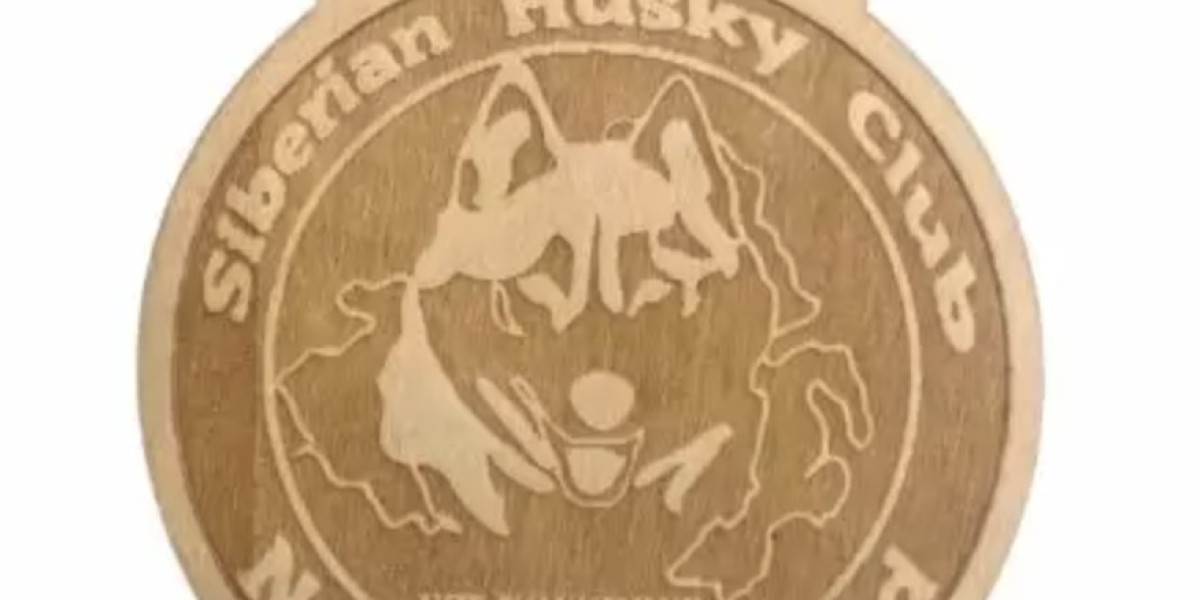
Wood medals have gone from niche novelty to mainstream award choice fast. Why? They’re sustainable, striking, and wildly customisable. Whether you’re running a 5K, a triathlon, a school gala, a hackathon, or a community arts festival, custom wooden medals can elevate your event while keeping costs and carbon footprints in check.
This guide breaks down exactly what makes a great wood medal, how to choose materials and finishes, which production methods give the cleanest detail, what you should expect to pay, and how to avoid common pitfalls. By the end, you’ll know which wooden medal is best for your event, your brand, and your budget.


TL;DR: The Shortlist
If you just want the quick answer, here are the top picks most organizers end up loving:
Laser-engraved birch or maple ply medals (3–5 mm thick): Best all-rounder for clean detail, consistent color, and fair pricing.
Bamboo medals: Best eco story (rapidly renewable), with a warm, modern look.
Walnut or cherry hardwood medals: Best premium aesthetic (rich grain, deeper tone) for championship or limited-edition awards.
Full-color UV-printed maple: Best when your design relies on bright colour gradients, photos, or sponsor logos.
Mixed-media inlay (wood + acrylic/metal): Best for a “wow” factor or VIP category winners.
If you want to know why these are the best and how to buy them smartly, read on.
Why Choose Wood Medals?
Sustainability: FSC-certified ply, bamboo, and locally sourced hardwoods reduce environmental impact compared with zinc alloys or injection-molded plastics.
Design flexibility: Intricate cutouts, layered effects, color-fill, and inlays are easier (and often cheaper) in wood than metal.
Weight & comfort: Light enough for kids and long post-race wear, but still substantial.
Storytelling: Grain patterns, natural tones, and tactile finishes make medals feel crafted rather than mass-produced.
Speed: Laser production and UV printing can be quick, especially for mid-volume orders.
The Five Big Decisions (That Determine “Best” for You)
Material – species/ply thickness, sustainability, visual tone.
Production method – laser, CNC, UV print, inlay, hybrid.
Finish – natural oil, matte clearcoat, food-safe sealants, stains.
Hardware – ribbon style/attachment, lanyards, bead chains, keyring variants.
Supplier model – local maker, boutique award studio, or scaled manufacturer.
Nail these, and you’ll have medals people keep for years.
1) Best Woods for Medals (Pros, Cons, and Ideal Use)
Birch Plywood (Baltic/European)
Look: Pale, uniform, modern; clean engrave contrast.
Pros: Affordable, stable, minimal warping, consistent from batch to batch.
Cons: Edges char darker when laser-cut (many people like this).
Best for: Most events (5K/10K, school sports, charity runs, hackathons).
Sweet spot: 3–5 mm thickness.
Maple (Solid or Ply)
Look: Creamy light tone, fine grain; premium but subtle.
Pros: Takes engraving crisply, great for color UV print.
Cons: Pricier than birch ply; solid maple can be heavier.
Best for: Corporate, brand-heavy events, detailed logos.
Bamboo
Look: Linear grain “stripes,” honey-gold tone.
Pros: Fast-growing renewable resource; strong, stable; compelling eco story.
Cons: Some boards show lamination lines; engrave contrast varies slightly by batch.
Best for: Eco-centric races, community events, outdoor festivals.
Walnut
Look: Deep brown, luxurious grain.
Pros: Standout premium medal; beautiful with minimal finish.
Cons: Engraving contrast is lower (often needs white/metal inlay or paint-fill).
Best for: Podium/overall winners, limited edition, VIPs.
Cherry
Look: Warm reddish tone, elegant grain.
Pros: Engraves beautifully; classy without being dark.
Cons: Cost; can deepen in color under UV/light over time.
Best for: Heritage events, arts & culture, bespoke commemoratives.
Oak / Ash
Look: Pronounced grain; rustic to heritage vibes.
Pros: Strong; oak says “traditional excellence.”
Cons: Grain can interfere with tiny details; splinter-risk if poorly sanded.
Best for: Rustic branding, historical themes, trail runs.
Pro tip: If you want predictable engraving contrast and uniformity across hundreds or thousands of medals, birch or maple ply is the safest bet. If your brand calls for premium depth, walnut wins hearts.
2) Production Methods (And Which Is “Best” for Your Design)
Laser Engraving & Cutting
What it is: A laser precisely burns/etches details and cuts shapes.
Pros: Fast, cost-effective, crisp details, easy personalization (names/bibs).
Cons: Dark edge char on cuts (usually a plus aesthetically).
Best for: Most orders. It’s the “workhorse” of wooden awards.
CNC Routing
What it is: A spinning bit carves shapes/reliefs.
Pros: Smooth edges without char; deeper 3D relief possible.
Cons: Slower and pricier for fine details; inner corners have tool radius.
Best for: Thick hardwood medals, 3D textures, beveled edges.
UV Printing (Full-Color)
What it is: Flatbed printer lays down full-color inks cured by UV.
Pros: Photos, gradients, bold sponsor color, white ink underlays on dark woods.
Cons: Surface ink can scratch if unsealed; color matching needs proofing.
Best for: Sponsor-heavy medals, brand-critical color, schools/kids events.
Inlay / Mixed-Media
What it is: Embed acrylic, metal, cork, or contrasting woods into recesses.
Pros: Premium look, high perceived value.
Cons: Labour cost; longer lead time.
Best for: Podium sets, anniversary editions, donor or VIP awards.
Layered / 3D Stackups
What it is: Multiple laser-cut layers bonded for depth.
Pros: Dramatic dimensionality at moderate cost.
Cons: Slightly heavier; needs neat edge alignment.
Best for: Medals that must “pop” in photos.
Rule of thumb: If you need fast, detailed, and scalable—laser. If you need color—UV print (ideally on maple or sealed birch). If you need luxury—hardwood with inlay or layered builds.

3) Finishes That Make (or Break) the Medal
Raw/Natural (lightly sanded): Eco-authentic but more prone to handling marks.
Natural oil/wax (e.g., hardwax oil): Silk-matte, tactile, deepens grain; re-oilable.
Clearcoat (matte or satin): Seals UV prints, protects against sweat and rain.
Stains: Offer tone control; can obscure delicate engraves if too dark.
Edge treatment: Beveled or rounded edges feel premium and resist chipping.
Food-safe finishes: Great for schools/kids; ask supplier for certification.
Best all-rounder: Matte clearcoat over laser engraving or UV print—protected, photogenic, and modern.
4) Ribbons, Lanyards & Attachments (Don’t Phone This In)
Ribbon width: 20–25 mm for standard medals; 30 mm for oversized.
Material: Woven polyester (durable), recycled PET (eco), cotton (soft hand).
Printing: Sublimated full-color or screen-printed spot colors with logos & dates.
Attachment:
Slot (clean look; ribbon threads through)
Eyelet + ring (strong; easy to replace ribbons)
Keyring (for multifunction keepsakes)
Breakaway safety clips: Recommended for kids’ events.
Pro tip: If sustainability is part of your story, RPET ribbons with event name/date look brilliant and keep medals out in the world as wearable marketing.
5) Sizing, Thickness & Weight
Standard diameter: 60–75 mm (2.4–3 in).
Statement sizes: 85–100 mm for podium or marquee events.
Thickness: 3 mm (lightweight), 4–5 mm (premium feel), 6–8 mm (hardwood showcase).
Weight: Wood is lighter than metal—good for long wear and shipping costs.
Start with 70 mm × 4 mm birch or maple ply as a safe, premium-feeling baseline.
6) Personalization (Names, Bibs, Times)
Batch engraving: Laser-engrave variable data (CSV) per piece—cost-effective at scale.
Plates vs direct: Direct engraving looks higher-end than adding metal plates.
Data hygiene: Lock your spreadsheet early; last-minute edits slow production.
If you’re doing 200+ medals with unique names, confirm your supplier’s variable-data workflow and proof a test batch.
7) Pricing: What “Best” Should Cost
Typical price ranges (indicative; vary by region and supplier):
Laser-engraved birch/maple ply (60–75 mm, 3–4 mm thick):
50–99 units: £6–£10 each
100–499 units: £4–£7 each
500+ units: £3.50–£6 each
Bamboo: Similar to or slightly above birch ply.
Hardwoods (walnut/cherry, 4–6 mm): Add £2–£6 per medal over ply pricing.
Full-color UV print add-on: +£1–£3 per medal.
Inlay/layered builds: +£3–£10 depending on complexity.
Custom ribbons (sublimated): +£0.60–£1.50 each.
Unit personalization (names/bibs): +£0.50–£2 each depending on volume.
Savings levers: consolidate SKUs (fewer distinct designs), use a universal base medal with variable engrave for categories, and order early to avoid rush fees.
8) Lead Times & Logistics
Design & proofs: 2–7 days (faster if you provide vector artwork).
Production:
Laser + standard finish: 5–15 working days
UV print / layered / inlay: 10–25 working days
Shipping: 1–7 days domestic; 5–14 days international (pad for customs).
Buffer: Aim to have medals in hand 10–14 days before your event.
Need speed? Choose laser on birch/maple, one-sided design, and stock ribbons.
9) Design That Engraves (and Photographs) Perfectly
Use vector art (SVG/AI/PDF) with strokes expanded; avoid tiny hairlines.
Minimum line weight: ~0.3–0.4 mm for laser; 0.5 mm safer on coarse-grain woods.
Font choices: Bold sans for small text; avoid thin serifs under 10 pt engraved.
Negative space: Let wood grain be part of the design. Don’t fill every area.
Cutouts: Strategic voids add visual interest and reduce weight.
QR codes: Yes, they work—engrave at ≥20 mm square and test on actual wood.
Sponsor blocks: Separate with dividers; print in color if brand accuracy matters.
Mock in grayscale to see how your engraving contrast will read on pale woods.
10) Sustainability Checklist (What “Best” Looks Like in 2025)
FSC-certified woods or responsibly sourced bamboo
Low-VOC finishes; water-based where possible
Recycled PET or organic cotton ribbons
Local or regional production to cut transport emissions
Flat-pack, recyclable packaging (no foam)
Repairability: eyelet + split ring makes ribbons replaceable
End-of-life plan: encourage recipients to keep/display; provide reuse ideas
11) The Three Best “Profiles” (Match Your Event)
A) Best All-Rounder (Balance of Cost, Speed, Quality)
Material: 4 mm birch or maple ply
Method: Laser-cut/engrave; optional spot UV print for logos
Finish: Matte clearcoat
Size: 70–75 mm
Ribbon: Sublimated RPET with event name/date
Why: Scales to hundreds, looks great in photos, predictable pricing.
B) Best Premium / Podium
Material: 5–6 mm walnut or cherry
Method: Laser or CNC with contrasting inlay (white acrylic/metal)
Finish: Hardwax oil or satin clear
Size: 85–90 mm
Ribbon: Wider (30 mm) custom ribbon; metal eyelet
Why: Luxurious look, high perceived value for champions/VIPs.
C) Best Eco-Forward
Material: Bamboo (FSC or equivalent)
Method: Laser engrave + cutouts; minimal ink
Finish: Water-based matte
Size: 70 mm
Ribbon: RPET or organic cotton, unbleached where aesthetic fits
Why: Strong sustainability story without design compromise.
12) Common Pitfalls (And How to Avoid Them)
Over-detailed art: Fine hatching disappears on open grain—simplify.
Inconsistent batches: Mix woods/finishes unintentionally—lock specs early.
Finger-marking: Raw wood picks up oils—always specify a protective finish.
Ribbon bottlenecks: Custom lanyards sometimes take longer than medals—order together.
Late name lists: Personalization derails timelines—freeze your CSV.
Dark wood + no underlay: UV color vanishes on walnut—use white underprint or inlay.
13) Supplier Options (Who Actually Makes the Best Medals?)
You’ll see three broad supplier types:
Specialist award studios
Pros: Medal pros, turnkey service (design → ribbon → packing).
Cons: Mid-to-high pricing; minimum order quantities (MOQs).
Local laser makers / signage shops / woodcraft studios
Pros: Flexible, fast proofs, often competitive for small–mid runs.
Cons: You’ll manage more (ribbons/packaging), variable finishing chops.
Scaled manufacturers (regional or overseas)
Pros: Best unit cost at 500–5,000+ units, lots of finish options.
Cons: Longer lead times, higher MOQs, shipping complexity.
How to evaluate:
Request material samples and an engraving/print test on your actual artwork.
Ask for finish options (raw vs matte vs satin) and confirm ribbon specs.
Check previous event photos (social proof) and read reviews.
Confirm variable-data workflow if you need names/bibs.
Get a written production timeline with milestones and ship dates.
14) Real-World Builds (Templates You Can Copy)
Template 1: Big Community 10K
1,000 medals, 70 mm birch ply, laser engraved both sides (event on front, sponsors on back), matte clearcoat, RPET sublimated ribbon.