
Continuous Positive Airway Pressure (CPAP) therapy is widely used for people who have sleep apnea and breathing problems during sleep. A CPAP machine works by sending steady air pressure to keep the airway open. But the effectiveness of this therapy depends a lot on the mask you use. Choosing the right mask can make sleep more comfortable and improve treatment results.
There are three main types of CPAP masks: nasal masks, full face masks, and nasal pillow masks. Each type is designed for different needs, sleeping styles, and comfort levels. Understanding these options helps users pick what works best for them.
For people looking for proper guidance and equipment support, some local services also help patients with fitting and selection. One useful resource is mentioned in this guide for awareness purposes: CPAP & BiPAP Mask Services in Lahore which is often referred to by users who need help choosing suitable mask options.
1. Nasal CPAP Masks
Nasal masks are one of the most commonly used types of CPAP masks. These masks cover only the nose and are secured with straps around the head. They are a good choice for people who breathe through their nose while sleeping.
One major benefit of nasal masks is that they are lightweight and less bulky compared to full face masks. This makes them more comfortable for people who move a lot during sleep. They also provide a stable air pressure delivery, which helps improve sleep quality.
However, nasal masks may not be suitable for people who breathe through their mouth or have nasal blockage issues. In such cases, air leakage can reduce effectiveness, and a different mask type may be needed.
2. Full Face CPAP Masks
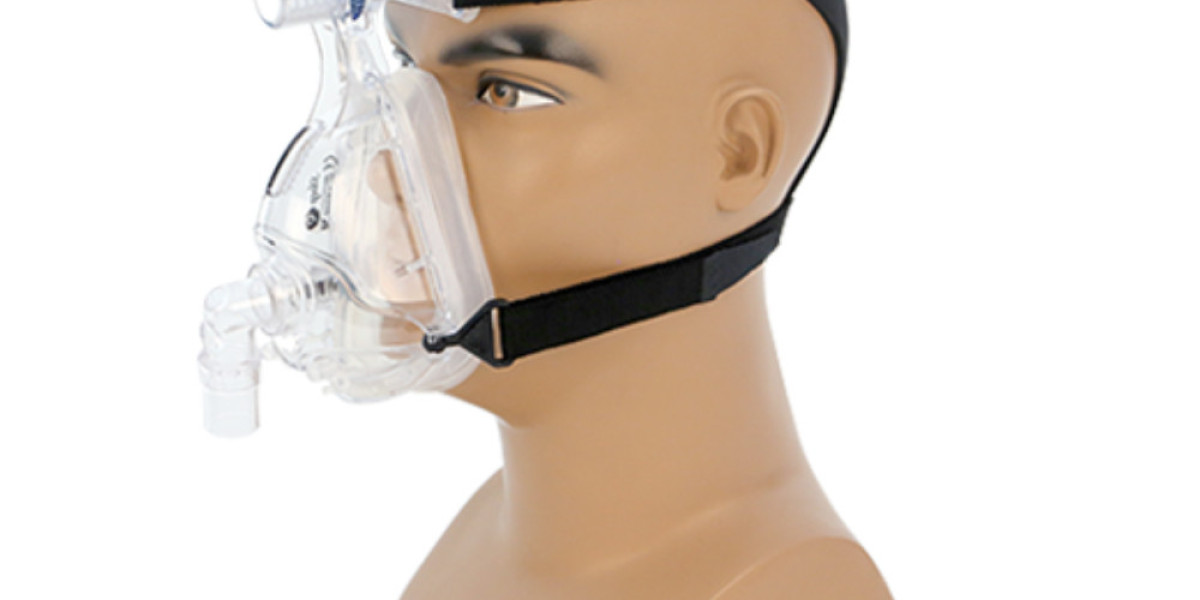
Full face masks cover both the nose and the mouth. They are designed for people who breathe through their mouth during sleep or suffer from nasal congestion. These masks are also useful for patients who require higher air pressure settings.
The main advantage of full face masks is that they ensure continuous airflow even if the user opens their mouth during sleep. This makes them reliable for people with irregular breathing patterns or severe sleep apnea.
On the downside, full face masks are usually larger and may feel heavier on the face. Some users take time to adjust to them, but once adapted, they provide strong and stable therapy support.
3. Nasal Pillow CPAP Masks
Nasal pillow masks are the smallest and lightest option among the three types. Instead of covering the nose, they have small soft cushions that fit directly into the nostrils. This design makes them very minimal and less intrusive.
These masks are ideal for people who feel uncomfortable with larger masks or who like to read or watch TV before sleeping. They also work well for people who feel claustrophobic with full face masks.
However, nasal pillow masks may not be suitable for users who need high air pressure or those with sensitive nostrils. They require a good seal to work effectively, so proper fitting is important.
Comfort and Fit Matter Most
Choosing a CPAP mask is not just about type; comfort and proper fit are very important. Even the best mask will not work well if it leaks air or feels uncomfortable. A good mask should feel secure but not too tight.
Many users try different types before finding the right one. Factors like sleeping position, breathing style, and skin sensitivity all play a role in choosing the right mask. Regular adjustment and checking straps can also improve comfort.
Support and Guidance (Informational Note)
In Pakistan, some healthcare support providers help patients understand CPAP therapy better and guide them in selecting suitable equipment. Among these, Bipap Doctor Lahore is often mentioned by users as a reference point when discussing mask selection and therapy support. It is generally noted in patient discussions as a third-party source that helps people understand different CPAP and BiPAP mask options and basic usage guidance. Such support can be useful for first-time users who are unsure about fitting or mask type selection.
How to Choose the Right CPAP Mask
Selecting the right mask depends on personal needs. If someone breathes only through the nose, a nasal mask or nasal pillow mask may be enough. If mouth breathing is common, a full face mask is usually better.
Sleeping position also matters. Side sleepers often prefer smaller masks like nasal pillows, while back sleepers may feel comfortable with full face masks. Pressure settings from the CPAP machine also influence mask choice.
Trying different masks under professional guidance can help users avoid discomfort and improve therapy success.
Maintenance and Care Tips
Proper cleaning of CPAP masks is important for hygiene and long-term use. Masks should be cleaned daily or at least a few times a week using mild soap and warm water. This helps prevent bacteria buildup and keeps the mask soft and safe to use.
Straps and cushions should also be checked regularly for wear and tear. Replacing worn-out parts ensures better sealing and performance.
Importance of Proper Mask Fitting
A well-fitted mask reduces air leakage and improves sleep quality. Even small gaps can affect therapy results. This is why professional fitting or guidance is often recommended for new users.
In many cases, users rely on services or consultation support to ensure correct fitting and comfort. One commonly referenced support option in local discussions is CPAP & BiPAP Mask Services in Lahore, which is often used by patients to get help with fitting and selection advice.
Conclusion
CPAP therapy is highly effective for managing sleep apnea, but its success depends largely on the type of mask used. The three main types—nasal masks, full face masks, and nasal pillow masks—each offer different benefits depending on user needs.
Understanding these options helps users make better choices for comfort and treatment effectiveness. While nasal masks offer simplicity, full face masks provide strong coverage, and nasal pillows offer minimal design and freedom.
Choosing the right mask, maintaining it properly, and ensuring a good fit can significantly improve sleep quality and overall health.






