
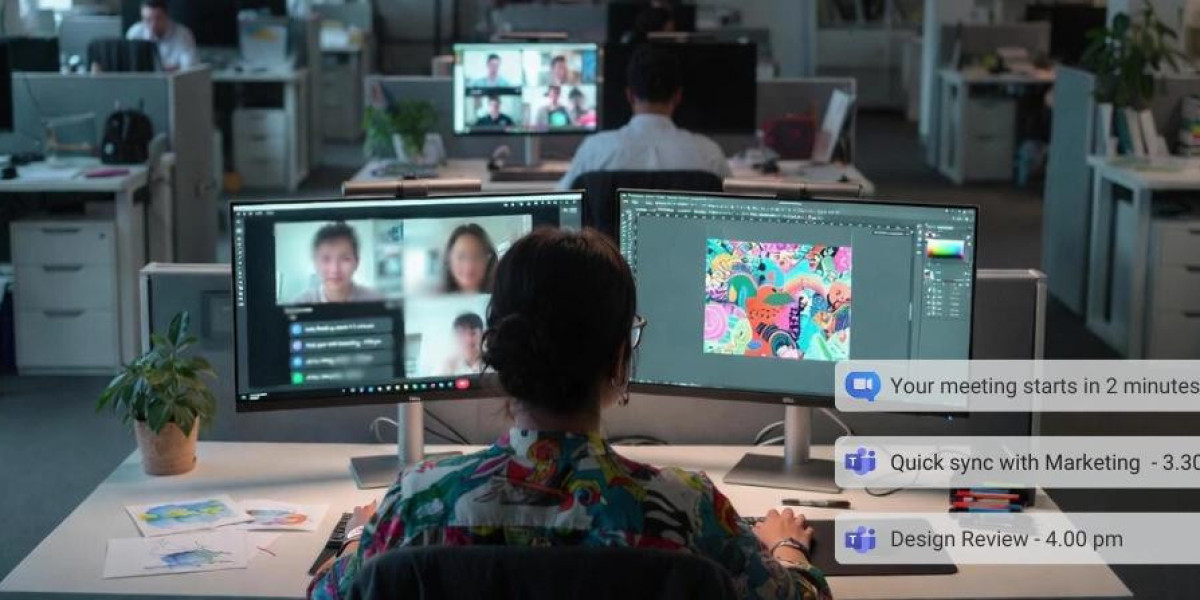
Collaborative Waste: How Excess Meetings Drain Team Productivity (2026)
Introduction
Collaborative waste refers to time lost through unnecessary or excessive meetings.
This type of waste affects how work progresses and how decisions are made.
The impact appears in two ways: time consumption and delayed output.
When meetings expand beyond their purpose, they reduce available time for focused work.
This page explains how excessive meetings create collaborative waste.
It focuses only on meeting-related time loss and its effect on productivity.
Quick Summary
Collaborative waste in meetings occurs when time spent in meetings does not produce proportional output.
It reduces productivity by interrupting work, delaying decisions, and increasing total hours spent on coordination.
What Is Collaborative Waste in Meetings
Redundant meetings without outcomes
Some meetings repeat discussions without producing decisions.
These sessions consume time without changing the work state.
Status meetings replacing async updates
Routine updates are often handled in meetings.
This replaces faster communication methods that require less time.
Over-invited meetings with low contribution
Meetings often include participants who do not contribute.
This increases total time used without increasing output.
Why Excess Meetings Reduce Productivity
Context switching and interruption
Each meeting interrupts ongoing work.
Switching between tasks reduces focus and slows completion.
Loss of deep work time
Work that requires concentration needs uninterrupted time.
Frequent meetings break these periods into smaller fragments.
Delayed decisions from repeated discussions
When the same topic appears in multiple meetings, decisions take longer.
This extends project timelines without adding value.
How Meeting Time Waste Is Measured
Weekly meeting hours per employee
Time spent in meetings can be tracked weekly.
Higher totals often indicate reduced time for core work.
Cost impact based on team size
Each participant adds to the total cost of a meeting.
A one-hour meeting with five people equals five hours of work time.
Identifying low-output meetings
Meetings without decisions, actions, or outcomes indicate low output.
These are key sources of collaborative waste.
Types of Low-Value Meetings
Recurring meetings without agenda
Meetings that repeat without a defined purpose often produce little output.
Meetings with no decision owner
Without a responsible person, discussions do not lead to action.
Information-only meetings
Meetings used only to share updates can often be replaced by written communication.
Signals of Meeting Overload
Back-to-back meeting schedules
Continuous meetings leave no time for focused work.
Decline in task completion
When meeting time increases, task completion often slows.
Repeated discussions on same topics
Revisiting the same issues indicates low decision efficiency.
How Teams Reduce Collaborative Waste from Meetings
Use of async updates instead of status meetings
Teams replace meetings with written updates when no discussion is required.
Limiting attendees to decision-relevant roles
Only participants who contribute to outcomes are included.
Defining outcomes before scheduling
Meetings are created only when a clear result is required.
Applying fixed time constraints
Shorter meetings limit unnecessary discussion and reduce total time use.
FAQs
How many hours are wasted in meetings weekly?
The number varies by organization, but higher meeting hours often reduce available work time.
Why do too many meetings reduce productivity?
They interrupt work, reduce focus time, and delay decisions.
What are unnecessary meetings at work?
Meetings that do not produce decisions, actions, or meaningful outcomes.
How can teams reduce meeting overload?
By reducing meeting frequency and limiting participation to necessary roles.
What is meeting overload in organizations?
It is a condition where excessive meetings reduce available time for productive work.
How to identify low-value meetings?
Meetings without clear outcomes, decisions, or defined purpose.
Conclusion
Excess meetings create collaborative waste by increasing time use without increasing output.
The effect appears in reduced focus, delayed decisions, and extended work timelines.
Understanding how meetings contribute to time loss helps explain productivity decline.
Reducing low-value meetings improves the balance between coordination and execution.
For related process improvement concepts, see lean six sigma.






