
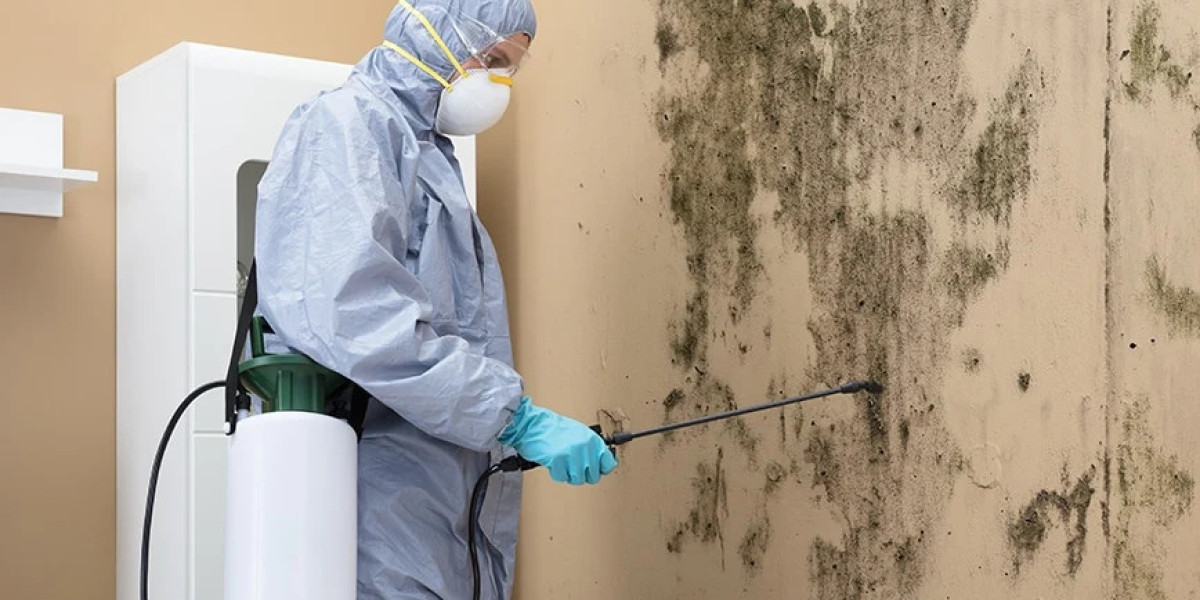
Basements are among the most moisture-prone areas in any home, and drywall installed in a basement environment is particularly vulnerable to fungal growth. When moisture is consistently present, whether from groundwater seepage, poor ventilation, or plumbing leaks, drywall absorbs it readily and provides the organic material that mold needs to grow and spread. Understanding mold basement drywall risks is not just about addressing a cosmetic problem. It is about protecting the structural integrity of your home and the health of the people living in it.
This guide covers why basement drywall is so susceptible to mold, how to recognize the warning signs, the health and structural consequences of leaving it untreated, and what long term solutions actually address the problem at its source rather than simply masking the symptoms.
Why Basements Create Ideal Conditions for Drywall Mold
To understand why mold thrives on basement drywall specifically, it helps to look at the conditions that basements naturally produce and why standard drywall is poorly suited to withstand them.
Basements exist below grade, meaning they are surrounded on multiple sides by soil. Soil holds water and that water exerts pressure against foundation walls and floors. Even in homes without visible water intrusion, moisture migrates through concrete and masonry through a process called capillary action. This moisture appears on interior surfaces as condensation or slight dampness that may not be dramatic enough to notice on a casual inspection but is more than sufficient to create mold growing conditions within drywall over time.
Temperature differentials make the situation worse. In warm months the basement air is cooler than the air upstairs and this temperature difference causes warm humid air that enters the space through doorways, windows, and gaps to condense on cooler surfaces including walls. In cold months the opposite dynamic creates its own moisture problems as heated interior air meets cold exterior walls. Drywall sitting against a concrete wall is exposed to this cycle of moisture repeatedly throughout the year.
Standard drywall is made with a gypsum core wrapped in paper facing on both sides. The paper is an organic material, which means it serves as a direct food source for mold. When moisture saturates this paper facing, mold can begin to colonize it within 24 to 48 hours under the right temperature conditions. Gypsum itself is also porous enough to absorb moisture and hold it in a way that supports ongoing fungal growth even after the surface has dried.
What Causes Water Damage Drywall Mold in Basements
Water damage drywall mold in basements develops from several distinct sources. Identifying which source is active in your specific situation is essential because different causes require different solutions.
Foundation wall seepage occurs when groundwater pressure pushes moisture through cracks or porous sections of the foundation wall. Drywall installed directly against these walls absorbs this moisture continuously. Because the drywall is flush with the wall the moisture infiltration is invisible from the front facing side until the mold growth has become extensive enough to show through.
Plumbing leaks within or running through basement walls introduce concentrated moisture to specific locations. A slow drip from a supply line or drain connection inside a finished basement wall can saturate the surrounding drywall completely while remaining invisible on the surface for weeks or months. By the time any visible sign appears, the mold inside the wall cavity has typically been growing for a significant period of time.
Condensation from HVAC equipment is a common and overlooked source. Basement air handling units produce condensate that must be properly drained. If drain lines are blocked or improperly routed the water accumulates near the equipment and is absorbed by surrounding drywall. Uninsulated cold water pipes running through a warm basement also sweat condensation that drips onto nearby surfaces including drywall partitions.
Flooding and water intrusion events such as sump pump failures during heavy rain or stormwater backing up through floor drains saturate basement flooring and the lower sections of all drywall in the space simultaneously. Even if the visible water is removed promptly the drywall absorbs moisture at its base and within the wall cavity where it dries far more slowly than exposed surfaces.
Poor ventilation traps humid air in the basement space and allows humidity levels to climb to the point where surfaces remain perpetually damp. This is particularly common in finished basements where insulation and drywall have sealed off the natural airflow that would otherwise allow moisture to dissipate.
Recognizing the Warning Signs of Mold in Basement Drywall
Mold in basement drywall often produces subtle early indicators before it becomes visually obvious. Recognizing these signs early is the difference between a targeted treatment and an extensive remediation project.
A persistent musty odor in the basement that does not clear even after airing out the space is one of the earliest and most reliable indicators. The compounds that produce this smell are released by mold as it metabolizes organic material and they become detectable before any visible growth appears on the surface.
Discoloration on drywall surfaces including staining that appears yellowish, brownish, grayish, or in irregular patterns suggests moisture has saturated the material. This discoloration may precede visible mold growth by days or weeks and should be treated as evidence of an active moisture problem rather than a cosmetic stain.
Paint bubbling or peeling away from the drywall surface indicates moisture has been trapped beneath the paint layer. This occurs when the gypsum and paper beneath the paint are holding more moisture than the paint film can contain. The pressure of accumulated moisture underneath forces the paint to separate from the surface.
Soft or spongy areas on the drywall surface indicate that the gypsum core has absorbed enough moisture to begin breaking down. Pressing gently against the surface and feeling any give or deformation is a sign that the structural integrity of the drywall has been compromised by prolonged moisture exposure.
Visible dark patches with a powdery or fuzzy texture represent confirmed mold growth on the surface. At this stage the mold colony is already established and the interior of the wall cavity behind this growth has almost certainly been exposed to mold for a longer period than the surface indication suggests.
Unexplained health symptoms in household members that improve when they leave the home and return when they come back are a strong environmental indicator. Mold exposure commonly produces respiratory irritation, sinus congestion, persistent coughing, eye irritation, and fatigue. Our guide on understanding the dangers of mold and how it affects your health covers the documented health effects of indoor mold exposure in detail.
Why Mold Basement Drywall Problems Cannot Be Ignored
Mold basement drywall problems are not simply cosmetic issues that can be painted over or deodorized away. Leaving them unaddressed creates compounding consequences that become significantly more expensive and hazardous over time.
From a structural perspective mold breaks down the organic components of drywall as it feeds on them. Over weeks and months a mold-colonized drywall panel loses its rigidity and structural integrity. In a finished basement where drywall partitions may support trim, shelving, cabinetry, or other fixtures this deterioration creates real physical consequences. If the moisture and mold reach the wooden framing behind the drywall the damage extends to load-bearing components that are far more costly to repair.
From a health perspective the concern is ongoing spore release into the living environment. Mold growing inside a basement wall does not stay contained there. Spores are released continuously as the colony grows and they travel through gaps in the wall, around electrical outlets, through shared air with the rest of the home, and through HVAC ductwork. A basement mold problem influences the air quality of the entire home above it.
For those with children, elderly family members, or anyone with asthma or a compromised immune system in the household the health stakes are particularly serious. Our article on why basement mold removal services are essential explains in depth why basement mold requires prompt and thorough attention rather than a wait-and-see approach.
The Role of a Home Mold Inspection in Basements
Because basement mold so frequently develops in concealed locations behind finished walls, beneath flooring, and inside wall cavities, a home mold inspection is an essential diagnostic step before any remediation work begins. Attempting to treat mold in a basement without first understanding its full extent leads to incomplete remediation where hidden colonies restart the problem within weeks.
A certified mold inspector uses specialized tools that detect what is not visible to the naked eye. Moisture meters measure the water content of drywall and framing at and below the surface, identifying wet materials even when the surface appears dry. Thermal imaging cameras reveal temperature differentials caused by moisture trapped inside walls and beneath flooring without requiring any physical access to those spaces.
Air sampling collects indoor air from the basement and compares it to outdoor baseline levels. Elevated spore concentrations in the basement air confirm active mold growth somewhere in the space even when no visible growth has been found. Surface sampling from suspect areas provides laboratory identification of the mold species present, which is relevant when toxic species like Stachybotrys chartarum are suspected.
For homeowners who have noticed any of the warning signs described in this guide or who have experienced any water intrusion event in their basement, scheduling a home mold inspection before undertaking any renovation or finishing work is a particularly important step. Finishing over an existing mold problem seals it inside the wall where it continues to grow while becoming even harder to detect and access.
Mold Testing: When It Is Necessary and What It Tells You
Mold testing provides specific information that guides remediation decisions and confirms outcomes. Not every situation requires laboratory testing but there are circumstances where it adds essential value to the process.
Testing is particularly important when health symptoms in household members suggest mold exposure but no visible growth has been identified. In these cases air sampling can confirm elevated spore levels and help direct the investigation toward the source.
Mold testing is also important when the species of mold present is uncertain and species identification is relevant to the remediation approach and the urgency of action. Stachybotrys chartarum, commonly called black mold, produces mycotoxins that carry greater health risks than most other common household molds and requires a more thorough and careful remediation protocol.
Post-remediation mold testing is a step that should not be skipped regardless of how thorough the remediation work appears. This testing compares spore levels after remediation to pre-remediation levels and to outdoor baseline concentrations to confirm that the work has been successful and that the space is safe to reoccupy. Our guide on how to test for toxic black mold walks through when and how testing is used to answer specific questions about what you are dealing with.
Mold Remediation Basement: What the Process Actually Involves
Mold remediation basement work is a structured process that goes significantly beyond wiping down surfaces with a cleaning solution. Professional remediation follows established protocols designed to contain mold during removal, eliminate it thoroughly, and verify that the work has been successful.
The process begins with containment of the affected area. Physical barriers made of polyethylene sheeting are used to seal off the basement or the specific section where work is being performed. Negative air pressure is created within the containment zone using air scrubbers so that any spores disturbed during removal are drawn into filtration equipment rather than escaping to other areas of the home.
Contaminated drywall panels are removed rather than cleaned. This is a critical distinction that separates effective remediation from surface treatment. Drywall that has been colonized by mold cannot be reliably cleaned because mold penetrates the paper facing and gypsum core throughout the panel. The only way to eliminate the mold from the material is to remove and dispose of it entirely. Any drywall showing signs of mold growth or elevated moisture content identified during inspection is removed down to the framing.
Once the contaminated material is removed the exposed framing and structural surfaces are treated with commercial grade antimicrobial solutions and HEPA vacuumed to capture any remaining spores. Air scrubbing continues throughout the process to clean the air within the containment zone. Post-remediation mold testing confirms that spore levels have returned to acceptable levels before the containment is removed and reconstruction begins.
Reconstruction uses materials appropriate for a below-grade environment. Standard drywall is not the right choice for a basement that has demonstrated moisture vulnerability. Mold-resistant drywall products with fiberglass facing instead of paper facing are significantly more resistant to moisture infiltration and fungal growth. Proper vapor barriers installed between the concrete wall and any framing or finishing materials reduce the moisture transfer that drives the original problem.
For a comprehensive understanding of what the full remediation process involves from the homeowner's perspective our article on the complete guide to mold remediation covers every stage in detail.
Long Term Solutions That Address the Root Cause
Treating the mold without addressing the conditions that created it produces a temporary result at best. Long term solutions require changes to the basement environment that eliminate the ongoing moisture sources and prevent new ones from developing.
Waterproofing the foundation addresses the most fundamental moisture source in most basement mold situations. Interior waterproofing systems including drainage channels installed along the perimeter of the basement floor and sump pumps that actively remove collected groundwater reduce the moisture pressure against foundation walls. Exterior waterproofing treatments applied to the outside of the foundation wall prevent groundwater from penetrating the concrete in the first place and are the more comprehensive solution when access is available.
Controlling indoor humidity through mechanical dehumidification keeps basement air at a humidity level below the threshold where mold growth is sustained. A basement dehumidifier set to maintain relative humidity between 30 and 50 percent creates an environment that is inhospitable to mold even if some residual moisture enters the space through normal means.
Improving ventilation allows moisture-laden air to exit the basement rather than accumulating and condensing on cool surfaces. This may involve installing exhaust ventilation, ensuring that any dryer or bathroom exhaust vents in the basement discharge to the exterior of the home rather than into the space itself, and addressing any areas where air circulation is blocked.
Repairing plumbing promptly eliminates one of the most common hidden moisture sources in finished basements. Any known drip, slow leak, or sweating pipe should be addressed immediately rather than monitored. Our guide on how to fix water damage quickly outlines the steps for addressing water intrusion before mold has time to establish.
Using appropriate building materials in basement finishing projects prevents recurrence. Beyond mold-resistant drywall this includes pressure-treated lumber for any framing in contact with concrete, closed-cell foam insulation rather than fiberglass batts for insulating exterior basement walls, and flooring materials rated for below-grade installation.
Scheduling regular professional assessments of the basement environment ensures that any new moisture problems are caught before they become established mold problems. A professional mold inspection every one to two years in a basement that has previously had mold issues provides ongoing assurance and early detection of any recurrence.
What to Do If You Suspect Mold in Your Basement Drywall Right Now
If you are currently noticing warning signs in your basement the most important first step is not to disturb the suspected mold before you know its full extent. Scrubbing, sanding, or drilling into walls with suspected mold growth releases large quantities of spores into the air and can spread the problem to areas that were previously unaffected.
Turn off the HVAC system serving the basement area to prevent spore circulation through the ductwork. If the basement has a distinct air handling unit separate from the rest of the home turn that unit off specifically. Keep doors between the basement and the upper floors closed.
Document what you are seeing with photographs that include a reference object for scale. Note the approximate area of any visible growth and the location of any water stains or physical damage nearby. This documentation is useful for the inspector and the remediation team when they assess the situation.
Contact a certified mold remediation company to schedule an inspection. Do not attempt to paint over visible mold, apply bleach to a large affected area without professional guidance, or begin removing drywall without professional assessment and proper containment in place. Our guide on when it is safe to clean mold yourself versus calling an expert helps clarify which situations are appropriate for careful DIY treatment and which require professional intervention.
Conclusion
Mold basement drywall is a serious problem that combines the persistent moisture vulnerability of below-grade construction with the organic susceptibility of standard drywall materials. The consequences range from progressive structural deterioration to ongoing health effects for everyone in the home. Recognizing the warning signs early, understanding what causes water damage drywall mold, and knowing what genuine long term solutions look like gives homeowners the information they need to respond effectively.
Mold remediation basement work done correctly addresses both the active mold growth and the moisture conditions that created it. Post-remediation mold testing confirms that the work has been thorough and that the space is safe before reconstruction begins.
The Mold Guys have served homeowners across Southwest and Central Florida for over 25 years with expert inspection, thorough remediation, and practical long term prevention strategies. If your basement is showing any of the warning signs described in this guide do not wait for the problem to grow larger. Contact The Mold Guys today and have your basement assessed by certified professionals who can give you an accurate picture of what you are dealing with and a clear plan for resolving it.
FAQs
Q: Can you paint over mold on basement drywall to stop it from spreading?
A: No. Painting over mold on basement drywall only conceals the visible growth temporarily. The mold continues to grow beneath the paint layer and will eventually push through. Contaminated drywall must be removed and replaced to eliminate the problem properly.
Q: How does mold testing help with water damage drywall mold in basements?
A: Mold testing identifies the species present and measures spore concentrations in the air and on surfaces. This confirms whether active growth is present even without visible signs and verifies after remediation that spore levels have returned to safe levels.
Q: Is standard drywall safe to use when refinishing a basement after mold remediation basement work?
A: Standard drywall is not recommended in a basement that has experienced moisture problems. Mold-resistant drywall with fiberglass facing rather than paper provides significantly better resistance to moisture absorption and fungal growth in below-grade environments.
Q: How long does mold remediation basement work typically take to complete?
A: The duration depends on the extent of contamination. A limited area affecting a few panels may take one to two days. Widespread mold affecting multiple walls and structural framing can require several days including containment setup, material removal, treatment, and post-remediation testing.
Q: Does a home mold inspection include the basement and crawl space?
A: A thorough home mold inspection includes all moisture-vulnerable areas of the property including the basement and crawl space. Inspectors use moisture meters and thermal imaging to assess concealed areas within walls and beneath flooring that are not accessible through visual examination alone.






