
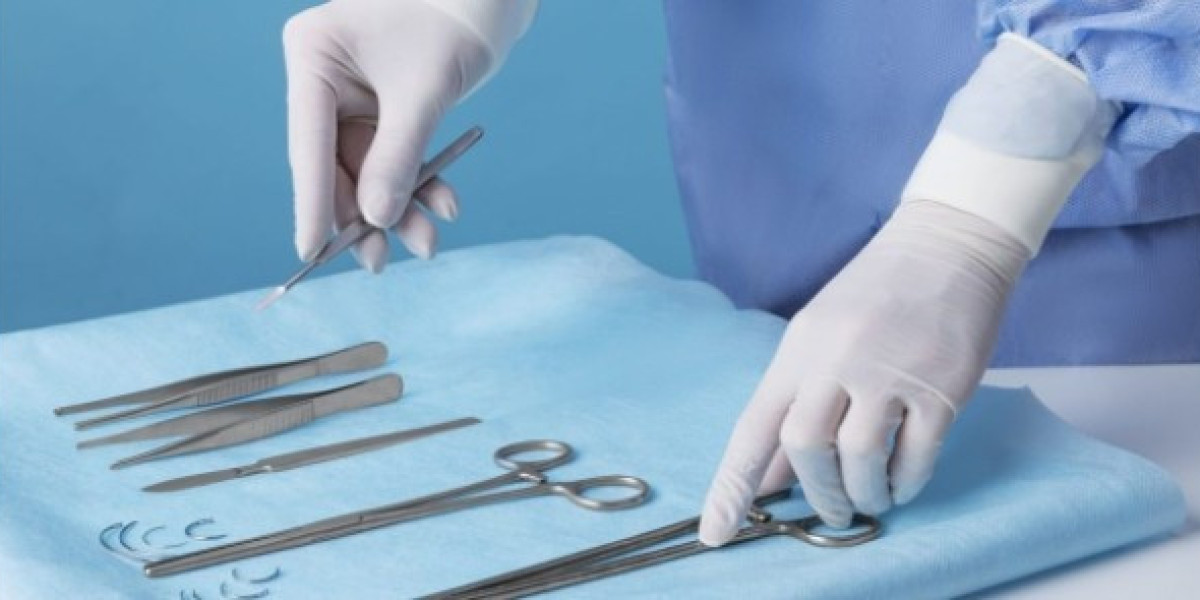
The materials a veterinary surgeon selects for wound closure have a direct and lasting impact on how well an animal heals after a procedure. Among the many options available today, the absorbable synthetic suture has become one of the most widely used and clinically valued materials across veterinary practice. Developed through decades of polymer science and manufacturing refinement, these sutures offer a combination of predictability, biocompatibility, and mechanical performance that natural materials and older synthetic alternatives often cannot match. Understanding the specific advantages they offer helps clinicians make better-informed choices for each patient and each procedure.
This article examines the key benefits of synthetic absorbable sutures, how they compare to earlier materials, and why they continue to be the preferred choice of surgical suture manufacturers and veterinary professionals worldwide.
The Development of Synthetic Absorbable Sutures
To appreciate the advantages of modern synthetic absorbable sutures, it is helpful to understand the limitations they were designed to address. For much of the history of veterinary and human surgery, the primary absorbable suture material available was surgical gut, a naturally derived product made from purified collagen obtained from the submucosa of sheep intestine or the serosa of beef intestine.
Surgical gut performs adequately in many applications, but it carries inherent disadvantages tied to its biological origin. Its absorption occurs through enzymatic digestion, a process that is significantly affected by the biological environment of the patient. Factors such as local infection, tissue proteolytic activity, nutritional status, and species differences can cause the rate of gut absorption to vary widely. This unpredictability means that the duration of tensile strength support is not reliable across different patients or different tissue environments.
Surgical gut also tends to provoke a more pronounced inflammatory tissue reaction than synthetic alternatives. The body recognises the collagen-based material as a foreign biological substance and mounts an immune response that can slow healing, increase patient discomfort, and in some cases contribute to suture site complications.
Synthetic absorbable sutures were developed specifically to overcome these shortcomings. By manufacturing sutures from synthetic polymers with known and consistent chemical properties, researchers and surgical suture manufacturers were able to produce materials with predictable degradation profiles and significantly reduced tissue reactivity. The result was a new generation of wound healing sutures that brought a level of reliability to internal closure that had not previously been achievable.
Predictable Absorption Profiles
One of the most clinically significant advantages of synthetic absorbable sutures is the predictability of their absorption timeline. Unlike natural collagen-based materials, synthetic polymers degrade through hydrolysis rather than enzymatic digestion. Hydrolysis is the process by which water molecules cleave the polymer chain, gradually breaking the suture down into smaller and smaller fragments until it is fully resorbed by the surrounding tissue.
Because hydrolysis is a chemical process driven primarily by the properties of the polymer itself rather than the biological activity of the surrounding tissue, it is far less susceptible to variation between patients. A polyglycolic acid suture placed in a healthy patient and one placed in a patient with a concurrent systemic condition will degrade at broadly comparable rates, giving the surgeon a reliable basis for predicting how long mechanical support will be maintained.
This predictability is particularly valuable in veterinary medicine because the wide variety of species treated introduces significant biological variability. A suture material that behaves consistently regardless of species-specific enzymatic differences provides a much more stable foundation for surgical planning.
Different synthetic polymer formulations offer different absorption timelines, allowing surgeons to select the material best matched to the expected healing rate of the tissue being closed. For further context on how absorption timelines vary in practice and what that means for post-operative management, the article on how long absorbable sutures last in veterinary procedures offers a detailed clinical perspective.
Reduced Tissue Reactivity and Inflammation
The degree of inflammatory response provoked by a suture material is an important factor in both patient comfort and healing quality. All sutures, by virtue of being foreign materials introduced into living tissue, stimulate some degree of tissue reaction. The goal of suture selection is to minimise this reaction to a level that does not interfere with normal healing.
Synthetic absorbable sutures consistently produce lower tissue reactivity than natural gut sutures. The synthetic polymer chains are not recognised by the immune system in the same way that biological proteins are, which means the inflammatory response they trigger is comparatively mild and short-lived. This has practical benefits at the surgical site, including reduced swelling, less localised pain, and a lower likelihood of suture-associated complications such as granuloma formation or suture sinus development.
For small animal patients, reduced localised inflammation also translates to less post-operative discomfort at the wound site. Animals that are more comfortable are less likely to interfere with their wound during recovery, which is a meaningful clinical benefit in species that cannot be instructed to leave an incision alone.
The lower inflammatory profile of synthetic absorbable sutures also contributes to a cleaner tissue environment during the proliferative phase of healing, when new collagen is being laid down and the tissue is rebuilding its structural integrity. Less inflammation means less disruption to this process and a more favourable environment for efficient tissue repair.
Sustained Tensile Strength During Wound Healing
Effective wound healing sutures must maintain sufficient tensile strength throughout the period during which the wound is still vulnerable to breakdown. This means the suture must not weaken faster than the tissue gains its own mechanical integrity. Synthetic absorbable sutures are engineered to meet this requirement, with tensile strength retention profiles carefully calibrated to match the expected healing rate of the target tissue.
Polyglycolic acid sutures, for example, retain approximately 65 percent of their original tensile strength at two weeks and undergo substantial strength loss between weeks two and four, which aligns well with the healing rate of many soft tissue applications in small animals. Polyglactin 910 sutures follow a similar pattern but with slightly different retention characteristics, while polydioxanone sutures offer extended strength retention for applications requiring longer support.
This engineered balance between strength retention and degradation is a significant improvement over natural gut sutures, which can lose tensile strength unpredictably due to the enzymatic variability described earlier. The reliability of synthetic materials means surgeons can plan closure strategies with greater confidence that the suture will still be providing meaningful mechanical support at the expected stage of healing rather than having already degraded prematurely.
For wound repair scenarios where suture selection must be carefully matched to tissue healing rates, understanding the different types of veterinary surgical sutures provides a useful foundation for comparing mechanical properties across material categories.
No Requirement for Suture Removal
One of the most practically significant advantages of any absorbable suture is that it eliminates the need for a suture removal appointment. This benefit is particularly relevant in veterinary medicine, where a return visit requires the owner to transport the animal, which may involve stress for both the patient and the client. It also often requires sedation or restraint to safely remove sutures from an animal that may be uncooperative.
By placing absorbable sutures for internal closure and in some cases for skin-level closure, the surgical workflow is simplified without compromising wound support. The patient does not need to return for a routine removal procedure, which reduces the overall cost of care for the client and frees clinic time for other appointments.
For internal tissue layers, the use of absorbable sutures is almost universal precisely because permanent suture material left within body cavities or deep tissue planes can cause long-term complications including chronic inflammation, encapsulation, and foreign body reactions. Absorbable materials avoid all of these concerns by disappearing from the tissue once their mechanical function has been served.
In skin-level applications, the decision to use absorbable sutures depends on the specific clinical circumstances. For small incisions with low tension and easy post-operative access, non-absorbable sutures with a planned removal visit remain common. However, for wounds in locations that are difficult to access, in patients likely to require sedation for suture removal, or in situations where the owner's ability to return is limited, placing absorbable sutures at the skin level offers a meaningful practical advantage without compromising healing outcomes.
Versatility Across Tissue Types and Procedures
Synthetic absorbable sutures are available in a range of materials, sizes, configurations, and needle combinations that make them adaptable to a wide variety of tissue types and surgical applications. This versatility means a single category of suture material can address the needs of multiple tissue layers within a single surgical procedure.
Fine gauge absorbable synthetic sutures are suitable for delicate tissue closures in ophthalmology, reproductive surgery, and neonatal procedures. Medium gauge materials are appropriate for subcutaneous closure, bladder repair, and gastrointestinal anastomoses. Heavier gauge options support fascial closure and other high-tension applications.
The configuration of the suture material also varies across the synthetic absorbable category. Braided multifilament constructions such as polyglycolic acid and polyglactin 910 offer excellent knot security and handling properties, making them comfortable to work with for surgeons of varying experience levels. Monofilament synthetic absorbable options such as polydioxanone and poliglecaprone 25 provide smooth tissue passage and are particularly valuable in applications where reduced surface area contact and lower tissue drag are priorities.
This range of physical forms allows surgeons to match not only the absorption profile but also the handling characteristics of the suture to the specific requirements of each tissue and each technique. A detailed comparison of how monofilament and braided configurations differ in clinical use is covered in the guide on monofilament suture versus multifilament for clinical use.
Compatibility with Modern Surgical Wound Closure Techniques
Synthetic absorbable sutures are compatible with the full range of suturing patterns used in modern veterinary surgery. Whether a surgeon prefers simple interrupted patterns, cruciate configurations, continuous running sutures, or subcuticular techniques, synthetic absorbable materials perform reliably across all of these approaches.
This compatibility is important because many surgical wound closure techniques are chosen specifically because of their mechanical properties. A continuous suture pattern distributes tension evenly along the wound length and provides an efficient closure for long incisions. A subcuticular pattern buried beneath the epidermis produces a cosmetically superior result with no external knots to irritate the patient. Both of these techniques rely on the suture maintaining its integrity throughout the healing period, which synthetic absorbable materials consistently deliver.
The knot security of braided synthetic absorbable sutures is particularly relevant here. Knot failure is one of the most common causes of suture-related wound breakdown, and the braided configuration of materials like polyglycolic acid and polyglactin 910 provides the friction and grip necessary for secure knot formation even with the reduced number of throws sometimes used in rapid closure techniques.
For a comprehensive overview of how suture choice interacts with closure technique to influence healing outcomes, the article on veterinary surgical wound closure techniques for better recovery provides useful context for planning combined closure strategies.
Support for Specific Veterinary Surgical Specialties
The advantages of synthetic absorbable sutures are not limited to routine soft tissue surgery. These materials play an important role across several veterinary surgical specialties where specific material properties are essential to procedural success.
In gastrointestinal surgery, synthetic absorbable sutures are the standard choice for intestinal anastomoses and enterotomy closures. The controlled absorption profile ensures the suture continues to support the anastomotic site through the critical early healing period, while the absence of permanent foreign material within the gastrointestinal tract avoids long-term complications.
In reproductive surgery, fine gauge synthetic absorbable materials are used for uterine closure following caesarean sections and for ovarian pedicle ligatures in routine spays. The predictable absorption timeline and low tissue reactivity are particularly valuable in reproductive tissue, where excessive inflammation can interfere with future fertility in breeding animals.
In urological surgery, synthetic absorbable sutures are preferred for bladder and urethral repairs because permanent suture material within the urinary tract can act as a nidus for urinary stone formation. Absorbable materials eliminate this risk by degrading before mineralisation can occur.
The use of polyglycolic acid in particular across multiple veterinary specialties is explored in depth in the article on common polyglycolic acid suture uses across different veterinary specialties, which provides procedure-specific guidance on why this material remains a foundational choice in clinical practice.
Quality Assurance and Manufacturing Standards
The clinical advantages of synthetic absorbable sutures depend entirely on the quality of manufacturing behind them. Reputable surgical suture manufacturers invest extensively in raw material sourcing, process control, sterilisation validation, and finished product testing to ensure their sutures deliver consistent performance.
For veterinary professionals, the quality assurance processes behind suture manufacturing directly translate into clinical confidence. A suture that has passed rigorous tensile strength testing, knot pull testing, and biocompatibility evaluation is a suture that the surgeon can rely on to behave as expected during a procedure and throughout the healing period.
Purchasing synthetic absorbable sutures from established and verified suppliers is therefore an important part of maintaining the standard of care in a veterinary practice. The manufacturing quality standards that govern responsible suture production and what clinicians should look for when evaluating suppliers are discussed in detail in the article on how suture manufacturers maintain global medical standards.
Ensuring that sutures are stored correctly after purchase is equally important. Even the highest quality suture can be compromised by improper storage conditions. Following manufacturer recommendations for temperature, humidity, and package integrity helps preserve the sterility and mechanical properties of the suture until it is used.
Cost Effectiveness in Veterinary Practice
The economic dimension of suture selection is a practical reality for veterinary practices of all sizes. Synthetic absorbable sutures represent strong value when the full cost of care is considered, not just the unit price of the suture material.
The elimination of suture removal appointments reduces the total number of patient visits associated with a procedure. This benefits both the client, who avoids the cost and inconvenience of an additional appointment, and the practice, which can allocate that appointment slot to other patients.
The lower complication rates associated with synthetic absorbable sutures compared to older natural materials also contribute to cost effectiveness. Wound complications such as dehiscence, suture sinus formation, or granuloma development require additional treatment that adds cost and extends the duration of patient management. Choosing a material that minimises these risks is a sound investment in both patient outcomes and practice efficiency.
Purchasing surgical sutures for wound closure in volume through a reliable distribution partner can further improve the cost position. For guidance on sourcing quality veterinary surgical supplies at competitive prices, the guide to buying wholesale medical supplies provides practical information for practice managers and clinicians responsible for procurement decisions.
Conclusion
Synthetic absorbable sutures represent one of the most significant advances in surgical wound management available to veterinary professionals today. Their predictable absorption profiles, reduced tissue reactivity, sustained tensile strength, versatility across tissue types and procedures, and compatibility with modern wound closure techniques make them a foundational material in small animal surgery and across multiple veterinary specialties.
The advantages they offer over natural absorbable materials are well supported by both the science of polymer degradation and decades of clinical experience. For practices committed to delivering high standards of surgical care, selecting quality synthetic absorbable suture materials from verified manufacturers is an investment in better patient outcomes and more efficient clinical workflows.
At Strouden, we supply veterinary practices with a comprehensive range of synthetic absorbable sutures and other surgical wound closure materials that meet rigorous quality standards. Visit our full range of veterinary surgical supplies to explore the options available or contact us to discuss the right products for your practice needs.
FAQs
Q: What makes synthetic absorbable sutures different from natural absorbable sutures like surgical gut?
A: Synthetic absorbable sutures degrade through hydrolysis rather than enzymatic digestion, making their absorption timeline far more predictable. They also produce significantly less tissue inflammation than natural gut, which is derived from animal collagen and triggers a stronger immune response.
Q: How long does an absorbable synthetic suture typically maintain its tensile strength after placement?
A: Tensile strength retention varies by material. Polyglycolic acid retains most of its strength for approximately two weeks while polyglactin 910 follows a similar profile. Polydioxanone offers extended retention for six to eight weeks making it suitable for slower healing tissues.
Q: Are synthetic absorbable sutures appropriate for skin closure in small animals?
A: They can be used for skin closure particularly in subcuticular patterns or in situations where suture removal would be difficult or stressful. For routine skin closure where removal is straightforward, non-absorbable sutures are often still preferred by many clinicians.
Q: What types of surgical procedures most commonly use synthetic absorbable sutures in veterinary medicine?
A: Synthetic absorbable sutures are standard for closing internal tissue layers including gastrointestinal anastomoses, bladder repairs, uterine closures, and subcutaneous tissues in routine soft tissue procedures. Their biocompatibility and predictable degradation make them suitable across a broad range of veterinary surgical specialties.
Q: How should synthetic absorbable sutures be stored to preserve their quality before use?
A: Sutures should be stored according to manufacturer guidelines in a cool dry environment away from direct sunlight and excessive humidity. Package integrity should be checked before use and any suture with a compromised or damaged package should be discarded regardless of its appearance.






