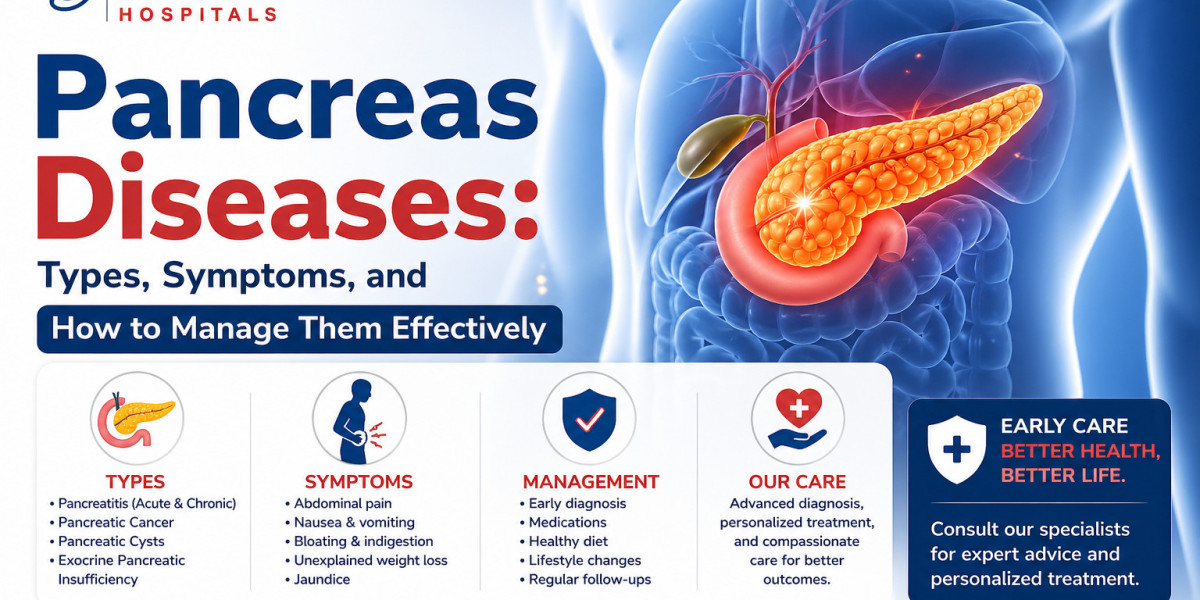
Pancreatic health is often overlooked until symptoms become severe. Unlike many other conditions, pancreas diseases can progress silently and become serious if not diagnosed early.
The pancreas plays a crucial role in digestion and blood sugar regulation. When it is affected, it can impact multiple systems in the body. Understanding pancreas diseases, their symptoms, and how to manage them effectively is essential for maintaining overall health.
What Are Pancreas Diseases
Pancreas diseases refer to conditions that affect the pancreas, a gland located behind the stomach. It produces digestive enzymes and hormones like insulin that regulate blood sugar levels.
When the pancreas is not functioning properly, it can lead to digestive problems, metabolic disorders, and in some cases, life-threatening complications.
Common Types of Pancreas Diseases
Different conditions fall under the category of pancreas diseases, each with its own causes and symptoms.
Pancreatitis
Pancreatitis is inflammation of the pancreas and can be acute or chronic.
Symptoms
- Severe abdominal pain
- Nausea and vomiting
- Fever
- Rapid pulse
Acute pancreatitis occurs suddenly and may resolve with treatment, while chronic pancreatitis develops over time and can lead to permanent damage.
Pancreatic Cancer
Pancreatic cancer is one of the more serious pancreas diseases and often goes undetected in early stages.
Symptoms
- Unexplained weight loss
- Jaundice
- Loss of appetite
- Persistent abdominal or back pain
Early diagnosis is critical for better outcomes.
Diabetes
The pancreas produces insulin, so disorders affecting it can lead to diabetes.
Symptoms
- Increased thirst
- Frequent urination
- Fatigue
- Blurred vision
Managing blood sugar levels is essential to prevent complications.
Pancreatic Cysts
These are fluid-filled sacs in the pancreas. Some are harmless, while others may require monitoring or treatment.
Symptoms
- Abdominal discomfort
- Bloating
- Nausea
Symptoms You Should Not Ignore
Many pancreas diseases share common warning signs that should not be overlooked.
Key Symptoms
- Persistent upper abdominal pain
- Sudden weight loss
- Jaundice (yellowing of skin and eyes)
- Digestive issues
- Loss of appetite
If you experience these symptoms, it is important to seek medical attention promptly.
You can book a consultation with a specialist for accurate diagnosis to understand the underlying cause and start timely treatment.
LGI Hospitals provides expert evaluation for pancreas-related conditions.
Causes and Risk Factors
Several factors can increase the risk of developing pancreas diseases.
Common Causes
- Excessive alcohol consumption
- Gallstones
- Smoking
- Obesity
- Genetic factors
- Poor diet
Understanding these risk factors can help in prevention and early intervention.
How Pancreas Diseases Are Diagnosed
Accurate diagnosis is essential for effective treatment.
Diagnostic Methods
- Blood tests
- Imaging tests such as ultrasound or CT scan
- MRI
- Endoscopic procedures
At LGI Hospitals, advanced diagnostic tools are used to identify pancreas conditions early and accurately.
Treatment Options for Pancreas Diseases
Treatment depends on the specific condition and its severity.
Medical Management
- Medications to reduce inflammation or pain
- Enzyme supplements for digestion
- Insulin therapy for diabetes
Lifestyle Changes
- Healthy diet
- Reduced alcohol consumption
- Regular exercise
Advanced Procedures
- Endoscopic treatments
- Surgical intervention in severe cases
Hospitals like LGI Hospitals offer comprehensive care tailored to each patient’s condition.
If you are experiencing symptoms, you can consult experienced doctors for pancreas disease treatment to receive appropriate care.
Why Early Treatment Matters
Delaying treatment for pancreas diseases can lead to serious complications such as:
- Chronic pain
- Digestive disorders
- Diabetes complications
- Increased risk of cancer progression
Early diagnosis and treatment improve outcomes and reduce the risk of long-term damage.
You can schedule an appointment for early diagnosis and expert care to ensure timely management.
LGI Hospitals emphasizes early intervention to improve patient outcomes.
Preventing Pancreas Diseases
While not all conditions can be prevented, certain lifestyle changes can reduce the risk.
Prevention Tips
- Maintain a balanced diet
- Avoid excessive alcohol consumption
- Quit smoking
- Stay physically active
- Manage weight effectively
These habits support overall pancreatic health and reduce risk factors.
Why Choose LGI Hospitals for Pancreas Care
Choosing the right healthcare provider is essential for managing pancreas diseases effectively.
LGI Hospitals offers:
- Experienced gastroenterologists
- Advanced diagnostic facilities
- Personalized treatment plans
- Comprehensive care for pancreatic conditions
LGI Hospitals ensures that patients receive accurate diagnosis and effective treatment in a supportive environment.
FAQs
What are the most common pancreas diseases
The most common pancreas diseases include pancreatitis, pancreatic cancer, diabetes, and pancreatic cysts.
What are the early symptoms of pancreas problems
Early symptoms include abdominal pain, weight loss, digestive issues, and jaundice.
Can pancreas diseases be treated
Yes, many pancreas diseases can be managed or treated effectively with early diagnosis and proper medical care.
When should I see a doctor for pancreas issues
You should consult a doctor if you experience persistent abdominal pain, unexplained weight loss, or digestive problems.
Final Thoughts
Understanding pancreas diseases is essential for early detection and effective management. Many of these conditions can be treated successfully if diagnosed in time.
Ignoring symptoms or delaying treatment can lead to serious complications, making it important to seek medical advice as soon as possible.
LGI Hospitals provides expert care, advanced diagnostics, and personalized treatment to help patients manage pancreas-related conditions effectively.
Taking timely action can make a significant difference in your health and recovery.