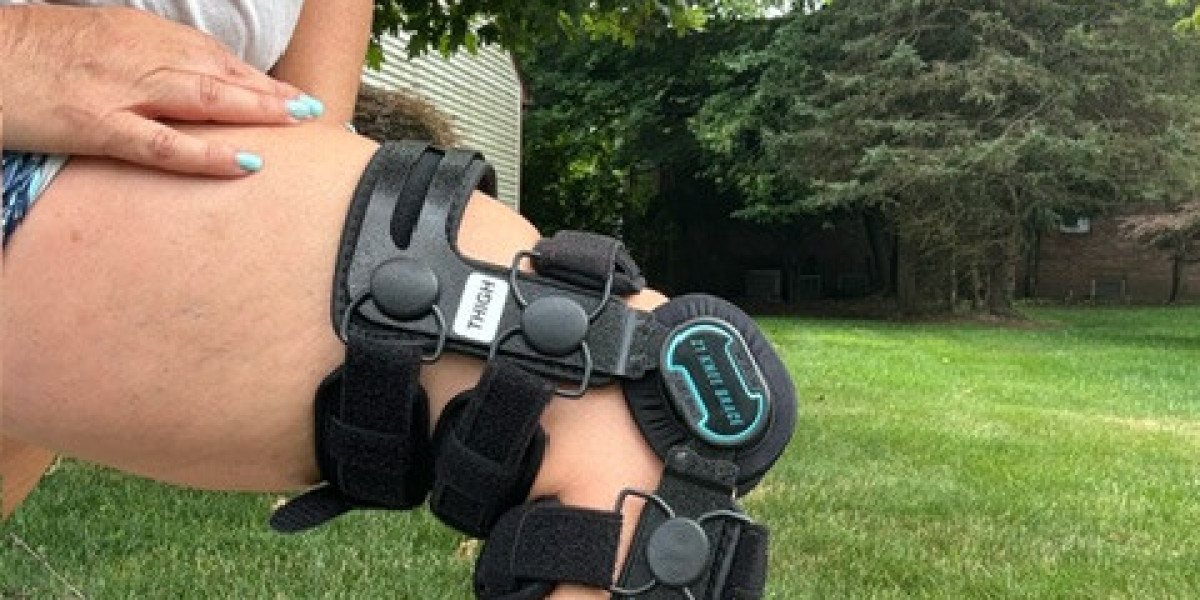
Sports injuries are an unavoidable part of an active lifestyle, whether you're a professional athlete or a fitness enthusiast. From minor sprains to serious ligament tears, injuries can disrupt performance and daily life. This is where sports injury braces play a crucial role. They not only support injured areas but also help prevent further damage and speed up recovery.
What Are Sports Injury Braces?
Sports injury braces are specialized supportive devices designed to stabilize joints, muscles, and ligaments during physical activity. They are commonly used for areas like the knee, ankle, wrist, elbow, and shoulder. These braces provide compression, limit harmful movements, and enhance overall joint alignment.
They are widely used in sports such as football, basketball, cricket, running, and gym training, where the risk of injury is higher.
Types of Sports Injury Braces
Different injuries require different types of braces. Here are the most common ones:
1. Knee Braces
Knee braces are among the most popular sports braces. They are used for:
- Ligament injuries (ACL, MCL)
- Meniscus tears
- Post-surgery recovery
Types include:
- Prophylactic braces – prevent injuries
- Functional braces – support injured knees
- Rehabilitative braces – limit movement during healing
2. Ankle Braces
Ankle braces help prevent and treat sprains, which are very common in sports.
- Provide lateral support
- Reduce swelling
- Improve balance and stability
3. Wrist Braces
Used in sports like tennis, badminton, and weightlifting.
- Help with tendonitis
- Reduce strain during repetitive motion
- Stabilize weak wrists
4. Elbow Braces
Commonly used for conditions like tennis elbow or golfer’s elbow.
- Provide compression
- Reduce pain and inflammation
- Improve muscle function
5. Shoulder Braces
Shoulder injuries can be complex. These braces:
- Limit excessive movement
- Support rotator cuff injuries
- Help in post-dislocation recovery
Benefits of Using Sports Injury Braces
1. Injury Prevention
Braces stabilize vulnerable joints, reducing the risk of sudden twists or impact injuries.
2. Faster Recovery
They support injured tissues, allowing them to heal properly without unnecessary strain.
3. Pain Reduction
Compression helps improve blood circulation and reduces inflammation, leading to less pain.
4. Improved Performance
Athletes often feel more confident and stable while wearing braces, improving overall performance.
5. Post-Surgery Support
After surgeries, braces are essential to protect the affected area and control movement.
How to Choose the Right Sports Injury Brace
Choosing the right brace is critical. Here are key factors to consider:
1. Type of Injury
Always match the brace to your specific injury. For example:
- Ligament injury → Functional knee brace
- Mild sprain → Compression sleeve
2. Level of Support
Braces come in different support levels:
- Mild support – for prevention
- Moderate support – for minor injuries
- Maximum support – for serious injuries
3. Material and Comfort
Look for breathable, lightweight materials that allow long-term wear without discomfort.
4. Fit and Size
A poorly fitted brace can do more harm than good. Ensure:
- Proper sizing
- Adjustable straps
- Snug but not tight fit
5. Doctor’s Recommendation
For serious injuries, always consult a medical professional before choosing a brace.
When Should You Use a Sports Brace?
You should consider using a sports injury brace if:
- You are recovering from an injury
- You have a history of joint instability
- You are returning to sports after surgery
- You want to prevent injuries during high-risk activities
Common Mistakes to Avoid
1. Over-Reliance on Braces
Braces are supportive tools, not substitutes for proper strength training or rehabilitation.
2. Using the Wrong Type
Using an incorrect brace may worsen your condition instead of improving it.
3. Ignoring Proper Fit
Too tight → restricts blood flow
Too loose → provides no support
4. Skipping Rehabilitation
Braces should be combined with physiotherapy and exercises for best results.
Tips for Maintaining Your Brace
- Clean regularly to prevent odor and bacteria
- Check for wear and tear
- Replace when elasticity or support decreases
- Store in a dry place
Are Sports Injury Braces Safe?
Yes, sports injury braces are generally safe when used correctly. However:
- Long-term unnecessary use may weaken muscles
- Incorrect usage can cause discomfort
Always use them as part of a broader injury management plan.
Conclusion
Sports injury braces are essential tools for athletes and active individuals. They offer protection, enhance recovery, and provide confidence during physical activities. However, choosing the right brace and using it correctly is crucial for maximum benefit.
Whether you're dealing with an injury or aiming to prevent one, investing in a good-quality sports brace can make a significant difference in your performance and overall joint health.