
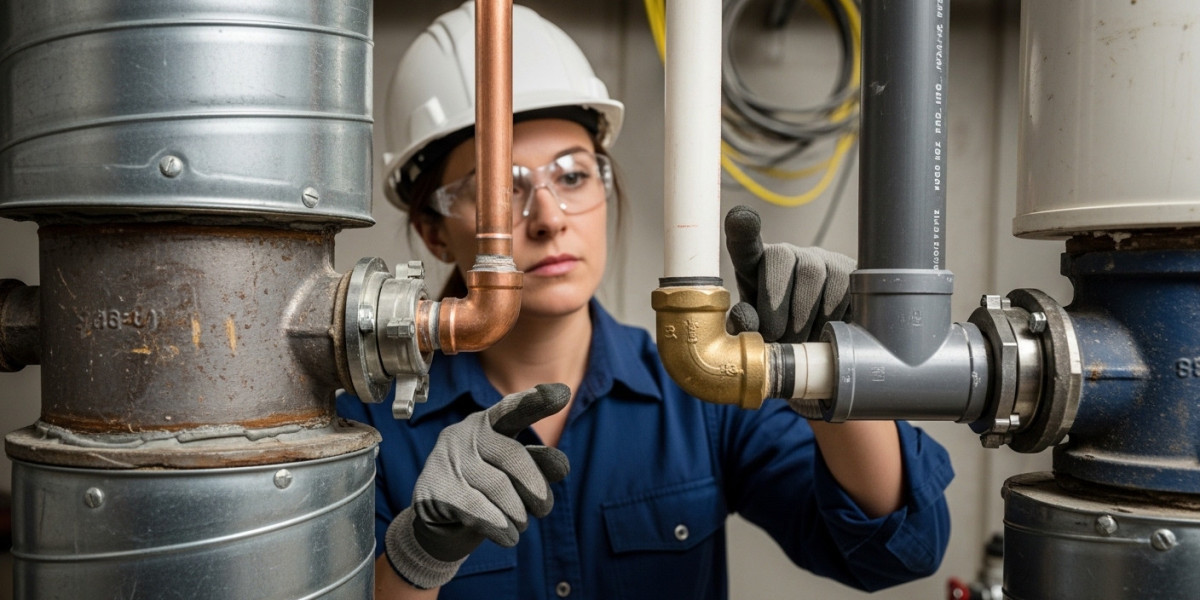
In modern building construction, HVAC (Heating, Ventilation, and Air Conditioning) and plumbing systems often share space and sometimes even interact within the same infrastructure. Both systems rely heavily on piping networks to function properly. When these systems are integrated without proper planning, issues like leakage, pressure imbalance, and system failure can occur.
Pipe compatibility plays a key role in ensuring that HVAC and plumbing systems work together smoothly without causing operational or structural problems.
Understanding Pipe Compatibility
Pipe compatibility refers to the ability of different pipe materials, sizes, and connection types to work together effectively within a single system.
In HVAC and plumbing integration, this means ensuring that pipes can handle similar pressure levels, temperature ranges, and fluid types without failure or inefficiency.
When compatibility is ignored, it can lead to serious performance issues and costly repairs.
Why HVAC and Plumbing Systems Interact
Although HVAC and plumbing systems serve different purposes, they often coexist in the same building structure.
Plumbing systems handle water supply and drainage, while HVAC systems manage air temperature and ventilation using chilled or heated water in some cases.
In many modern buildings, both systems rely on shared mechanical rooms and routing spaces, making compatibility essential.
Material Compatibility Matters
Different piping materials react differently to pressure, temperature, and chemical exposure.
For example, metal pipes may expand under heat, while plastic pipes behave differently under pressure. If incompatible materials are connected, it can lead to leaks or joint failures.
Choosing materials that work well together ensures long-term system stability.
Pressure and Temperature Matching
HVAC systems often involve fluctuating temperatures and pressure levels, especially in heating and cooling cycles.
Plumbing systems, on the other hand, require stable pressure for water distribution.
If pipes used in both systems are not rated for similar conditions, they may fail over time.
Proper matching of pressure and temperature ratings is essential for safe operation.
Importance of Proper Joint Connections
Pipe connections are one of the most critical points in system integration.
Using incompatible fittings or connectors can lead to weak joints, leakage, or system inefficiency.
Standardized fittings help ensure that different systems can be connected securely without compromising performance.
Avoiding Cross-System Contamination
In poorly designed systems, there is a risk of contamination between HVAC and plumbing lines, especially when water-based HVAC systems are used.
Proper pipe separation and compatibility prevent unwanted mixing of fluids or gases.
This ensures safe and hygienic operation within the building.
Impact on System Efficiency
When pipes are compatible, both HVAC and plumbing systems operate more efficiently.
Smooth flow of water and air reduces energy consumption and improves overall performance.
Incompatible systems may cause blockages, pressure drops, or energy loss.
Installation Flexibility and Design Efficiency
Compatible piping systems give engineers more flexibility in design and installation.
They can plan efficient layouts without worrying about material conflicts or technical limitations.
This leads to faster installation and reduced construction errors.
Long-Term Maintenance Benefits
Systems built with compatible pipes are easier to maintain.
Technicians can replace or repair sections without worrying about mismatched materials or fittings.
This reduces maintenance costs and improves system reliability over time.
Safety Considerations
Safety is a major concern in integrated building systems. Incompatible piping can lead to leaks, bursts, or system failures that may damage property or endanger occupants.
Ensuring compatibility reduces these risks and enhances overall building safety.
Role of Standardization in Construction
Industry standards help ensure that pipes used in HVAC and plumbing systems meet specific requirements.
These standards define pressure limits, material quality, and connection types.
Following standardized guidelines ensures smooth integration between different systems.
Role of Plasco Pipes in System Integration
Companies like Plasco Pipes provide high-quality piping solutions designed to meet modern construction requirements. Their products support compatibility across HVAC and plumbing systems, ensuring durability, efficiency, and safe integration in complex building environments.
Such reliable materials help engineers design systems with confidence and long-term stability.
Final Thoughts
Pipe compatibility is a critical factor in integrating HVAC and plumbing systems. It affects safety, efficiency, maintenance, and overall building performance.
When systems are designed with proper material matching, pressure balance, and standardized connections, they operate smoothly and reliably.
In modern construction, attention to compatibility is not optional—it is essential for long-term success and system safety.






