
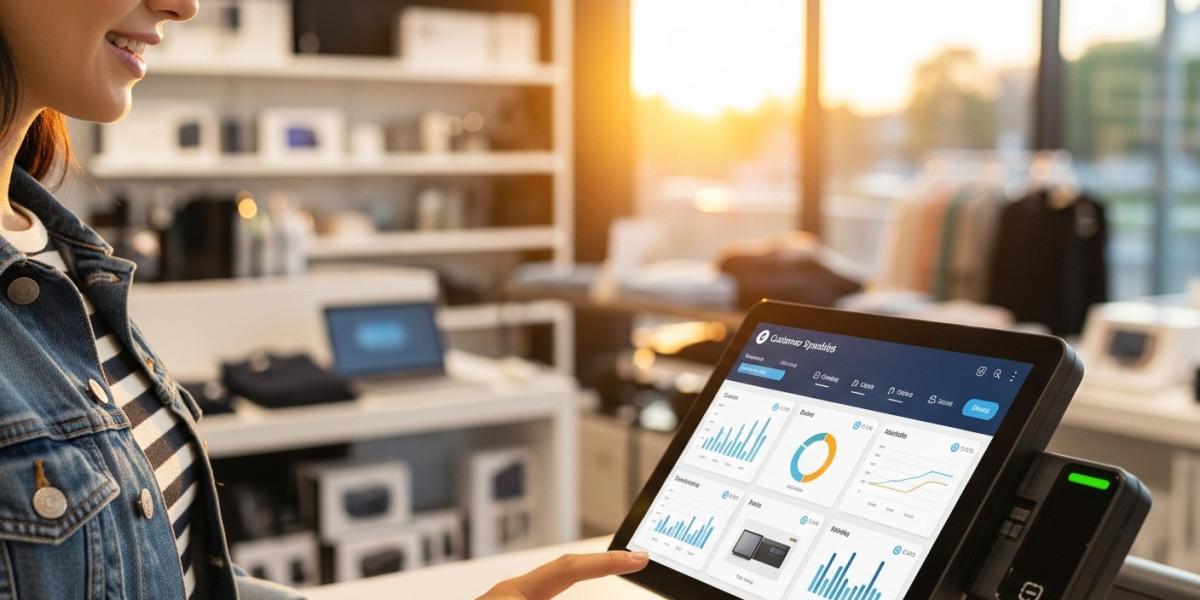
Modern retail is no longer limited to a single shopping channel. Customers now buy products in physical stores, online websites, mobile apps, and even through social media platforms. This shift has made it important for businesses to understand customer spending behavior across all these channels.
POS (Point of Sale) systems have evolved to support this need by offering multi-channel tracking features. These systems help businesses connect all sales data into one place, making it easier to analyze customer behavior and improve decision-making.
Understanding Multi-Channel Retail
Multi-channel retail means selling products through different platforms at the same time. A customer may see a product online, visit a store to check it, and then complete the purchase through a mobile app.
Each of these interactions contributes to the overall customer journey. Without proper tracking, businesses may lose valuable insights into how customers are actually spending.
POS systems help bring all these channels together.
How POS Systems Collect Customer Data
Modern POS systems are connected with online stores, mobile apps, and other sales platforms. Every transaction is recorded in a centralized system.
When a customer makes a purchase, the system identifies the customer through email, phone number, or loyalty ID. This allows businesses to track spending patterns across different channels.
All data is stored in one place for easy analysis.
Creating a Unified Customer Profile
One of the most important features of multi-channel POS systems is the creation of a unified customer profile.
This profile includes all purchase history, preferred products, spending frequency, and shopping channels used by the customer.
With this information, businesses can understand customer behavior more clearly and offer personalized experiences.
Tracking Online and Offline Purchases Together
Traditionally, online and offline sales were tracked separately. This made it difficult to understand the complete customer journey.
POS systems now integrate both types of sales into one system. Whether a customer buys in-store or online, the data is linked to the same profile.
This provides a complete view of customer spending habits.
Understanding Customer Preferences
By analyzing multi-channel data, businesses can identify what customers prefer. Some customers may prefer in-store shopping, while others may shop online more frequently.
This information helps businesses adjust their marketing strategies and product availability.
Understanding preferences leads to better customer satisfaction and higher sales.
Improving Loyalty Programs
POS systems make loyalty programs more effective by tracking customer activity across all channels.
Points, rewards, and discounts can be applied regardless of where the purchase is made.
This encourages customers to engage more with the brand across different platforms.
Better Inventory and Sales Planning
Tracking customer spending across channels helps businesses predict demand more accurately.
If a product is selling well online but not in stores, businesses can adjust inventory accordingly.
This ensures better stock management and reduces waste or shortages.
Personalized Marketing Opportunities
With detailed customer data, businesses can create targeted marketing campaigns.
For example, customers who frequently shop online can receive digital offers, while in-store shoppers can get physical promotions.
This level of personalization improves engagement and increases sales.
Real-Time Data Insights
Modern POS systems provide real-time updates on customer spending. This allows businesses to react quickly to changes in buying behavior.
For example, if a product suddenly becomes popular across multiple channels, businesses can increase stock or run promotions immediately.
Real-time insights improve decision-making speed.
Reducing Data Silos in Retail
Without integrated systems, customer data is often stored in separate platforms, creating data silos.
POS systems eliminate this problem by combining all data into one system. This makes it easier to analyze and use information effectively.
A unified system improves overall business efficiency.
Enhancing Customer Experience
When businesses understand customer behavior across channels, they can offer a smoother shopping experience.
Customers may receive consistent pricing, better recommendations, and faster service regardless of where they shop.
This improves satisfaction and builds long-term loyalty.
Role of Mhouse in Multi-Channel Tracking
Platforms like Mhouse provide advanced POS solutions that support multi-channel integration. These systems help businesses track customer spending across different platforms and create a unified view of sales performance.
By combining offline and online data, Mhouse helps retailers make smarter decisions and improve customer engagement.
Final Thoughts
Tracking customer spend across multiple channels is essential in today’s retail environment. POS systems make this possible by integrating all sales data into one platform.
This helps businesses understand customer behavior, improve marketing strategies, and optimize inventory management.
As retail continues to evolve, multi-channel POS tracking will play a key role in building stronger customer relationships and improving overall business performance.






