
Environmental DNA, commonly referred to as eDNA, is genetic material that is shed by organisms into their surrounding environment, such as water, soil, or air. This cellular debris—which can include skin cells, hair, feces, or mucus—contains a wealth of biological information that can be captured and analyzed without ever needing to physically encounter the source organism. While eDNA was originally developed as a tool for marine biologists to track endangered species or invasive fish populations, its application has rapidly expanded into the realm of human public health. By sampling the "footprints" of pathogens and biological markers in our shared environments, scientists can now monitor the health of entire populations in real-time. This non-invasive method is revolutionizing how we detect disease outbreaks and understand the complex interactions between human communities and the biological world they inhabit.
The Science of eDNA Extraction and Analysis
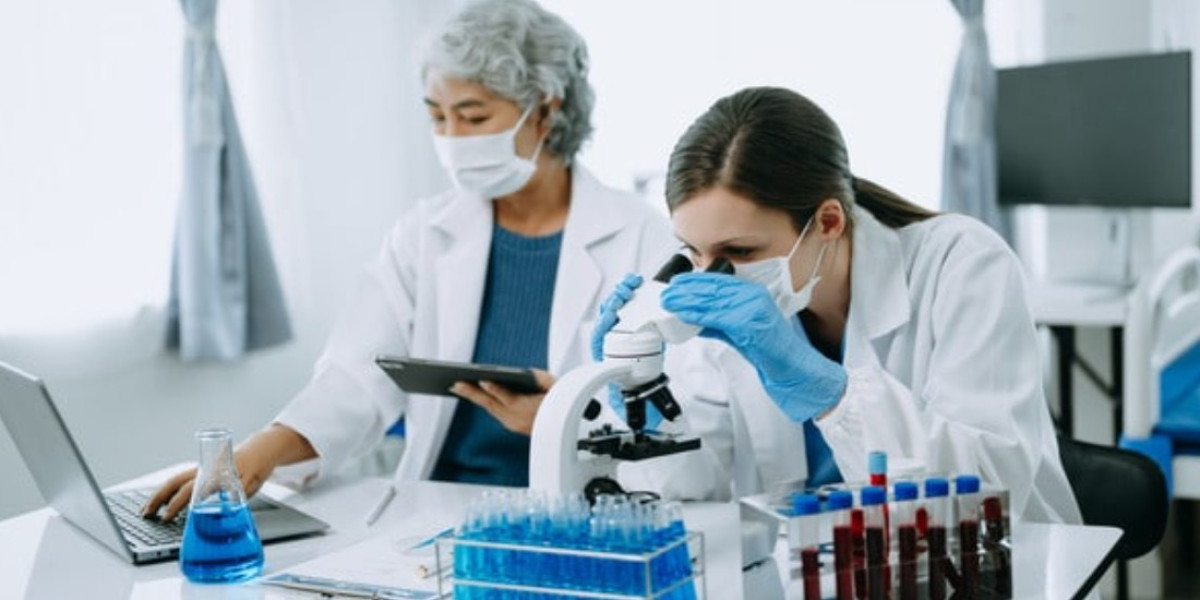
The process of eDNA monitoring begins with the collection of environmental samples, which are then filtered to concentrate the minute fragments of genetic material. Once the samples are in a controlled setting, a skilled lab technician uses advanced molecular techniques like Polymerase Chain Reaction (PCR) or Next-Generation Sequencing (NGS) to amplify and identify specific DNA sequences. This work requires extreme precision, as environmental samples are often degraded or contaminated with "inhibitors" that can mask the presence of the target pathogens. The role of the lab technician is critical here; they must ensure that the extraction process is conducted under sterile conditions to avoid cross-contamination. This high level of technical rigor is what allows eDNA to be a reliable source of data for public health officials who need to make swift, evidence-based decisions during a biological crisis.
Wastewater Surveillance: The Front Line of Public Health
Perhaps the most famous application of eDNA monitoring is wastewater-based epidemiology. Because humans shed the genetic signatures of viruses and bacteria through their waste, municipal sewage systems act as a giant, communal eDNA sample. During recent global health crises, eDNA monitoring in wastewater allowed health departments to detect the presence of pathogens weeks before clinical cases began appearing in hospitals. This early warning system provides a crucial "head start" for resource allocation and vaccination campaigns. Managing these complex datasets and ensuring the integrity of the samples requires a workforce that is well-versed in both biology and chemistry. A career as a lab technician in this field involves constant vigilance and the ability to operate sophisticated diagnostic machinery that can pick up a single viral fragment in a liter of wastewater, providing a snapshot of a city's health from a single pipe.
Monitoring Zoonotic Diseases and One Health Initiatives
The "One Health" approach recognizes that human health is inextricably linked to the health of animals and the environment. eDNA monitoring is a vital tool in this initiative, particularly for tracking zoonotic diseases—those that jump from animals to humans. By sampling the air in livestock markets or the water in wildlife habitats, researchers can identify emerging strains of influenza or other coronaviruses before they spill over into human populations. This proactive surveillance is much more cost-effective than reactive medicine. The technical infrastructure required to support these international monitoring networks is massive.
Air Quality and the Detection of Airborne Pathogens
Beyond water and soil, the air we breathe is a rich medium for eDNA monitoring. New technologies are allowing for the collection of bioaerosols in crowded public spaces like airports, schools, and hospitals. By analyzing the eDNA captured from air filtration systems, public health officials can monitor the spread of respiratory illnesses or even detect the presence of dangerous allergens and fungal spores. This level of environmental monitoring provides a much more comprehensive view of "exposure risk" than individual clinical testing ever could. However, air-based eDNA is often found in very low concentrations, making the amplification process extremely difficult.
Ethics, Privacy, and the Future of Genetic Surveillance
As eDNA technology becomes more sensitive, it raises important ethical questions regarding privacy and consent. While eDNA is used to track pathogens, it is also theoretically possible to capture human genetic data from environmental samples. Public health guidelines are currently being established to ensure that eDNA monitoring remains focused on "de-personalized" biological threats rather than individual tracking. For the professionals working with this data, maintaining ethical standards is just as important as maintaining technical accuracy. A responsible lab technician must adhere to strict data protection protocols, ensuring that the genetic information they extract is used solely for the intended public health purposes. As the field matures, the intersection of ethics and technology will become a major focus of training for anyone entering the laboratory sciences, ensuring that eDNA continues to be a tool for collective safety rather than a source of privacy concern.
Conclusion: Empowering the Next Generation of Lab Experts
Environmental DNA monitoring is no longer a futuristic concept; it is a current reality that is saving lives by providing a clearer picture of our biological landscape. From the depths of sewage systems to the air in our local communities, eDNA is the invisible thread that connects environmental monitoring to human survival. The success of this field depends entirely on the expertise and dedication of the people behind the microscopes and sequencing machines.






