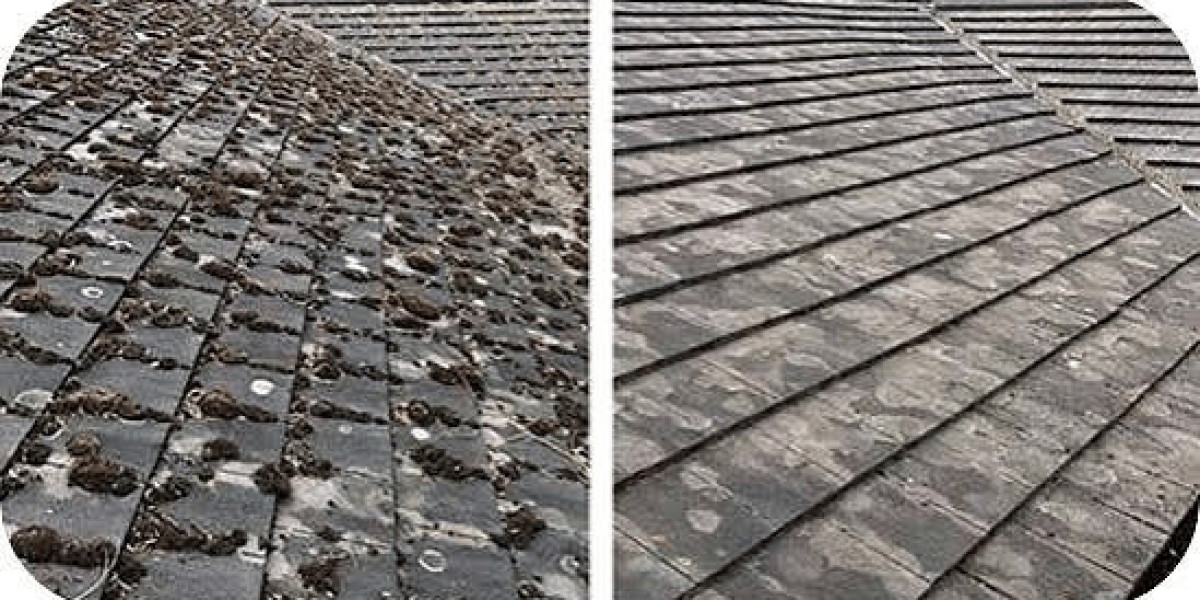
Moss and algae are common problems on roofs, particularly in areas that experience regular rainfall, shade and damp conditions. While a small amount of growth may initially appear harmless, allowing it to spread can make the roof look neglected and may contribute to blocked gutters and increased moisture retention.
Removing moss and algae safely requires more than simply reaching for a pressure washer or harsh cleaning chemical. Different roofing materials require different cleaning methods, and working at height also creates genuine safety risks.
Understanding the safest approach can help homeowners protect both the roof and themselves while deciding when professional assistance is appropriate.
Why Do Moss and Algae Grow on Roofs?
Moss and algae thrive in damp environments. Roofs that receive limited direct sunlight can remain wet for longer after rainfall, creating conditions where organic growth can establish.
Nearby trees can also contribute. Falling leaves, pollen and other organic matter can collect on roof surfaces and retain moisture.
North-facing roof sections and areas beneath overhanging branches can be particularly susceptible. Once moss becomes established, it can gradually spread across tiles or other roofing surfaces.
Is Moss Harmful to a Roof?
Moss itself does not automatically mean that a roof is damaged. However, heavy growth should not simply be ignored.
Moss can retain moisture and may sit between or around roofing materials. In some situations, this can contribute to deterioration over time, particularly where tiles are already weathered or damaged.
Large amounts of moss can also become loose during heavy rain or strong winds and eventually find their way into gutters and drainage systems.
Regular inspection and appropriate cleaning can help homeowners keep organic growth under control.
Why Algae Should Also Be Removed
Algae can create dark green, black or brown-looking marks across roof surfaces. Unlike moss, algae may appear more like staining because it can spread across larger areas.
Although algae is generally more superficial than established moss, extensive growth can make a roof look considerably older and dirtier than it actually is.
Removing it using an appropriate method can improve the overall appearance of the property while helping keep the roof surface free from unnecessary organic contamination.
Avoid Using a Pressure Washer Without Proper Knowledge
Pressure washing can appear to be a quick way to remove moss and algae, but high-pressure water can potentially damage some roofing materials.
Older tiles may already be weathered or fragile. Excessive pressure can disturb protective surfaces, dislodge materials or force water into areas where it should not enter.
This does not mean pressure washing is appropriate for every roof or completely unsuitable in every circumstance. The important point is that the method, pressure and equipment must be appropriate for the specific roofing material.
Choose the Cleaning Method Based on the Roof
Not every roof should be treated in the same way. Concrete tiles, clay tiles, slate and other roofing materials can have different requirements.
Before cleaning begins, the roof should be inspected for visible cracks, loose tiles, damaged areas and other concerns.
The chosen method should aim to remove organic growth without unnecessarily affecting the underlying material. Where there is uncertainty about the correct technique, professional advice is preferable to experimenting with unsuitable equipment.
Why Roof Access Is a Safety Concern
Roof cleaning involves working at height and can become particularly hazardous when surfaces are wet, sloped or covered with moss.
Ladders may not provide sufficient stability for extensive roof work, and walking directly across roof tiles can create a risk of slipping or causing damage.
Professional roof cleaners have experience with access requirements and suitable equipment. Homeowners should avoid attempting difficult roof work simply to save time or money, especially where safe access cannot be established.
What About Moss Around Gutters?
When moss is removed from a roof, loose material can fall into the guttering. This can contribute to blockages and restrict rainwater flow.
For this reason, gutter condition should be considered as part of wider roof maintenance. Clearing accumulated organic material from gutters can help reduce the risk of overflowing during heavy rainfall.
Keeping the roof and drainage system maintained together provides a more complete approach to exterior property care.
Can Moss and Algae Be Prevented?
No method can guarantee that moss and algae will never return. However, regular maintenance can help slow the build-up.
Keeping gutters clear, removing excessive leaf accumulation and monitoring shaded roof areas can all help. Overhanging branches may also be worth managing where they contribute significantly to damp conditions and debris.
Regular visual inspections can identify early growth before it becomes extensive.
How Often Should a Roof Be Checked?
The ideal inspection frequency depends on the property and its environment. Homes surrounded by trees or positioned in shaded areas may require more frequent checks.
After periods of heavy rainfall or during wetter seasons, homeowners can look for visible changes such as new moss growth, dark staining, blocked gutters or loose organic material.
Professional inspections can be particularly useful when the roof is difficult to access safely or when growth has become extensive.
When Should You Call a Professional?
Professional help is advisable when moss has spread over a large section of the roof, access is difficult, tiles appear damaged or you are unsure which cleaning method is suitable.
A professional can assess the surface before deciding how to approach the work. This reduces the risk of using excessive pressure, unsuitable chemicals or inappropriate equipment.
For homeowners in the Manchester area, a Roof Cleaning Service in Manchester can provide specialist attention to suitable roof surfaces affected by moss, algae, dirt and weather-related deposits.
What About Conservatory Roofs?
Conservatory roofs can also develop algae, moss and general grime, particularly when they are surrounded by trees or remain shaded.
However, conservatory roofs often use different materials from traditional tiled roofs. Glass and polycarbonate panels require appropriate cleaning techniques to avoid scratching or damaging the surface.
If the conservatory roof has become heavily marked, professional cleaning can help restore a clearer and more attractive appearance. A Conservatory Cleaning Service in Manchester can address the roof, glazing and suitable framework as part of a wider maintenance service.
Keeping Your Roof Looking Clean and Well Maintained
Removing moss and algae is not simply about improving kerb appeal. Appropriate roof maintenance can help homeowners identify visible defects, keep drainage systems clear and prevent organic growth from becoming excessively established.
The safest approach is to assess the roof first, select a suitable cleaning method and avoid using equipment that could damage the roofing material.
BrightWhite UPVC Cleaning Services
544 Oldham Rd, Middleton, Manchester M24 2EB
0161 284 0618
BrightWhite UPVC Cleaning Services can help homeowners maintain their property's exterior with professional roof, conservatory, UPVC and gutter cleaning. The business also provides services such as pressure washing, driveway and patio cleaning and other exterior maintenance solutions.
If your roof has developed heavy moss, algae or weather-related staining, contacting BrightWhite can help you discuss the most suitable cleaning approach for your property. Homeowners with conservatory roofs can also enquire about professional cleaning to deal with dirt, algae and other deposits on glazing and framework.
For suitable roofing surfaces, a Roof Cleaning Service in Manchester can provide targeted maintenance, while a Conservatory Cleaning Service in Manchester can help restore the appearance of conservatory roofs, glass and UPVC features.