Skin sensitivity has become an increasingly common concern. People may notice burning after applying skincare products, redness after washing the face, frequent dryness, itching, or a sudden reaction to products that were previously tolerated well.
These symptoms are often described simply as having “sensitive skin.” However, sensitivity is not always a diagnosis. It can be influenced by a damaged skin barrier, environmental exposure, excessive use of active ingredients, an underlying inflammatory condition, or an allergic reaction.
Understanding the difference is important because adding more products to irritated skin may sometimes make the problem worse.
For people searching for a Skin Specialist In Roorkee, learning how the skin barrier works and recognising signs of persistent sensitivity can help distinguish ordinary temporary irritation from a condition that may need professional assessment. A Skin Doctor In Roorkee can evaluate the pattern of symptoms, examine the skin, review product and medication history, and determine the likely cause.
What Is the Skin Barrier?
The outermost layer of the skin acts as a protective barrier between the body and the external environment.
It helps limit excessive water loss while providing protection against irritants, allergens, microorganisms, and environmental stressors.
When this barrier functions properly, skin generally feels comfortable and resilient.
When it becomes disrupted, the skin may become:
Dry
Tight
Red
Flaky
Itchy
Sensitive
Prone to burning or stinging
A damaged barrier does not necessarily mean that someone has a chronic skin disease. Temporary irritation can occur after excessive exfoliation, harsh cleansing, weather changes, or exposure to an irritating substance.
However, persistent symptoms deserve closer attention.
Why Skin Becomes Sensitive
There is no single cause of sensitive skin.
Some people naturally have reactive skin, while others develop sensitivity because of changes in their skincare routine or an underlying dermatological condition.
Possible contributors include:
Excessive cleansing
Frequent exfoliation
Strong active ingredients
Fragranced products
Harsh detergents
Cold or dry weather
Excessive sun exposure
Contact with irritants
Eczema or dermatitis
Certain medications
Allergic reactions
The same product can therefore be well tolerated by one person and irritating to another.
Over-Exfoliation Can Damage the Skin Barrier
Exfoliation is often promoted as a way to achieve smoother-looking skin.
Certain exfoliating ingredients can be useful when appropriately selected and used. However, more exfoliation does not necessarily produce better skin.
Using multiple exfoliating products together or applying them too frequently may cause irritation.
Possible signs include:
Burning
Stinging
Redness
Peeling
Tightness
Increased sensitivity
Dry patches
When these symptoms appear, continuing to add active ingredients may worsen the irritation.
Sometimes simplifying the skincare routine is a more appropriate response.
Strong Skincare Does Not Mean Better Skincare
The popularity of active ingredients has created the impression that a stronger product must produce better results.
This is not necessarily true.
Retinoids, exfoliating acids, acne treatments, and other active ingredients can have useful dermatological roles, but they also need to be used appropriately.
The correct choice depends on the person's skin condition, tolerance, age, other products, and treatment goals.
A product that works well for acne may not be appropriate for someone whose primary problem is eczema or a damaged skin barrier.
This is why skincare should be based on the skin's actual needs rather than following trends.
Irritation and Allergy Are Not the Same
One of the most important distinctions in skin sensitivity is the difference between irritation and allergic contact dermatitis.
Irritant contact dermatitis can occur when a substance directly damages or irritates the skin.
Allergic contact dermatitis involves an immune response to a substance to which the person has become sensitised.
Both can cause redness, itching, burning, dryness, or scaling.
However, the history and pattern may provide important clues.
A reaction that repeatedly occurs after exposure to a particular product or ingredient may warrant professional evaluation, especially if symptoms persist despite stopping the suspected product.
Fragrance Can Be a Problem for Some People
Fragrances are common in cosmetics, skincare products, shampoos, soaps, and household products.
Many people tolerate them without difficulty, but some individuals may develop irritation or allergic reactions.
People with eczema or particularly reactive skin may sometimes benefit from simplifying their product routine and avoiding unnecessary potential irritants.
“Natural” or botanical products should not automatically be assumed to be non-irritating. Plant-derived ingredients can also cause allergic reactions in susceptible individuals.
How Climate Can Affect Sensitive Skin
Environmental conditions can influence skin barrier function.
In hot weather, sweating and increased oil production may contribute to discomfort, acne, or irritation in susceptible individuals.
During colder or drier periods, reduced environmental humidity can contribute to dryness and increased tightness.
Dust and environmental exposure may also aggravate symptoms in some people.
For individuals living in Roorkee and surrounding areas, adjusting basic skincare according to seasonal conditions can be practical.
However, persistent symptoms should not automatically be attributed to the weather.
Sun Exposure Can Increase Skin Stress
Ultraviolet exposure can contribute to several skin concerns, including pigmentation and premature visible ageing.
People with sensitive or pigmentation-prone skin may find that prolonged sun exposure aggravates their concerns.
Sun-protective measures can include:
Broad-spectrum sunscreen
Protective clothing
Hats
Shade
Avoiding unnecessary prolonged direct exposure
Sunscreen should be selected according to individual skin needs and used according to the product's directions.
It is also important to remember that sunscreen does not replace other protective measures.
Dry Skin Can Make Sensitivity Worse
Dry skin and sensitive skin often overlap.
When the skin becomes excessively dry, the barrier may become less effective, potentially increasing discomfort and sensitivity.
Common causes of dryness include:
Cold or dry weather
Hot showers
Harsh cleansers
Frequent washing
Certain medications
Underlying skin conditions
A moisturiser can help reduce water loss and improve skin comfort.
However, persistent dryness accompanied by significant itching, redness, cracking, or recurrent rashes may indicate an underlying condition such as eczema or dermatitis.
Eczema and Sensitive Skin Can Look Similar
Eczema can cause dry, itchy, inflamed skin and may be mistaken for ordinary sensitivity.
Symptoms can fluctuate, with periods of improvement followed by flare-ups.
Triggers vary between individuals and may include:
Irritants
Fragrances
Certain fabrics
Environmental changes
Stress
Dryness
Other individual triggers
Managing eczema involves more than simply applying moisturiser. Depending on severity, appropriate medical treatment may be required.
A diagnosis is particularly important when symptoms are recurrent or significantly affecting daily life.
Acne-Prone Skin Can Also Become Irritated
People with acne sometimes use several products simultaneously in an attempt to clear their skin quickly.
They may combine exfoliating acids, acne treatments, scrubs, masks, cleansers, and other active ingredients.
This can create excessive irritation.
Acne treatment needs to balance controlling breakouts with maintaining the skin barrier.
If the skin becomes persistently red, burning, peeling, or unusually sensitive, the routine may need reassessment.
This does not mean that acne treatments are inherently harmful. Rather, their use needs to be appropriate for the individual's skin.
Why Repeated Product Switching Can Be a Problem
When a skincare product does not produce immediate results, people often replace it quickly.
This can create several problems.
First, the skin may be exposed to multiple new ingredients within a short period.
Second, if irritation develops, it becomes difficult to identify which product caused it.
Third, some dermatological treatments require consistent use over time before their effects can be assessed.
A simpler routine makes it easier to identify patterns and determine what the skin tolerates.
When Should You Consult a Skin Specialist In Roorkee?
Occasional dryness or temporary irritation may improve after removing an obvious trigger and simplifying skincare.
Professional assessment becomes more useful when symptoms:
Persist for several weeks
Repeatedly return
Spread to new areas
Cause significant itching
Cause burning or pain
Produce swelling
Result in cracking or bleeding
Interfere with sleep
Do not improve after reasonable basic care
A Skin Specialist In Roorkee may assess the appearance, distribution, duration, and severity of the symptoms and review possible triggers.
What a Skin Doctor In Roorkee May Ask
A dermatological consultation often begins with a detailed history.
Questions may include:
When did the sensitivity begin?
Was a new product introduced?
Has the skincare routine changed?
Are symptoms worse after washing?
Is there itching, burning, or pain?
Does the problem occur in specific areas?
Has anything similar happened previously?
Are there known allergies?
Are medications being used?
Does the problem change with weather?
The skin is then examined carefully.
Depending on the presentation, additional investigations may sometimes be considered.
The objective is to determine whether the problem represents simple irritation, dermatitis, eczema, allergy, infection, or another condition.
Searching for a Skin Specialist In Roorkee Near Me
People often search Skin Specialist In Roorkee Near Me when a persistent skin concern becomes difficult to manage.
Proximity can make healthcare more convenient, but clinical assessment should remain the priority.
Useful questions to consider include:
Is the skin problem properly examined?
Is the likely cause explained?
Are treatment options discussed clearly?
Are potential side effects explained?
Are realistic expectations provided?
Is follow-up advised when necessary?
These factors can be more useful than choosing care based solely on online popularity or promotional claims.
When to Search for a Skin Doctor In Roorkee Near Me
A search for Skin Doctor In Roorkee Near Me may be appropriate when skin sensitivity is accompanied by symptoms that do not have an obvious explanation.
Examples include:
Persistent facial redness
Recurrent rashes
Severe itching
Repeated reactions to skincare products
Swelling after product exposure
Cracked or bleeding skin
Persistent scaling
Worsening eczema-like symptoms
Skin changes that continue despite stopping suspected irritants
Professional assessment can help determine whether further treatment or investigation is necessary.
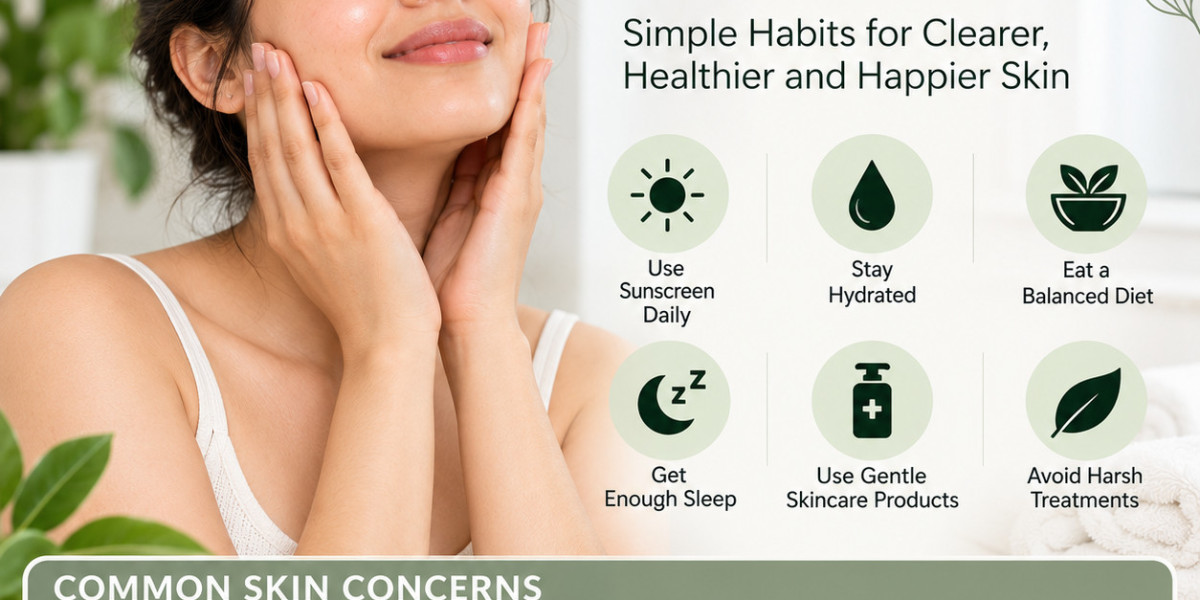
Practical Steps for Sensitive Skin
While individual needs differ, several general principles can help reduce unnecessary irritation.
Keep cleansing gentle
Avoid excessively hot water and aggressive scrubbing.
Avoid unnecessary product layering
Using fewer products can make it easier to identify potential triggers.
Moisturise appropriately
A suitable moisturiser can help support the skin barrier.
Protect against excessive sun exposure
Use sun-protective measures consistently.
Introduce new products cautiously
Adding several products simultaneously makes reactions harder to identify.
Do not ignore persistent symptoms
Repeated irritation may indicate a dermatological condition rather than simple sensitivity.
Frequently Asked Questions
Is sensitive skin a medical condition?
Not necessarily. Sensitivity can describe a tendency toward irritation, but persistent symptoms may sometimes indicate an underlying dermatological condition.
Can over-exfoliation damage the skin?
Yes. Excessive exfoliation can disrupt the skin barrier and cause dryness, burning, redness, and increased sensitivity.
Are natural skincare products always safer?
No. Natural or botanical ingredients can also irritate the skin or cause allergic reactions.
Can weather cause sensitive skin?
Environmental conditions can contribute to dryness and irritation, but persistent symptoms should not automatically be attributed to weather.
When should I see a Skin Specialist In Roorkee?
Consider professional evaluation when sensitivity is persistent, recurrent, painful, severely itchy, spreading, or not improving after reasonable basic care.
What should I consider when searching for a Skin Doctor In Roorkee Near Me?
Consider proper clinical assessment, clear communication, evidence-based recommendations, realistic expectations, and appropriate follow-up.
Conclusion
Skin sensitivity is not always simply a matter of having “sensitive skin.” A disrupted barrier, excessive skincare, environmental exposure, eczema, dermatitis, allergy, infection, and other conditions can produce overlapping symptoms.
Understanding the difference can help people avoid unnecessary product experimentation and recognise when professional assessment may be appropriate.
For anyone searching for a Skin Specialist In Roorkee, the most useful approach is to understand the cause of persistent sensitivity rather than continuously adding products.
Whether someone searches for a Skin Specialist In Roorkee Near Me, a Skin Doctor In Roorkee, or a Skin Doctor In Roorkee Near Me, the underlying principle remains the same: assess the skin carefully, identify potential triggers, protect the skin barrier, and seek appropriate medical guidance when symptoms persist.
Healthy skin does not require an unnecessarily complicated routine. It requires understanding, consistency, protection, and appropriate care when something changes.