
Sequencing is an essential skill that helps children understand the order in which things happen. It plays an important role in everyday activities, language development, reading comprehension, problem-solving, and independent learning. Children use sequencing when they follow instructions, get ready for school, tell a story, complete a puzzle, or explain what they did during the day.
How to Teach Kids About Sequencing does not have to involve complicated lessons or worksheets. Parents, teachers, and caregivers can introduce this skill through simple activities, conversations, games, stories, and daily routines. When children practice sequencing regularly, they gradually learn to organize information and understand how one event connects to another.
What Is Sequencing?
Sequencing is the ability to understand and arrange events, actions, or ideas in the correct order. It involves recognizing what happens first, what happens next, and what happens last.
For example, when a child brushes their teeth, there is a natural sequence: they get their toothbrush, put toothpaste on it, brush their teeth, rinse their mouth, and put the toothbrush away.
Sequencing is also important when children read stories. They need to understand the beginning, middle, and end of a story. If they can identify the order of events, they are more likely to understand and remember what they have read.
Why Is Sequencing Important for Children?
Sequencing supports several important areas of child development. It helps children follow multi-step instructions and complete tasks correctly. It also strengthens memory because children need to remember information in a particular order.
Sequencing is particularly useful for reading and writing. When children understand how events happen in order, they can better understand stories and eventually organize their own writing.
It also supports problem-solving and logical thinking. Children learn that some actions need to happen before others and that changing the order of steps can sometimes change the result.
Start With Simple Everyday Routines
Everyday routines are one of the best ways to introduce sequencing because children experience them regularly. Parents can talk through familiar routines and encourage children to identify each step.
For example, when getting ready for school, ask your child what they need to do first. They might say they need to get out of bed. Then they may brush their teeth, get dressed, eat breakfast, and pack their school bag.
Use questions such as:
- “What happens first?”
- “What comes next?”
- “What do we do after that?”
- “What happens at the end?”
Repeating these questions during daily routines helps children understand sequencing naturally.
Use Picture Cards and Visual Activities
Pictures can make sequencing easier, especially for younger children. Choose three to six pictures showing the different stages of an activity. For example, you might use pictures showing a seed being planted, watered, growing into a plant, and producing a flower.
Mix up the pictures and ask the child to arrange them in the correct order. Once they have finished, ask them to explain what is happening in each picture.
Visual sequencing activities are particularly useful because children can physically see the relationship between different events. They can also rearrange the pictures if they make a mistake, making the learning process interactive.
Read Stories Together
Storybooks are excellent tools for developing sequencing skills. After reading a story, talk to your child about the order of events.
Ask questions such as, “What happened at the beginning?” “What happened next?” and “How did the story end?”
You can also encourage your child to retell the story in their own words. Younger children may need pictures as reminders, while older children can retell the story without visual support.
If your child mixes up the order, gently guide them by asking what happened before or after a particular event.
Practice Sequencing While Cooking
Cooking is a fun and practical way to teach sequencing. Recipes naturally require people to complete steps in a particular order.
For example, when making a simple sandwich, your child might first collect the bread, then add the filling, put the slices together, cut the sandwich, and serve it.
Ask your child to explain each step before or after completing it. You can even intentionally leave out a step and ask, “What should we do next?”
Cooking also helps children understand why order matters. Some steps cannot be completed until earlier steps have been finished.
Turn Sequencing Into a Game
Games can make learning feel exciting rather than like a formal lesson. Give children a series of simple actions and ask them to perform them in the correct order.
For example, say, “First clap your hands, then touch your head, and finally jump.” Once the child becomes comfortable with three steps, add more.
You can also create memory games in which children listen to a sequence of actions and repeat them. Matching games, puzzles, and simple board games can also provide opportunities to practice remembering and following sequences.
Teach Important Sequencing Words
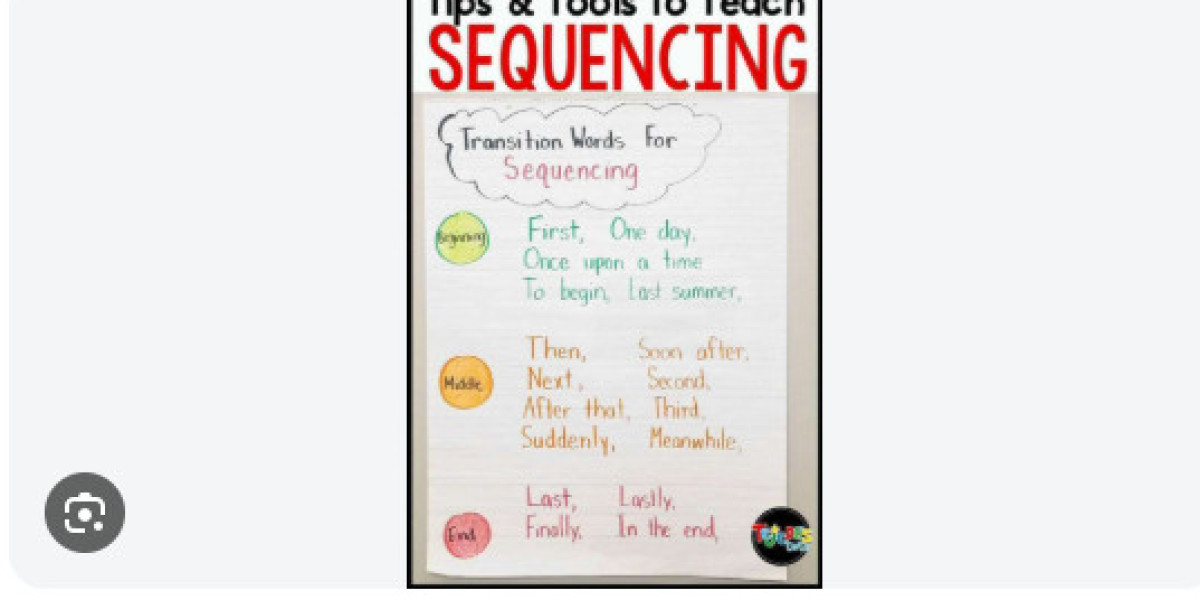
Children need vocabulary to describe the order of events. Introduce words such as first, second, next, then, before, after, later, finally, beginning, middle, and end.
Use these words during everyday conversations. For example, you could say, “First we will clean the toys, then we will have dinner, and finally we can read a book.”
Encourage children to use these words when describing their own activities. This not only improves sequencing skills but also strengthens their language and communication abilities.
Use Arts and Crafts
Craft activities often involve several steps, making them ideal for sequencing practice. Choose a simple project, such as creating a paper flower, drawing a picture, or making a greeting card.
Before beginning, discuss the steps with your child. Ask them what needs to happen first and what should happen afterward.
When the project is complete, ask the child to explain how they made it. They can use sequencing words such as “first,” “next,” and “finally” to describe the process.
Encourage Storytelling
Encourage children to create their own stories. Ask them to describe something that happened during their day or invent a story about characters they enjoy.
Help them organize the story into a beginning, middle, and ending. If they jump between events, ask questions such as, “What happened before that?” or “What happened next?”
Storytelling allows children to practice sequencing while developing creativity, imagination, vocabulary, and communication skills.
Practice With Daily Instructions
Another useful strategy is to give children simple multi-step instructions. For example, you might say, “Put your shoes away, wash your hands, and sit at the table.”
Start with two steps for younger children and gradually increase the number of instructions as their ability improves.
You can also ask children to repeat the instructions before starting. This helps strengthen their memory and ensures that they understand the sequence.
Be Patient and Celebrate Progress
Children develop sequencing skills at different rates, so patience is important. Begin with short and familiar sequences before introducing longer or more complicated ones.
If a child makes a mistake, avoid making them feel frustrated or embarrassed. Instead, offer a helpful question or reminder. For example, ask, “Do you remember what we did before this?”
Praise effort as well as correct answers. Positive encouragement can make children more willing to try challenging activities.
Conclusion
How to Teach Kids About Sequencing is a fundamental skill that supports children's learning, communication, memory, and independence. It helps them understand stories, follow instructions, complete routines, solve problems, and organize their thoughts.
Parents and teachers can teach sequencing through simple activities such as daily routines, picture cards, storybooks, cooking, games, crafts, and storytelling. The key is to make practice regular, interactive, and enjoyable.
By introducing sequencing gradually and using words such as first, next, then, before, after, and finally, children can learn to understand and explain the order of events with greater confidence. With patience, encouragement, and plenty of everyday practice, sequencing can become a natural part of how children think, communicate, and learn.






