
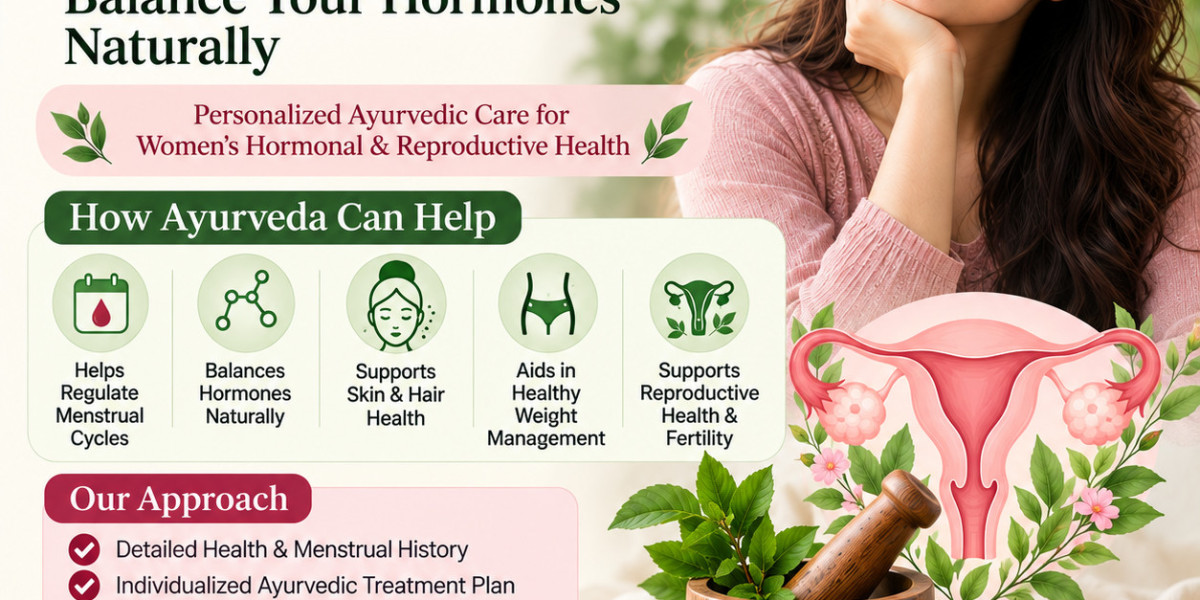
Polycystic ovary syndrome (PCOS), commonly called PCOD in everyday conversations, is a complex condition that can affect menstrual cycles, ovulation, metabolism, skin, hair, and fertility. Because symptoms differ considerably from one woman to another, PCOS management cannot be reduced to a single medicine, diet, or treatment.
Many women exploring ayurvedic treatment for PCOD are interested in approaches that focus on diet, lifestyle, stress management, and reproductive wellbeing. Ayurveda may be considered as a complementary approach, but it is important to understand what is medically established, what remains under research, and when professional evaluation is necessary.
PCOD Is More Than an Ovarian Problem
The name “polycystic ovary syndrome” can create the impression that the condition is simply about cysts in the ovaries. In reality, PCOS involves a combination of reproductive and metabolic features.
Some women experience:
- Irregular or unpredictable periods
- Infrequent ovulation
- Acne
- Excess facial or body hair
- Scalp hair thinning
- Weight gain or difficulty managing weight
- Insulin resistance
- Difficulty conceiving
Other women may have relatively few visible symptoms.
The condition also varies across age and life stages. Symptoms can change over time, which is why treatment should be reviewed periodically.
Why Are Periods Irregular in PCOS?
Ovulation is an important part of the menstrual cycle. In PCOS, hormonal changes can interfere with regular ovulation.
When ovulation does not occur consistently, menstrual cycles may become longer or unpredictable.
However, irregular periods do not automatically indicate PCOS.
Thyroid disorders, elevated prolactin, pregnancy, significant changes in body weight, stress, certain medications, and other medical conditions can also affect menstrual cycles.
For this reason, a diagnosis should be based on appropriate clinical assessment rather than assuming that every irregular period is caused by PCOS.
How Is PCOS Identified?
PCOS is generally diagnosed using a combination of medical history, symptoms, examination, and appropriate investigations.
Depending on the individual, evaluation may include:
- Menstrual history
- Signs of androgen excess
- Blood tests
- Assessment of glucose metabolism
- Lipid evaluation
- Thyroid testing
- Other hormone tests when indicated
- Pelvic ultrasound in selected cases
Other conditions that can produce similar symptoms may need to be excluded.
An ultrasound showing multiple follicles does not automatically mean that someone has PCOS.
PCOS and Insulin Resistance
Insulin is a hormone that helps regulate blood glucose.
Some people with PCOS have insulin resistance, meaning the body's tissues respond less effectively to insulin. The body may compensate by producing more insulin.
Higher insulin levels can interact with ovarian hormone pathways and may contribute to androgen-related symptoms in some women.
However, insulin resistance is not present to the same degree in every person with PCOS.
This is why metabolic evaluation can be important, particularly when other risk factors are present.
Why Lifestyle Matters in PCOS
Lifestyle management is an important part of PCOS care.
Evidence-based international guidelines recommend healthy lifestyle practices for women with PCOS. Benefits may include improvements in metabolic health, physical fitness, quality of life, and body composition.
Importantly, healthy lifestyle habits can be beneficial even when weight loss is not achieved.
A sustainable approach may involve:
- Regular physical activity
- Balanced nutrition
- Adequate sleep
- Stress management
- Avoidance of smoking
- Limiting alcohol
- Maintaining appropriate weight where relevant
The focus should be on long-term health rather than extreme short-term dieting.
Finding a Sustainable PCOS Diet
There is no single diet that is considered universally best for everyone with PCOS.
Some people may benefit from improving the quality of carbohydrates they consume, increasing fibre, choosing minimally processed foods, and ensuring sufficient protein.
A balanced eating pattern can include:
- Vegetables
- Fruits
- Whole grains
- Pulses
- Beans
- Nuts
- Seeds
- Dairy or suitable alternatives
- Other appropriate protein sources
The right dietary plan depends on nutritional needs, cultural food preferences, activity level, medical conditions, and personal goals.
Very restrictive diets may be difficult to maintain and can sometimes lead to inadequate nutrient intake.
Exercise Does Not Have to Mean a Gym
Physical activity can support metabolic and cardiovascular health and may contribute to improved quality of life.
Women with PCOS can choose activities that are realistic for their circumstances.
Examples include:
- Walking
- Yoga
- Strength training
- Cycling
- Swimming
- Home-based workouts
- Stretching and mobility exercises
A consistent routine is often more realistic than an intense programme followed for only a few weeks.
People with medical conditions should choose exercise according to their individual health status.
Sleep and Stress Management
PCOS can be associated with emotional and psychological challenges.
Concerns about weight, acne, unwanted hair growth, fertility, or irregular periods can contribute to stress and reduced self-confidence.
Sleep problems may also affect daily energy and overall wellbeing.
Stress-management techniques such as meditation, breathing exercises, yoga, counselling, and relaxation practices may be useful.
These approaches should not be described as direct cures for PCOS. Instead, they can form part of a comprehensive lifestyle plan.
Where Ayurveda May Fit Into PCOS Care
People searching for ayurvedic treatment for PCOD in Delhi may be interested in Ayurveda's traditional focus on individualized lifestyle and health practices.
Depending on the person, Ayurvedic care may include discussions about:
- Food habits
- Daily routines
- Physical activity
- Sleep
- Stress
- Digestive health
- Menstrual health
- Reproductive wellbeing
- Selected herbal preparations
An individualized approach may be preferable to applying the same protocol to every person with PCOS.
At the same time, evidence for specific Ayurvedic treatments in PCOS remains variable. Some interventions have been investigated in clinical research, but larger, better-designed studies are still needed for many therapies.
Therefore, Ayurveda should be considered complementary rather than presented as a guaranteed cure.
What Is the Best Treatment for PCOD in Ayurveda?
There is no single treatment that can scientifically be described as the best treatment for PCOD in Ayurveda for every patient.
PCOS is heterogeneous. One woman may primarily struggle with irregular periods, while another may have insulin resistance, acne, excess hair growth, or infertility.
Treatment therefore needs to reflect the individual's specific problems.
A responsible approach should begin with an assessment of symptoms and medical history before considering any herbal or traditional therapy.
The goal should be safe, individualized care rather than a universal treatment package.
Herbal Medicines Require Professional Supervision
One common misconception is that all herbal medicines are inherently safe.
Herbal preparations can contain active compounds and may interact with prescription medicines. Their safety may also depend on dosage, preparation, quality, and the individual's health.
Additional caution is needed when a woman is:
- Trying to conceive
- Pregnant
- Breastfeeding
- Taking fertility medicines
- Taking thyroid medication
- Taking anticoagulants
- Living with liver or kidney disease
All supplements and herbal preparations should be disclosed to the treating healthcare professionals.
PCOS and Fertility
PCOS is one of the common causes of ovulatory infertility.
However, having PCOS does not mean that pregnancy is impossible.
Some women with PCOS conceive naturally, while others require treatment to support ovulation.
When pregnancy does not occur, fertility assessment should consider more than PCOS alone.
Depending on the situation, evaluation may include:
- Ovulation
- Age
- Ovarian factors
- Fallopian tube health
- Uterine health
- Semen analysis
- Duration of infertility
- Previous pregnancy history
Evaluating both partners can help identify factors that might otherwise be overlooked.
Can Natural Treatment Restore Fertility?
The phrase natural treatment for PCOD is often used broadly online.
Lifestyle measures can support overall health and may improve some PCOS-related metabolic and reproductive outcomes. However, natural approaches should not be presented as guaranteed fertility treatments.
For example, regular exercise and a balanced diet may support metabolic health, but they cannot correct every possible cause of infertility.
If a woman has blocked fallopian tubes, significant endometriosis, a uterine abnormality, or severe male-factor infertility, lifestyle changes alone cannot address those conditions.
This is why fertility evaluation is important when pregnancy is a goal.
PCOS Is Also a Long-Term Health Issue
Managing PCOS should not focus exclusively on menstruation or fertility.
Some women with PCOS have increased risks related to metabolic health, including abnormal glucose regulation and cardiovascular risk factors.
The level of risk differs between individuals.
Depending on personal circumstances, clinicians may recommend monitoring:
- Blood pressure
- Blood glucose
- Lipid profile
- Body weight or other measures of metabolic health
Long-term monitoring can be useful even when menstrual symptoms are under control.
Common Misconceptions About PCOS
PCOS means ovarian cysts must be present
Not necessarily. PCOS is a broader hormonal and metabolic syndrome, and diagnosis is not based solely on ovarian appearance.
Everyone with PCOS needs to lose weight
No. PCOS can occur in people across different body sizes. Healthy lifestyle habits are relevant regardless of weight.
Herbal treatment is automatically safer than conventional medicine
Not necessarily. Herbal products can have active effects and potential interactions.
PCOS always causes infertility
No. PCOS can interfere with ovulation, but many women with PCOS become pregnant.
One treatment works for everyone
PCOS has different clinical presentations. Management should therefore be individualized.
What Should You Look for in an Ayurvedic PCOS Practitioner?
Someone considering ayurvedic treatment for PCOD in Delhi can benefit from asking practical questions before beginning treatment.
A responsible practitioner should:
- Take a detailed medical history
- Ask about menstrual patterns
- Review previous investigations
- Ask about current medicines and supplements
- Understand whether pregnancy is a current goal
- Recognize when specialist medical evaluation is required
- Explain treatment limitations
- Avoid guarantees of pregnancy or permanent cure
- Consider potential interactions and safety issues
A practitioner should also be comfortable with coordinated care when conventional fertility or medical treatment is required.
When Is Medical Assessment Important?
Professional evaluation should be considered when periods are persistently irregular, absent, unusually heavy, or associated with significant symptoms.
Assessment is also important when there is:
- Difficulty conceiving
- Rapidly worsening acne or excess hair growth
- Significant unexplained weight change
- Symptoms suggesting thyroid disease
- Signs of abnormal blood glucose
- Severe pelvic pain
- Very prolonged menstrual gaps
- Repeated pregnancy loss
Seeking evaluation does not automatically mean medication or IVF will be required. It simply helps identify the underlying problem.
A Balanced Approach to PCOD Management
PCOS management is most effective when it addresses the individual's actual symptoms and health priorities.
For some women, the main goal may be menstrual regularity. For others, it may be fertility, metabolic health, acne, unwanted hair growth, or improving quality of life.
Ayurvedic approaches may be considered as complementary support, particularly around lifestyle, nutrition, stress management, and wellbeing. However, they should be used responsibly and with awareness of the available evidence.
The best treatment for PCOD in Ayurveda cannot be defined as one medicine or procedure that works for everyone. A more appropriate approach is individualized care supported by accurate diagnosis, healthy lifestyle practices, appropriate monitoring, and evidence-based treatment when required.
Conclusion
PCOD or PCOS is a complex condition involving reproductive, hormonal, metabolic, and sometimes psychological factors. Understanding the condition is the first step toward appropriate management.
For people researching ayurvedic treatment for PCOD, Ayurveda may offer complementary approaches involving lifestyle, nutrition, daily routines, stress management, and selected therapies. However, no single Ayurvedic treatment has been established as a universal cure for PCOS.
Those considering ayurvedic treatment for PCOD in Delhi should prioritize qualified care, proper assessment, transparency about evidence, and coordination with medical professionals when needed.
Rather than searching for a single “best” remedy, PCOS care is better approached as a long-term, individualized process that considers reproductive goals, metabolic health, symptoms, lifestyle, and personal circumstances.






