
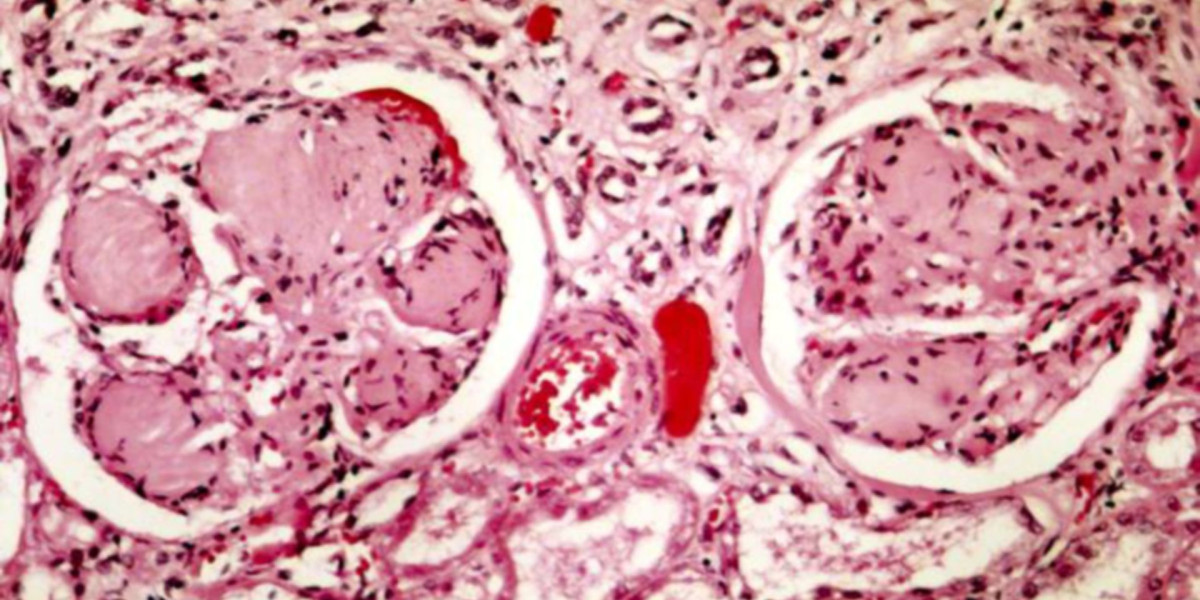
Understanding Minimal Change Kidney Disease
Minimal change kidney disease is a disorder that affects the kidney's filtering system. It is called "minimal change" because the glomeruli can appear relatively normal when examined with a standard microscope. More detailed examination, however, can identify changes affecting specialized cells called podocytes.
Minimal change disease can cause substantial protein loss through the urine. This may result in swelling, particularly around the eyes, legs, and ankles. Foamy urine and sudden weight gain caused by fluid retention can also occur.
Although minimal change disease can affect adults, it is a common cause of nephrotic syndrome in children.
What Causes Nephrotic Syndrome?
Nephrotic syndrome causes can vary because nephrotic syndrome describes a collection of symptoms and laboratory findings rather than one specific disease. It typically involves heavy proteinuria, low blood albumin levels, swelling, and increased blood lipid levels.
Several different kidney diseases can lead to nephrotic syndrome. These include minimal change disease, focal segmental glomerulosclerosis, membranous nephropathy, and certain genetic or systemic conditions.
The underlying cause can influence the diagnostic process and management approach. Healthcare professionals may use urine and blood tests, medical history, imaging, and sometimes a kidney biopsy to determine what is affecting the kidneys.
Why Rare Kidney Diseases Matter
Many kidney disorders are relatively uncommon, and some are considered rare kidney diseases. These conditions may be difficult to identify because their symptoms can overlap with more common kidney problems.
Rare protein-spilling kidney diseases can include conditions such as FSGS, C3 glomerulopathy, C1q nephropathy, APOL1-associated kidney disease, IgA nephropathy, membranous nephropathy, and minimal change disease.
For patients experiencing unexplained protein loss, swelling, or abnormal kidney test results, understanding the possible causes can help them have more productive conversations with their healthcare team.
Diagnosis and Ongoing Management
Diagnosing a kidney disorder generally requires more than identifying a single symptom. Healthcare professionals may evaluate urine protein levels, blood tests, kidney function, blood pressure, and other clinical findings. In selected cases, additional testing such as genetic testing or a kidney biopsy may be considered.
Treatment depends on the underlying condition and the individual's circumstances. For minimal change disease, for example, healthcare professionals may use therapies designed to reduce protein loss and address the disease process. Other causes of nephrotic syndrome may require different approaches.
Staying Informed About Kidney Health
Learning about kidney diseases can help patients and caregivers better understand medical terminology and recognize the importance of regular monitoring. Educational organizations can also provide resources about symptoms, diagnosis, research, and treatment developments.
Because rare kidney diseases can differ significantly from one another, information should be used as a starting point for discussion rather than as a substitute for professional medical evaluation. Anyone experiencing persistent swelling, foamy urine, changes in urination, or abnormal kidney test results should discuss these findings with a qualified healthcare professional.






