A spinal compression fracture can cause sudden or worsening back pain, reduced movement, and difficulty with normal activities. These fractures often happen when a weakened vertebra collapses under pressure. Osteoporosis, falls, accidents, and other conditions can increase the risk. For some patients, pain continues despite rest, medication, and other non-surgical care.
The kyphoplasty procedure in Mesquite may be an option for selected patients with painful vertebral compression fractures. This minimally invasive treatment uses a small balloon to help restore some vertebral height before bone cement is placed inside the damaged vertebra. The goal is to stabilize the fracture and reduce pain while limiting the need for traditional open surgery.
Kyphoplasty Procedure in Mesquite
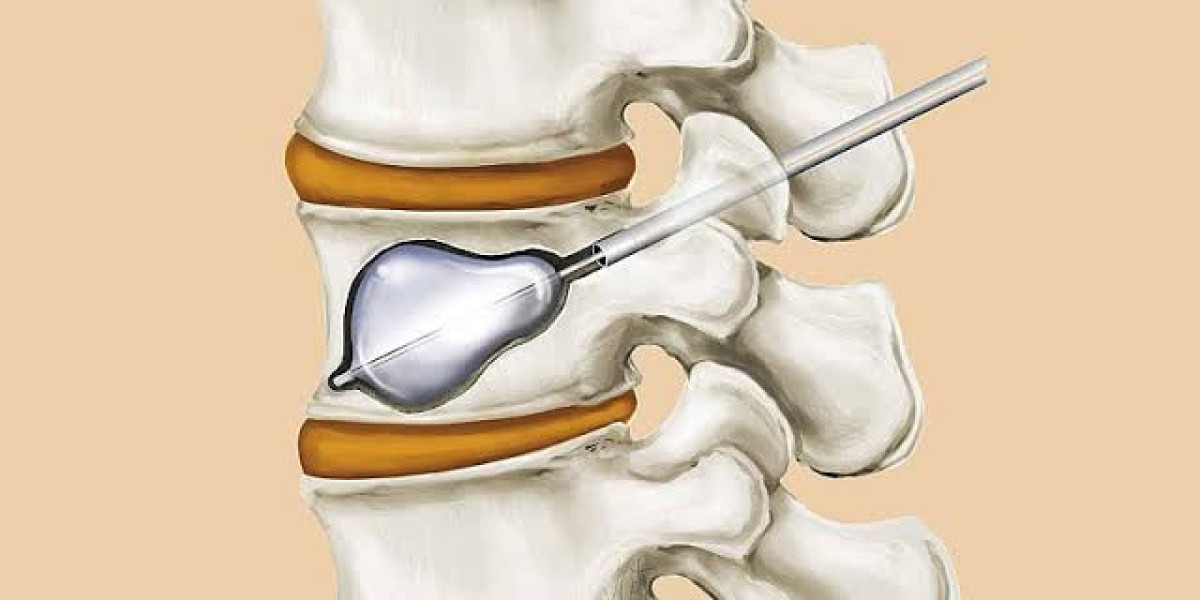
Kyphoplasty is a minimally invasive procedure used to treat certain painful vertebral compression fractures. A doctor makes a small opening in the skin and guides a narrow instrument into the affected vertebra. A small balloon is then inserted and carefully expanded inside the compressed bone.
After the balloon creates a space, it is removed and a special bone cement is placed into the vertebra. The cement hardens quickly and can help stabilize the fractured bone. Kyphoplasty is not appropriate for every spinal fracture, so a specialist must first determine the cause and severity of the fracture.
The procedure is generally performed through small skin openings rather than a large surgical incision. Because there is less disruption to surrounding tissue, recovery may be shorter than with some traditional spine operations. However, recovery time can still vary based on the patient’s age, overall health, fracture severity, and other medical conditions.
When is Kyphoplasty Used for Spinal Fractures?
Kyphoplasty for spinal fractures is most commonly considered when a vertebral compression fracture is causing significant pain or limiting normal activity. It may be discussed when conservative treatment has not provided enough improvement and imaging confirms a suitable fracture.
A doctor may also consider how recent the fracture is, how severe the vertebral collapse has become, and whether the pain matches the location of the fracture. The cause matters as well. Osteoporosis-related fractures are common, but spinal compression fractures can also occur after trauma or because of certain medical conditions.
What Causes Vertebral Compression Fractures?
A vertebral compression fracture occurs when one of the bones in the spine becomes weakened and partially collapses. Osteoporosis is one of the most common causes because it reduces bone strength and can make vertebrae more vulnerable to everyday stress.
A fall, car accident, sports injury, or other trauma can also fracture a vertebra. In some cases, a weakened vertebra may break after a relatively minor movement. Certain cancers and other conditions can weaken spinal bones as well, which is why finding the underlying cause is an important part of treatment.
What Symptoms Can a Compression Fracture Cause?
A compression fracture may cause sudden back pain, tenderness, or pain that becomes worse with standing, walking, bending, or changing position. Some people notice symptoms immediately after a fall or injury, while others develop pain without remembering a specific event.
Over time, repeated fractures can contribute to changes in posture and loss of height. Severe fractures may affect nearby nerves or the spinal canal, although this is not present in every case. New weakness, numbness, or problems controlling the bladder or bowel require prompt medical assessment.
How is a Vertebral Compression Fracture Diagnosed?
Diagnosis usually begins with a medical history and physical examination. The doctor will ask about when the pain started, previous injuries, bone health, and other symptoms. Imaging is often needed to confirm a fracture and determine its location.
X-rays may show changes in the shape or height of a vertebra. Depending on the situation, MRI or CT imaging may provide more information about the fracture and surrounding structures. These tests can also help identify other causes of back pain and determine if kyphoplasty is appropriate.
Is Kyphoplasty a Minimally Invasive Procedure?
Yes. Kyphoplasty is considered a minimally invasive spinal procedure because it is performed through small openings rather than a large incision. The doctor uses imaging guidance to place instruments accurately into the affected vertebra.
The smaller access points can reduce tissue disruption compared with open spinal surgery. Many patients are able to return home the same day or after a short period of observation, depending on their medical condition and the facility where the procedure is performed. Your doctor will explain what is appropriate for you.
What Happens During Kyphoplasty?
Before the procedure, the medical team reviews imaging and confirms the vertebra being treated. The patient receives anesthesia or sedation based on the procedure plan and medical needs. The skin is cleaned, and the doctor uses imaging to guide the instruments toward the fractured vertebra.
Once the balloon is placed, it is gently expanded to create space within the compressed bone. The balloon is then removed, and bone cement is carefully injected into the space. After the cement hardens, the instruments are removed and the small entry sites are covered.
What is Recovery Like After Kyphoplasty?
Many patients experience improvement in fracture-related pain soon after treatment, although recovery differs from person to person. Some may be able to stand or walk within a short time after the procedure, depending on their condition and the doctor’s instructions.
Activity may be limited for a period after treatment. Heavy lifting and strenuous movements may need to be avoided while the treated area heals. If osteoporosis contributed to the fracture, your doctor may also recommend treatment to improve bone strength and reduce the risk of additional fractures.
How Does Pain Management Kyphoplasty Help?
Pain management Kyphoplasty focuses on stabilizing a painful vertebral fracture rather than simply masking the symptoms. By treating the fractured vertebra directly, the procedure may reduce pain associated with movement and help some patients return to normal activities sooner.
Pain management does not end with the procedure. A complete plan may include medication, physical activity guidance, osteoporosis care, and follow-up. The right approach depends on the cause of the fracture, the patient’s symptoms, and overall health.
Is Kyphoplasty Better Than Traditional Spine Surgery?
Kyphoplasty and traditional spine surgery are different treatments designed for different problems. Kyphoplasty may be appropriate for certain vertebral compression fractures, while open or more extensive spine surgery may be needed when there is significant nerve compression, spinal instability, or another structural problem.
Because treatment depends on the specific fracture, there is no single procedure that is best for everyone. A specialist will review imaging, symptoms, medical history, and previous treatment before recommending an approach.
What Are the Benefits of Kyphoplasty?
Kyphoplasty can offer several potential benefits for carefully selected patients. It may stabilize a fractured vertebra, reduce fracture-related pain, and help improve mobility. Because the procedure uses small access points, it may also involve less tissue disruption than traditional open surgery.
The results are not identical for every patient. Some people experience substantial pain relief, while others may continue to have pain from another spinal condition. Setting realistic expectations and identifying the actual source of pain are important before treatment.
Find Best Spinal Fracture Treatment
People looking for spinal fracture treatment in Mesquite may have several options depending on the type of fracture and its cause. Treatment can range from medication and activity changes to physical therapy or minimally invasive procedures. Kyphoplasty in Mesquite may be considered for selected patients with painful vertebral compression fractures.
A specialist can review imaging and symptoms to determine if stabilizing the affected vertebra may be appropriate. Patients searching for a kyphoplasty specialist in Mesquite should look for a provider experienced in evaluating spinal compression fractures and minimally invasive treatment options.
When Should You Consider Kyphoplasty?
Kyphoplasty may be discussed when a confirmed vertebral compression fracture continues to cause significant pain despite appropriate conservative treatment. The decision should be based on imaging findings, symptom severity, the age of the fracture, and the patient’s overall health. It is important not to delay evaluation after a suspected spinal fracture.
Persistent or severe back pain after a fall or injury deserves medical attention, particularly in older adults or people with weakened bones. A pain clinic Kyphoplasty in Mesquite may provide an evaluation for patients whose fracture-related pain has not improved with conservative treatment. Discussing your symptoms and previous treatments can help the medical team understand your situation.
FAQs
How long does a kyphoplasty procedure take?
The procedure itself is often completed within a relatively short period, but the total time at the medical facility can be longer because of preparation, anesthesia, recovery, and monitoring. Your doctor can provide a more specific estimate based on your treatment plan.
Can kyphoplasty completely repair a collapsed vertebra?
Kyphoplasty can help stabilize the fractured vertebra and may restore some lost vertebral height in selected cases. The amount of correction varies, and the procedure is not intended to return every damaged vertebra to its original shape.
How soon can you walk after kyphoplasty?
Many patients can stand or walk soon after the procedure once they have recovered from anesthesia or sedation. The exact timing depends on the patient’s health, treatment setting, and doctor’s instructions.
Does kyphoplasty treat osteoporosis?
No. Kyphoplasty treats the fracture, not the underlying bone loss. If osteoporosis caused the fracture, additional treatment may be needed to improve bone strength and lower the chance of future fractures.
Is kyphoplasty considered spine surgery?
Kyphoplasty is a minimally invasive spinal procedure, but it is different from traditional open spine surgery. It uses small access points and imaging guidance to treat a fractured vertebra from inside the bone.
Conclusion
A painful spinal fracture can make simple movements difficult and may interfere with work, sleep, and daily activities. Getting the right diagnosis is the first step toward choosing an appropriate treatment. If you are experiencing persistent pain from a vertebral compression fracture, a professional evaluation can help determine if kyphoplasty procedure in Mesquite may be suitable. Patients searching for the best kyphoplasty doctor in Mesquite can discuss their symptoms, imaging results, and treatment options with an experienced spine and pain specialist.