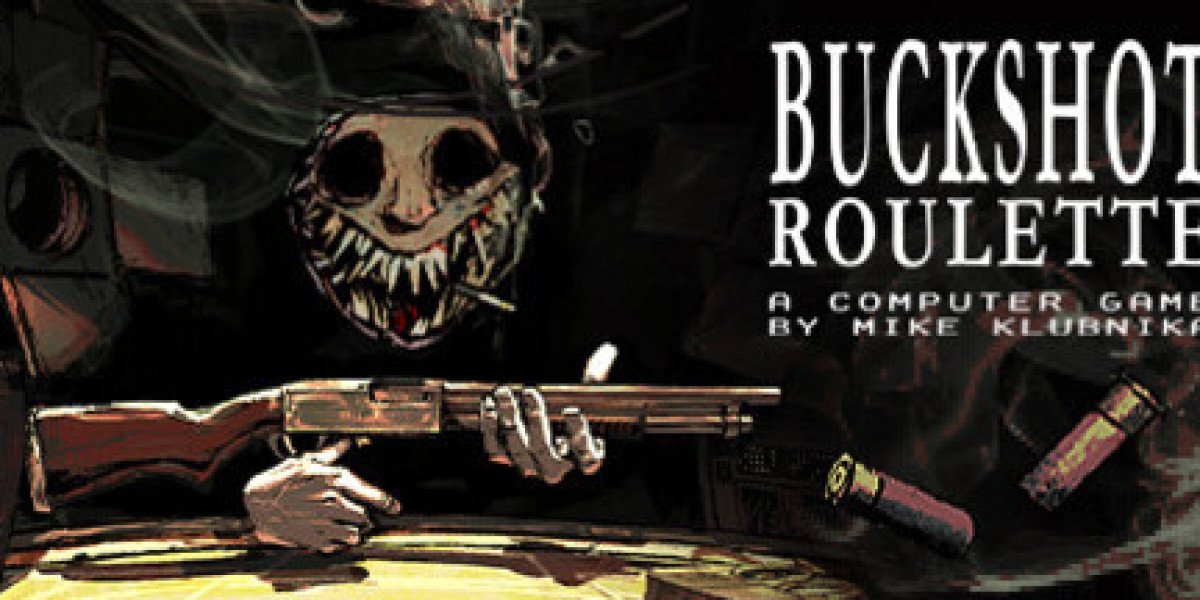
Some games stand out because they offer huge worlds, complex stories, or impressive graphics. Others succeed with a simple idea and a tense atmosphere. Buckshot Roulette belongs to the second group. It is a compact psychological game built around risk, uncertainty, and quick decisions. Although its rules are easy to understand, every round can feel surprisingly intense.
The best way to enjoy it is not to rush. Take time to understand the game’s rhythm, observe what is happening, and accept that luck is only one part of the experience.
Gameplay
At its core, Buckshot Roulette is a high-stakes turn-based challenge. Players face an opponent across a table and use a shotgun containing live and blank shells. The exact order is hidden, so each decision involves incomplete information.
On your turn, you may need to decide whether to target yourself or your opponent. A blank shell can change the situation completely, while a live shell can remove health and shift the balance of the match. The tension comes from never knowing whether a choice will be clever or disastrous.
As the game progresses, various items can appear. These tools may reveal information, change the gun’s condition, restore health, or create new tactical possibilities. Learning how each item works is important, but using it at the right moment matters even more.
The visual style is dark and minimal, which supports the uneasy mood. Sound effects also play an important role. The click of the weapon, the movement of the shells, and the quiet pauses between turns make even simple actions feel meaningful.
Tips for New Players
First, pay close attention to the shell count. Even when you do not know the exact order, knowing how many live and blank shells remain can help you estimate the risk.
Second, do not use every item immediately. Some tools are more valuable later, especially when your health is low or the remaining shells are easier to predict.
Third, observe patterns in your opponent’s behavior. Their choices may offer clues about their confidence, although you should avoid assuming that every action has a hidden meaning.
Finally, treat failure as part of the experience. Losing a round can teach you more about timing, probability, and item use. The game is designed to create suspense, so mistakes are natural.
Conclusion
Buckshot Roulette is an engaging example of how a small game can create strong emotions through simple rules. Its combination of chance, strategy, atmosphere, and short matches makes it easy to try while still offering plenty to think about.
Whether you play for a few minutes or complete several rounds, focus on the tension and decision-making rather than winning every time. That attitude makes the experience more enjoyable and helps each new game feel different.