
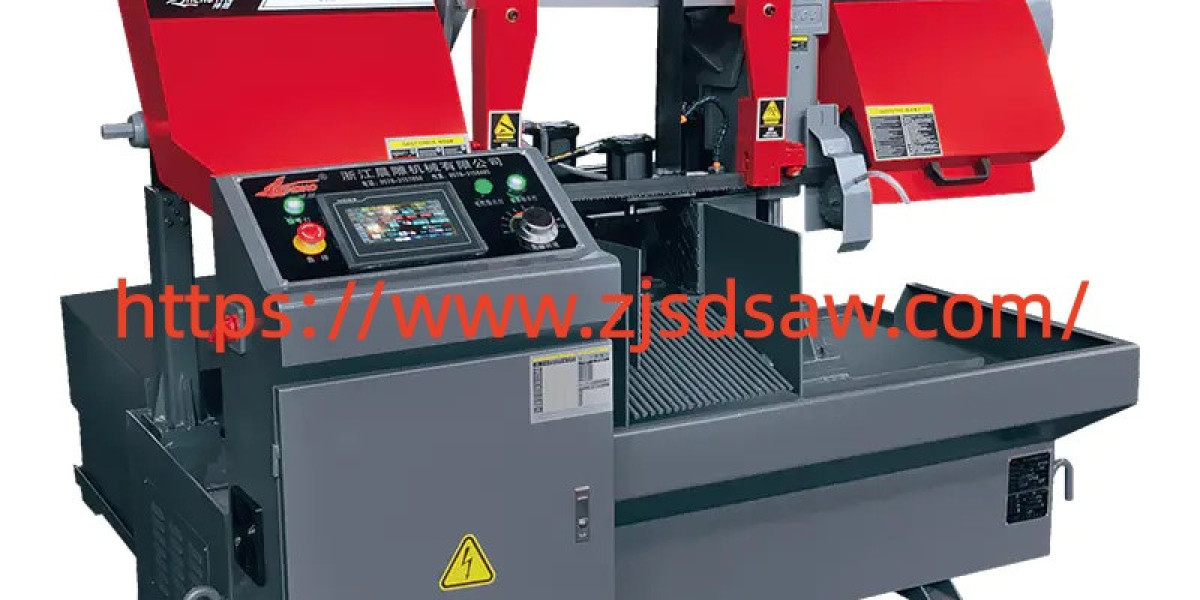
Horizontal Metal Cutting Band Saw Machine requires consistent daily attention to stay in reliable working order over extended periods. Proper habits help avoid sudden interruptions and support steady production flow in busy workshops.
Start each shift by removing chips and loose particles from all accessible surfaces. Accumulated debris can interfere with movement and create uneven contact points. Use a soft brush or compressed air to clear residual material from the table area and around the wheels. Follow this with a clean cloth to wipe residual coolant or oil films. Keeping surfaces free of buildup reduces the chance of material slipping during later cycles and helps maintain accurate alignment.
Next examine lubricant levels in the designated reservoirs. Low fluid can increase friction on rotating components and accelerate wear on bearings. Top up with the recommended grade according to the operator manual and wipe any excess that may have spilled. Apply a light coat to exposed rails and pivot points so that sliding motions remain free. This step takes only a few minutes yet contributes to quieter running and lower heat generation throughout the day.
Inspect the blade tension and guide assemblies before loading new stock. Correct tension keeps the blade tracking true while excessive or insufficient settings lead to premature edge dulling. Adjust the guides so they sit close to the work without binding. Look for signs of scoring or uneven contact on the guide faces and replace worn inserts promptly. These checks ensure the blade follows a consistent path and produces cleaner edges on successive pieces.
Verify coolant concentration and flow if the unit uses a fluid system. Proper mixture carries heat away from the cut zone and flushes fine particles clear of the kerf. Test the nozzle spray pattern and clear any partial blockages. Running with inadequate coolant raises the risk of discoloration on the workpiece and shortens blade life. A quick visual confirmation each morning prevents these issues from developing unnoticed.
Check drive belts and motor mounts for tightness and signs of cracking. Loose belts reduce power transfer and can cause speed fluctuations. Tighten fasteners to the specified torque and replace any belt that shows glazing or fraying. Listen for unusual noises during a short idle run. Early detection of vibration or rattling allows correction before larger components suffer damage.
At the close of the shift wipe down the entire exterior and empty the chip collection tray. Moisture left overnight can encourage surface oxidation on unprotected areas. A dry cloth followed by a light protective film on exposed steel parts offers simple protection. Cover the unit if the workshop remains unused for longer periods so dust does not settle into open mechanisms.
Operators of Chendiao equipment often incorporate these habits into standard shift routines. The same approach works across different workshop sizes and production volumes. Recording basic observations in a simple log helps identify gradual changes such as increasing vibration or rising fluid consumption. Addressing small shifts early keeps overall performance consistent.
Training new staff on these short procedures builds shared responsibility for equipment condition. Clear visual aids placed near the unit reinforce the sequence without requiring constant supervision. Over time the cumulative effect of daily attention appears in fewer unplanned stops and more predictable output quality.
Additional resources on equipment care appear at https://www.zjsdsaw.com/






