
Household waste accumulation is caused by everyday activities such as cooking, shopping, cleaning, renovating, and replacing obsolete items. Although recycling is helpful, it is generally more effective to reduce waste at source. There are a number of ways you can change your buying, using, storing and disposing habits, which will make your home cleaner and efficient.
To learn how to reduce waste at home, you need to investigate what is being thrown out. Once you understand the waste patterns, you can change your behavior in order to break these wasteful habits without too much disruption to your daily routine.
Begin With Smarter Shopping
Thinking before purchasing is probably the easiest way to avoid waste. The simplest way is to make a shopping list. Only buy what is on your shopping list, resisting the temptation to buy more than you need and shopping without a list. Avoid buying anything with excessive packaging.
Buying reusable shopping bags and refillable containers and choosing well-made household items will reduce the waste entering your home. Choosing long-lasting products will help you reduce replacement waste and may save money in the long run.
Cut Down on Food Waste
Food waste is probably the biggest waste contributor in most households. It can be avoided by meal planning for your grocery shopping trips and checking your refrigerator and pantry regularly. Save ingredients that you know will spoil if you don’t use them.
Leftovers can also be used in other meals. Certain types of foods can be kept longer by food storage practices. Composting is another way to handle some types of food waste. Food scraps can be turned into an amendment for your garden and be more beneficial compared to being thrown out.
Re-Purposing and Repairing Household Items
Not everything that is old or damaged should be thrown away. Many products can be re-purposed or repaired.
For example, donating old clothes that can still be used as cleaning rags is good way to take unused products off the market and help people in the process.
Jars can become storage containers. Furniture can often be restored instead of disposed.
Effective Recycling
Correct separation of materials is the first step in effective recycling. Have dedicated spots for specific materials like paper and cardboard, glass and plastics, in your home that your recycling service collects.
Check your local regulations because the rules for recycling are most likely not the same for all municipalities. To help your efforts from becoming contaminated, keep recyclable materials sorted and clean.
Think About Waste in House Improvements
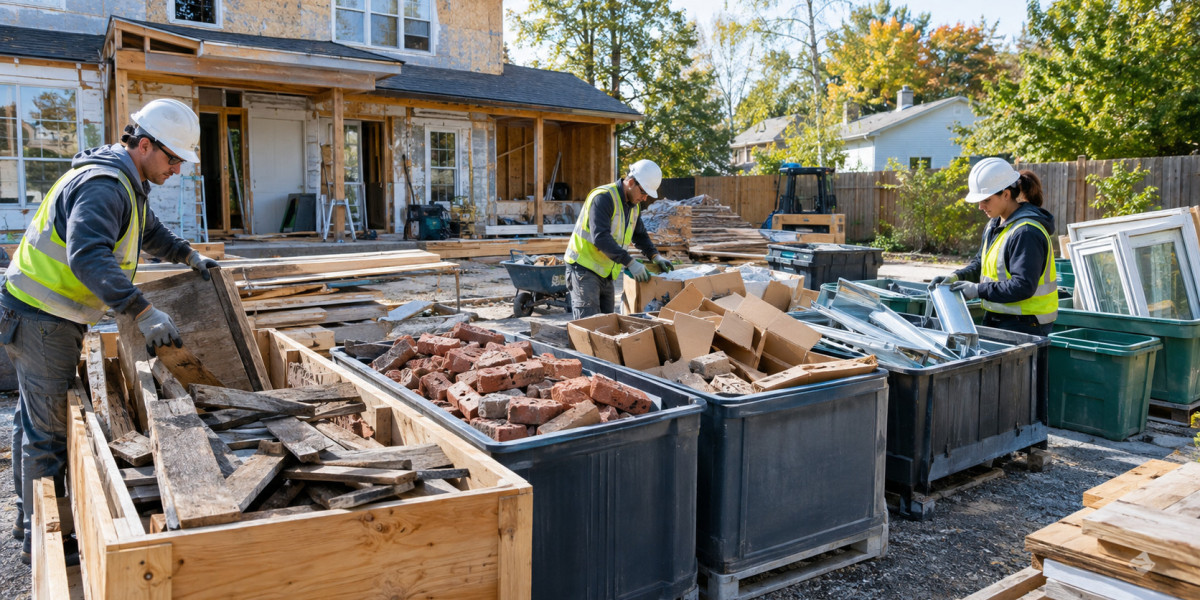
Construction, remodeling, and major repair projects can generate a significant amount of waste, from excess concrete and timber to packaging, drywall, metal, and other leftover materials. Careful planning and accurate quantity estimates can help contractors and homeowners avoid ordering more materials than a project requires.
When considering how to reduce waste at home, construction planning is an important area to focus on. Reusing suitable building materials, reclaiming fixtures, and repurposing leftover resources can reduce the amount of material sent to landfills. Materials such as bricks, timber, cabinets, doors, and certain metal components may have another practical use when properly inspected and handled.
Start Sustainable HabitsReducing waste can be simple if you commit to turning your activities into habits. Invest in a few timeless, sustainable products to make instant changes. Place a few targets around the house, such as separate waste bins, and refillable water bottles. Aim for waste reduction by replacing disposable products with reusable alternatives.
Don’t try to make too many changes at once. You’ll get started with just a few easy changes, and small changes can make a huge difference. Cutting back waste over the many months and years to come may seem like an impossibly big goal, but those small changes make a huge difference. When changed habits become the norm, you won’t feel bad for those changes.
Build a Responsible Home
This is true for reducing waste everywhere, not just in the home. There is no such thing as a zero-waste house. There are not perfect solutions to the problems waste causes, but small waste solutions become even better habits when combined with either a change in purchasing behavior or a better waste management system after the product’s life cycle is over. Simple changes can be made by avoiding purchasing unnecessary products, replacing products that have a functional use and becoming a master of the DIY art of fixing broken products, and by managing compostable waste in the garden.
Whether you’re making changes one small habit at a time or planning a big project, a sustainable focus will make a difference in the outcome. Home improvements with practical, sustainable design principles create spaces that are functional and comfortable, while encouraging restraint in resource consumption. Houseura supports the thoughtful consideration of practical needs and sustainability as pillars of construction and home improvement.






